Inside China’s Semiconductor Fab Expansion: A Race for Chip Independence
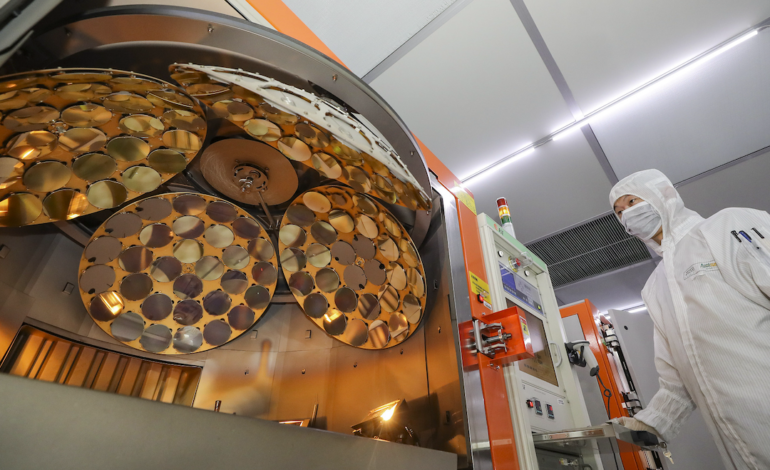
China’s semiconductor industry has been undergoing a rapid transformation in recent years, driven by the national goal of achieving chip self-sufficiency. With global supply chains facing disruptions and geopolitical tensions highlighting the strategic importance of semiconductors, China has invested heavily in building advanced fabrication plants, commonly known as fabs. These efforts aim not only to meet domestic demand but also to establish China as a global leader in semiconductor manufacturing.
At the heart of this push are massive fab projects in regions like Shanghai, Shenzhen, and Beijing. Companies such as SMIC (Semiconductor Manufacturing International Corporation) and Hua Hong Semiconductor are leading the charge. SMIC, China’s largest chipmaker, has focused on scaling production for 28-nanometer chips and beyond, catering to both consumer electronics and industrial applications. By expanding capacity, these fabs are designed to reduce China’s dependence on foreign suppliers, particularly for advanced logic and memory chips.
China’s fab expansion is not just about quantity, it is also about technological sophistication. Modern fabs are highly automated and require state-of-the-art cleanroom environments to produce chips at the nanometer scale. Chinese companies are investing in research and development to improve yield rates, minimize defects, and adopt cutting-edge manufacturing techniques. Collaboration with universities and global technology partners has accelerated innovation, enabling Chinese fabs to compete with long-established players in South Korea, Taiwan, and the United States.
Government policy has been a key enabler of China’s fab growth. Subsidies, tax incentives, and access to capital have lowered the barriers for domestic companies to construct multi-billion-dollar facilities. Regional governments often provide additional support, from land allocation to workforce training programs, ensuring that new fabs can operate efficiently from day one. This strategic alignment between government and industry underlines China’s determination to secure chip sovereignty.
Another important aspect of China’s fab expansion is the supply chain ecosystem. Semiconductor production relies on a vast network of suppliers, including chemical vendors, photolithography equipment manufacturers, and wafer providers. By nurturing domestic capabilities across this supply chain, China aims to mitigate the risk of external disruptions, strengthen resilience, and reduce reliance on imports.
The global impact of China’s fab expansion is already evident. As Chinese fabs scale production and improve technological capabilities, international competitors are closely monitoring the market. This shift could influence pricing, technology standards, and the dynamics of supply and demand across the semiconductor industry.
In conclusion, China’s semiconductor fab expansion represents a strategic and multifaceted effort to achieve technological independence and global competitiveness. Through investment in advanced manufacturing, government support, and supply chain development, China is positioning itself as a major player in the global semiconductor landscape. The ongoing race for chip independence will not only reshape domestic industry but could also redefine the broader technology ecosystem worldwide.