iPhone Air eSIM debut marks a turning point for China telecom sector
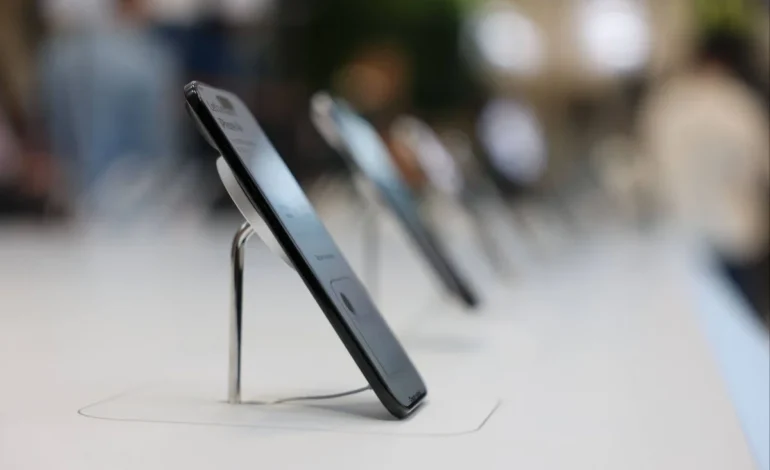
The introduction of the iPhone Air as China first smartphone sold with built in eSIM support has quickly become one of the most significant developments in the country telecom sector. For years Chinese consumers relied exclusively on physical SIM cards even as eSIM technology grew popular in overseas markets. The approval of eSIM commercial trials by regulators signals a meaningful shift in national telecom strategy and highlights how state owned carriers are preparing for a more digitally flexible future.
The phone was made available last week and sold out within minutes of its release. This immediate response reflects both the strong demand for new models and the growing interest in digital only connectivity. The move also sets a precedent for how global and domestic handset makers will approach mobile technology integration in the Chinese market in the years ahead.
Beijing Approval Sparks Competition Among the Big Three
The government decision to allow eSIM trials came with approval for China Unicom China Mobile and China Telecom to begin offering eSIM services for compatible devices. Although each carrier is moving at its own pace all three are now competing to demonstrate readiness for a technology that could eventually reshape customer habits data plans and device ecosystems.
Industry analysts say that regulators waited until the technology matured before allowing carriers to launch commercial trials. Their approval signals confidence that eSIM adoption can be integrated into existing network management systems without compromising security or user identification processes. With the trials now under way carriers are working to attract early adopters by promoting improved convenience and smoother onboarding experiences.
Domestic Smartphone Makers Move Quickly
The arrival of the iPhone Air triggered immediate responses from leading domestic smartphone manufacturers. Oppo launched the Find X9 Pro with full eSIM support a day before the iPhone release. The move underscores how quickly Chinese brands adapt to new market changes especially when a major global competitor introduces a technology shift. Social media posts from China Telecom also indicated that Huawei is preparing to release its own eSIM enabled model in the near future suggesting a broad wave of domestic adoption.
Local brands have strong incentives to integrate eSIM capability. The technology reduces the need for physical SIM trays supports sleeker device designs and allows users to switch carriers more easily. For smartphone makers this flexibility becomes a competitive feature that enhances user experience and aligns with global design trends.
How eSIM Changes the Consumer Experience
For consumers eSIM technology simplifies the process of switching carriers or managing multiple mobile numbers. Instead of visiting a store to acquire a physical SIM card users can activate service through digital profiles within the device settings. This streamlined approach is appealing to frequent travellers international students and business professionals who often juggle multiple networks.
The technology also benefits users who prefer minimalistic device designs. Without the need for a SIM tray manufacturers can optimise internal space for larger batteries advanced sensors or additional antennas. These improvements contribute to longer device life better signal performance and enhanced energy efficiency.
Implications for China Telecom Market Structure
The introduction of eSIM has wider implications for China telecom landscape. It shifts power dynamics among carriers by making customer retention more challenging. With physical constraints removed switching providers becomes easier and more convenient which may increase competition for pricing quality and value added services.
China Unicom for example has historically been the fastest to adopt new mobile technologies and is likely to position itself as an early leader in eSIM services. China Mobile with its massive user base may focus on nationwide coverage and integration with enterprise applications. China Telecom could distinguish itself through bundled packages involving cloud services and broadband integration. Analysts expect that each carrier will experiment with new strategies as eSIM adoption expands.
A Signal of Future Digital Standardisation
The strong early demand for the iPhone Air indicates that China is ready to move toward a more flexible and digitally integrated mobile environment. As more handset makers introduce eSIM ready devices the technology will gradually become a standard feature. The shift supports broader national goals related to digital transformation data efficiency and next generation connectivity.
Although still in the trial phase eSIM adoption could eventually influence device design telecom operations and user expectations across the entire industry. The launch marks the beginning of a more dynamic era for China mobile sector where innovation from both global and domestic firms will guide the next wave of competition.