Iran Thanks Chinese Public for Support After US Israeli Air Strikes Trigger Online Sympathy Wave
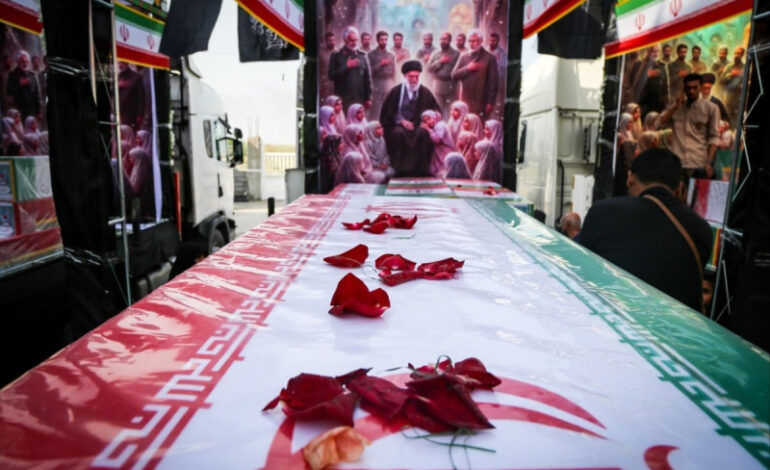
Iran has expressed gratitude to the Chinese public after a wave of sympathy and support emerged online following recent military strikes carried out by the United States and Israel. The Iranian embassy in Beijing released a public statement thanking Chinese citizens for what it described as compassionate support and solidarity with the Iranian people during a period of heightened regional tensions. The response reflects how geopolitical conflicts can quickly generate emotional reactions on social media platforms in China, where millions of users discussed the situation and shared messages condemning the attacks and expressing concern over civilian casualties.
The embassy’s message praised Chinese citizens for showing humanitarian concern and standing in solidarity with the Iranian population during the crisis. Officials noted that many online comments highlighted sympathy for civilians affected by the conflict and called for peace and stability in the region. While acknowledging the strong response from the public, Iranian representatives clarified that financial assistance from individuals or organizations in China was not currently required. According to the embassy, Iran’s existing resources remain sufficient for the moment, though additional updates may be provided if circumstances change.
Public discussion across Chinese social media platforms intensified after reports circulated describing casualties resulting from the strikes. Several posts gained significant attention as users debated the broader consequences of the conflict and voiced concern about civilian safety. Online conversations also reflected growing awareness in China about geopolitical tensions in the Middle East and their potential global implications. The surge in digital engagement demonstrated how international events increasingly shape public discourse within China’s online environment.
The Chinese government has also responded to the escalating situation by urging restraint and calling for diplomatic solutions to the conflict. Officials in Beijing have repeatedly emphasized that dialogue and negotiation remain the preferred path to resolving disputes in the region. Chinese diplomatic representatives have expressed concern about the possibility of a prolonged conflict and its impact on regional stability, international security and global economic conditions.
As part of its diplomatic response, China has indicated that it plans to send a special envoy to the Middle East to help encourage de escalation efforts. The envoy is expected to engage with multiple regional stakeholders and international partners in order to support dialogue aimed at reducing tensions. Chinese officials say their objective is to encourage peaceful negotiations while protecting the safety of civilians affected by the conflict.
China’s foreign ministry has also maintained contact with several governments involved in or affected by the crisis. Chinese diplomats have conducted discussions with counterparts across the Middle East and Europe as part of ongoing efforts to promote diplomatic engagement. These conversations have focused on reducing military escalation and encouraging parties involved in the conflict to pursue political solutions rather than continued military confrontation.
Meanwhile Chinese authorities have taken steps to ensure the safety of their nationals in the region. Officials confirmed that hundreds of Chinese citizens have been safely evacuated from Iran in recent days with the assistance of diplomatic missions and coordination with local authorities. The evacuation effort highlights the practical challenges governments face when geopolitical crises intensify and affect foreign nationals living or working in conflict areas.