
Iran’s First SCO Military Exercise Signals Deeper Alignment With China and Russia
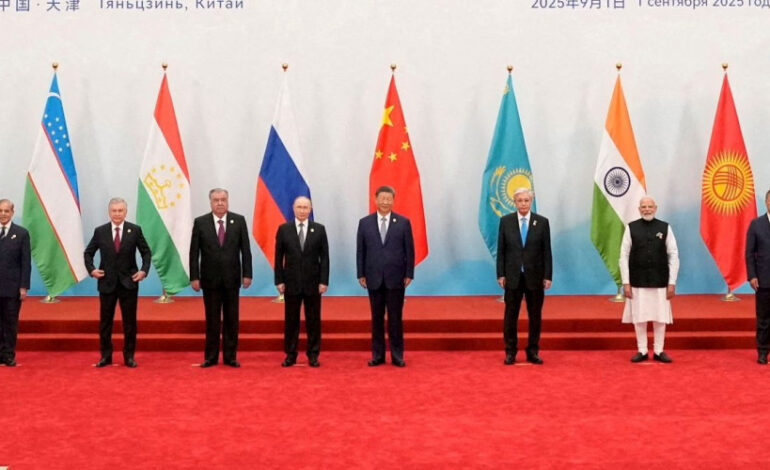
Iran has taken a significant step in its regional and global positioning by hosting its first ever military exercise under the framework of the Shanghai Cooperation Organization. The five day drill known as Sahand 2025 brought together forces from China, Russia, India, and several other member states, marking a new phase in Tehran’s engagement with the Eurasian security bloc. Beyond its military dimension, the exercise carried strong geopolitical symbolism, highlighting Iran’s growing integration into a multilateral order shaped largely by Beijing and Moscow.
A milestone in Iran’s SCO integration
Hosting an SCO military exercise on Iranian soil represents a notable milestone for Tehran. Since becoming a full member of the organization, Iran has sought to demonstrate that it is not merely a passive participant but an active contributor to regional security initiatives. By organizing Sahand 2025, Iran signaled its readiness to play a practical role within the SCO framework and to align itself more closely with the group’s collective security agenda.
The participation of major powers such as China and Russia gave the exercise added weight. Their presence reinforced the message that Iran is increasingly viewed as a legitimate and valuable partner within the organization, rather than a peripheral or controversial member.
More than a counter terrorism drill
While officially framed as a counter terrorism exercise, Sahand 2025 went far beyond tactical training. Joint maneuvers, coordination exercises, and command simulations served as visible demonstrations of interoperability among participating forces. This level of cooperation suggests growing trust and familiarity, especially between Iran and the SCO’s leading powers.
For Tehran, the exercise offered an opportunity to showcase its military capabilities and operational readiness. For China and Russia, it provided a chance to deepen security ties with a strategically located partner in the Middle East, one that sits at the crossroads of key energy routes and regional flashpoints.
China and Russia’s strategic calculus
Beijing and Moscow’s support for Iran’s deeper involvement reflects a broader recalibration of their regional strategies. Both countries see value in strengthening partnerships that operate outside Western led security frameworks. Iran’s inclusion helps reinforce the SCO as a credible alternative platform for cooperation in Eurasia and beyond.
Russia views Iran as a useful partner in balancing Western influence and managing regional security dynamics. China, meanwhile, sees Iran as important to its long term economic and energy interests, particularly within the context of transcontinental connectivity and trade.
China’s cautious but evolving approach
Despite closer cooperation, China remains careful in its relationship with Iran. Beijing has historically avoided unconditional alignment with Tehran, mindful of the risks associated with regional instability, disruptions to energy supplies, and escalation involving Israel or the United States. Iran’s nuclear program also remains a sensitive issue, as it carries the potential to complicate China’s broader diplomatic and economic priorities.
However, Sahand 2025 suggests that China is increasingly comfortable engaging Iran within multilateral settings. By embedding cooperation within the SCO, Beijing can deepen ties while maintaining a degree of strategic distance. This approach allows China to benefit from partnership without fully endorsing all aspects of Iran’s regional behavior.
A signal to the international community
For Iran, the exercise served as a statement aimed at both regional rivals and Western powers. It underscored Tehran’s ability to cultivate partnerships and avoid isolation despite sanctions and diplomatic pressure. Participation by multiple SCO members strengthened Iran’s claim to international relevance and legitimacy within non Western institutions.
The timing also matters. As global power dynamics shift, Iran is positioning itself within a network of states that emphasize sovereignty, multipolarity, and resistance to Western dominance. Sahand 2025 illustrated how these themes are being translated into concrete military cooperation.
Implications for regional security
Iran’s hosting of the SCO exercise highlights the gradual expansion of Eurasian security cooperation into the Middle East. This does not mean the SCO is becoming a military alliance, but it does suggest a growing willingness among its members to coordinate on security matters in sensitive regions. For observers, Sahand 2025 offers a glimpse into how alternative security architectures are taking shape in a changing global order.



