Israel to Bar Médecins Sans Frontières and Other Aid Groups From Gaza Under New Vetting Rules
Israel has announced that it will ban more than two dozen humanitarian organisations, including Médecins Sans Frontières, from operating in Gaza starting in 2026, citing failure to comply with new vetting and disclosure requirements. The decision signals a major shift in how Israel plans to regulate international aid activity in the territory following months of heightened scrutiny during the ongoing conflict.
The announcement was made on Tuesday by Israel’s Ministry of Diaspora Affairs, which said the affected organisations did not meet newly introduced standards requiring detailed transparency on staffing, funding sources and operational structures. Under the new framework, international aid groups must provide comprehensive information on employees, partners and financial flows in order to continue working in Gaza.
Israeli officials said the measures are intended to prevent humanitarian organisations from being infiltrated or exploited by militant groups. The ministry specifically accused Médecins Sans Frontières, also known as Doctors Without Borders, of failing to fully clarify the roles of certain staff members whom Israel alleges have had links to Hamas and other armed factions.
Israel has repeatedly claimed that some humanitarian infrastructure in Gaza has been used by militants for logistical or operational purposes, allegations that aid organisations strongly deny. Médecins Sans Frontières has previously said it operates under strict principles of neutrality and provides medical care based solely on need, without political affiliation.
The ban is scheduled to take effect on January 1, 2026, giving organisations limited time to either comply with the new vetting rules or wind down their operations. Officials did not specify whether extensions or exemptions would be considered, but said compliance would be mandatory for any group seeking to work in Gaza.
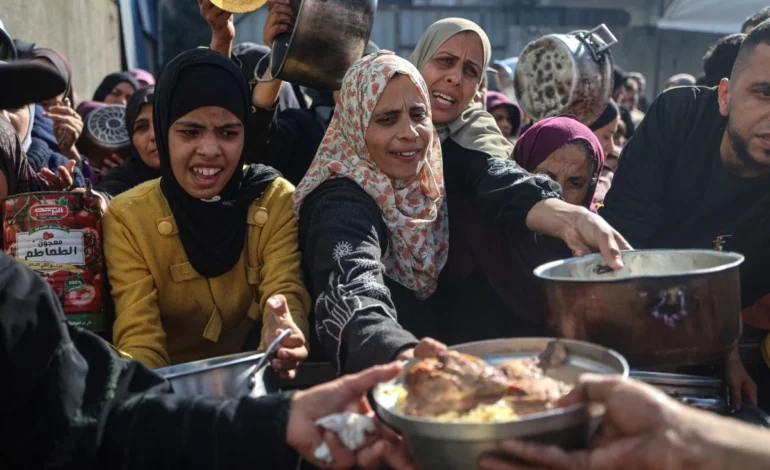
Aid agencies warn that the decision could have serious consequences for civilians in Gaza, where humanitarian needs remain acute after prolonged fighting and widespread destruction of infrastructure. International groups play a critical role in delivering emergency medical care, food assistance and basic services in an environment where local systems have been severely strained.
Human rights organisations have expressed concern that the new rules could set a precedent for restricting humanitarian access in conflict zones. Critics argue that demanding extensive staff and funding disclosures in an active war environment may compromise aid workers’ safety and undermine humanitarian neutrality.
Israel maintains that the measures are necessary for national security and says it will continue to allow humanitarian assistance that meets its regulatory standards. Officials insist the policy is not aimed at blocking aid but at ensuring that assistance does not indirectly benefit militant groups.
The move is likely to draw international attention, particularly given Médecins Sans Frontières’ long standing presence in conflict zones worldwide and its prominent role in providing emergency healthcare. Diplomatic pressure may increase as governments and global institutions assess the potential humanitarian impact.
As the January 2026 deadline approaches, aid organisations face difficult choices. Compliance could mean reshaping operations under tighter oversight, while withdrawal could leave critical gaps in assistance for Gaza’s civilian population at a time of ongoing instability.