Israeli Air Strikes Kill 25 in Gaza, Shaking Fragile Ceasefire
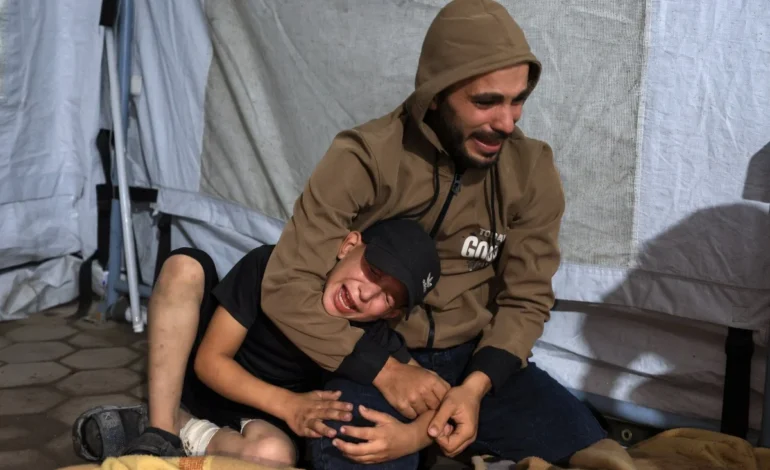
At least twenty five Palestinians were killed on Wednesday after a series of Israeli air strikes hit areas of Gaza that have remained under Hamas control since the fragile ceasefire first took effect in October. Local health officials confirmed the casualties, describing the attacks as some of the deadliest incidents since the truce began.
The Israeli military said the strikes were carried out in response to gunfire from Hamas fighters who, according to the Israeli account, opened fire on troops stationed inside the territory. The army said the attacks targeted Hamas positions across several parts of Gaza and were intended to stop what it described as a violation of the nearly six week old ceasefire agreement. No Israeli soldiers were injured in the exchange.
Residents reported hearing multiple explosions as the strikes hit residential blocks and open areas. Many described the fear and confusion that spread quickly through neighborhoods that had been relatively quiet during the pause in fighting. Families rushed to gather children, and ambulances navigated through damaged streets to reach the wounded.
Hamas condemned the Israeli strikes, calling them a serious and dangerous escalation. The group accused Israel of undermining the ceasefire and attempting to redraw the conditions of the agreement through military pressure. In a statement released shortly after the attacks, Hamas urged the United States to play a more active role in upholding the ceasefire. The group called on Washington to honour its commitments and apply immediate pressure on Israel to enforce the agreement and halt its military actions.
The ceasefire, brokered with significant international involvement, has been fragile from the start. While it led to a sharp reduction in violence, it has also been marked by sporadic clashes, disagreements over aid delivery and disputes regarding the movement of civilians. Each incident has intensified fears that the truce could collapse if either side pushes the boundaries too far.
Humanitarian agencies working in Gaza warned that Wednesday’s strikes could deepen the already severe crisis facing civilians. Many communities remain displaced, with limited access to clean water, medical supplies and basic necessities. Aid workers said that renewed violence will make it even harder to deliver assistance and could trigger another wave of displacement among families already struggling to survive.
Diplomatic efforts are now under renewed strain. Regional mediators fear that without strong international engagement, especially from the United States, efforts to maintain calm may fail. Several governments have expressed concern that further escalation could unravel months of negotiation and plunge the region back into wider conflict.
For the people living in Gaza, the fear is immediate and personal. The quiet that many hoped would last is once again overshadowed by uncertainty. As families bury the victims of the strikes and brace for what may come next, the promise of a stable ceasefire looks increasingly fragile.