Israeli Strike in Southern Lebanon Kills Hezbollah Member as Tensions Rise Near United Nations Peacekeepers
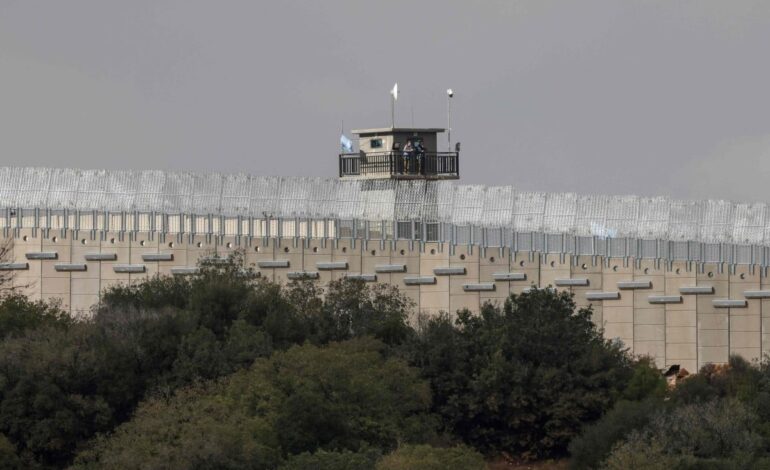
Tensions along the Lebanon Israel border intensified again after the Israeli military announced on Monday that it had carried out an air strike that killed a Hezbollah operative in southern Lebanon. The incident occurred on the same day Israeli forces mistakenly fired near a group of United Nations peacekeepers, raising fresh concerns about the fragile calm in the region.
According to a statement released by the Israel Defense Forces, the strike took place on Sunday evening in the Mansouri area of southern Lebanon. The military said the operation targeted and killed Muhammad Ali Shuweikh, whom it identified as a Hezbollah member active in the region. Israeli officials described him as the local representative for the group, claiming he was involved in coordinating activities for Hezbollah in the surrounding communities.
The targeted strike comes amid a series of cross border exchanges that have continued despite the existence of a ceasefire between Israel and Hezbollah. Both sides have accused each other of violating the terms of the agreement, and sporadic incidents have kept the border area on edge. Residents in northern Israel and southern Lebanon have reported frequent sounds of drones, artillery fire and military aircraft, contributing to heightened anxiety among local communities.
Lebanese media reported that Shuweikh was also a school principal in the region, a detail that has drawn attention to the increasingly blurred lines between civilian life and political or military affiliations in parts of southern Lebanon. Local officials said schools in the area were closed on Monday due to concerns about further strikes and the general security situation.
Compounding the tension, Israeli forces mistakenly fired near a patrol of United Nations peacekeepers earlier in the day. The United Nations Interim Force in Lebanon, also known as UNIFIL, confirmed that no peacekeepers were harmed but said the incident was concerning and required immediate clarification from both sides. UNIFIL urged all parties to exercise restraint and to avoid actions that could escalate the situation further.
Hezbollah has not yet issued an official statement regarding the killing of Shuweikh, but Lebanese political analysts expect the group to respond in some form. In previous similar incidents, Hezbollah has often signaled that it would retaliate at a time and place of its choosing, contributing to a cycle of tension along the border.
International observers have repeatedly warned that even isolated incidents in the region could trigger broader confrontations if not carefully managed. Diplomatic efforts by the United Nations and other international actors continue to focus on maintaining calm and preventing renewed conflict.
For now, the border remains tense as communities wait to see how Hezbollah will respond and whether the latest incidents will prompt further military activity from either side.