Italy to Hold Talks With Pirelli and Investors Over Chinese Ownership Dispute
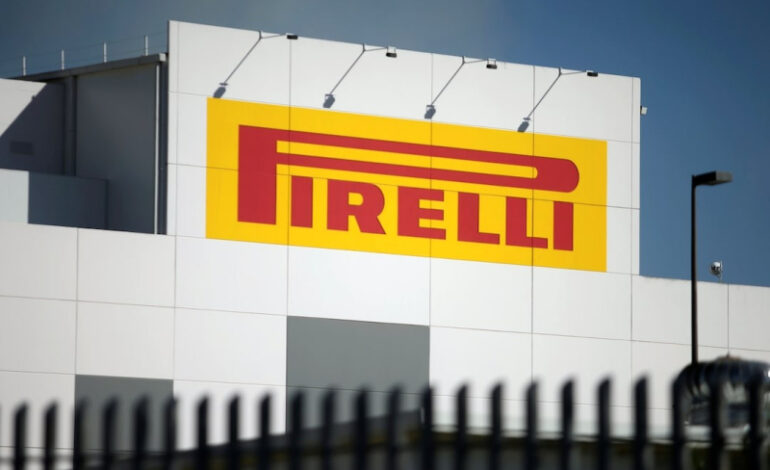
Italian government officials are preparing to meet with representatives from tyre manufacturer Pirelli and its key investors as tensions grow over the influence of Chinese ownership in the company. The discussions are expected to focus on the role of Sinochem, a Chinese state owned enterprise that currently holds the largest stake in the Italian group. The meeting reflects increasing scrutiny across Europe of strategic industrial assets with foreign ownership links, particularly as geopolitical tensions and new regulatory frameworks reshape global supply chains and corporate governance.
Pirelli’s shareholder structure has become the center of a dispute involving its two largest investors. Sinochem controls roughly thirty four percent of the company while Camfin, the investment vehicle linked to Pirelli executive vice president Marco Tronchetti Provera, owns more than twenty five percent. The disagreement has intensified as Pirelli explores expansion opportunities in international markets, particularly in the United States where policymakers are introducing new restrictions related to Chinese technology and ownership within sensitive sectors.
Executives and shareholders have expressed concern that the current ownership structure could complicate Pirelli’s strategic growth plans in the American market. The United States has introduced policies aimed at limiting the presence of Chinese technologies and investors in sectors connected to critical infrastructure and advanced manufacturing. Industry observers say these rules could affect companies with strong Chinese shareholder influence even when those businesses are headquartered in Europe. As a result discussions are underway to determine whether adjustments to Pirelli’s governance structure might help reduce potential regulatory risks.
The Italian government is evaluating possible measures under its national security legislation designed to protect assets considered strategically important to the country. These powers allow authorities to intervene in corporate governance when foreign ownership is believed to pose potential economic or security concerns. Among the options reportedly being examined are transferring Sinochem’s shares into a blind trust or temporarily limiting the voting rights associated with the stake while negotiations continue between the shareholders.
Sources familiar with the situation indicate that Sinochem may be open to a temporary arrangement that allows the company to maintain its investment while accepting certain restrictions on governance powers. Such an approach could help ease regulatory concerns without forcing an immediate change in ownership. At the same time discussions have also included the possibility of issuing financial instruments linked to Pirelli shares that could allow the Chinese group to gradually reduce its holding while preserving long term strategic interests.
The situation reflects the broader shift in global economic policy as governments increasingly examine foreign investment in sectors connected to advanced manufacturing and automotive technologies. Companies operating across international markets must now navigate evolving regulatory frameworks as geopolitical tensions influence investment decisions. For Pirelli the outcome of the ongoing discussions could determine how the company balances its global shareholder base while maintaining access to key markets.
A decision from the Italian government regarding Pirelli’s governance structure is expected in the coming weeks as consultations with investors continue. Officials from the office of Prime Minister Giorgia Meloni are reportedly involved in the discussions as authorities consider how to manage the dispute while protecting Italy’s industrial interests. The outcome may also serve as an example of how European governments handle similar ownership disputes involving strategic companies and foreign state backed investors.