Japan Protests After Chinese Military Jet Locks Radar on Its Fighters as Regional Tensions Rise
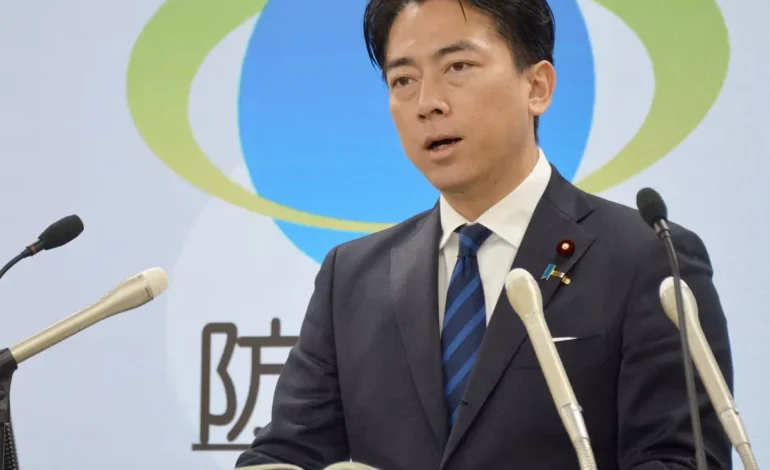
Japan has issued a sharp diplomatic protest after Chinese military aircraft locked radar on its fighter jets during routine operations near Okinawa. The action immediately set off concern in Tokyo, where officials rejected Beijing’s accusation that Japan had interfered with Chinese activities and stressed that Japanese pilots maintained full compliance with safety protocols. Chief Cabinet Secretary Minoru Kihara briefed reporters and firmly countered China’s claim, stating that Japanese Self Defense Force pilots kept a safe distance throughout the mission. He said China’s accusation that Japan obstructed its aircraft was untrue and that Tokyo would continue to act responsibly while defending its airspace and surrounding regions. The tense exchange came just a day after Japan and Australia jointly urged calm. Their statement reflected worry that military encounters in the region are becoming increasingly risky especially as relations between Japan and China remain strained following remarks by Tokyo’s leadership on Taiwan. Defense Minister Shinjiro Koizumi said Japan lodged a formal protest describing the radar lock as extremely regrettable and dangerous. He explained that locking radar onto another country’s aircraft signals a readiness to target and goes beyond what is required for safe navigation. Koizumi added that Japan demanded strict preventive measures from China to avoid repeat incidents. Japan’s Defense Ministry said a Chinese J15 fighter jet operating from the aircraft carrier Liaoning intermittently locked radar onto Japanese F15 jets twice on Saturday. The first lock lasted around three minutes in the late afternoon while the second continued for nearly thirty minutes in the evening. Officials did not confirm whether the same Chinese jet was involved in both events but the duration of the evening radar lock raised particular concern. Japanese fighter jets had been scrambled to monitor Chinese aircraft engaged in takeoff and landing drills in the Pacific which is a standard part of Japan’s air defense responsibilities. According to local media the Japanese pilots kept a safe distance and avoided any movements that could be interpreted as provocative. There was no breach of Japanese airspace and no injury or equipment damage was reported. The incident adds another layer of strain to relations between Asia’s two largest economies already unsettled by political disagreements and military activity around Taiwan and the East China Sea. Analysts say radar locking is one of the most sensitive actions short of direct confrontation since it indicates that targeting systems are active. While both sides avoided escalation the episode highlights how quickly ordinary surveillance operations can turn tense when mistrust runs high. Japan has repeatedly urged China to improve communication channels and exercise greater caution in contested or sensitive airspace. Tokyo continues to emphasize stability in the region and has strengthened security cooperation with partners like Australia and the United States. Yet events like this underline how fragile the environment remains especially as military capabilities expand and political disputes deepen. For now Japan is seeking assurances that the incident will not be repeated though it remains unclear whether Beijing will respond to the protest. As both nations continue military operations in close proximity the risk of miscalculation lingers making diplomatic management even more crucial in the weeks ahead.