Jerry Shang questions Hong Kong return as Bublik reflects on tougher modern tour
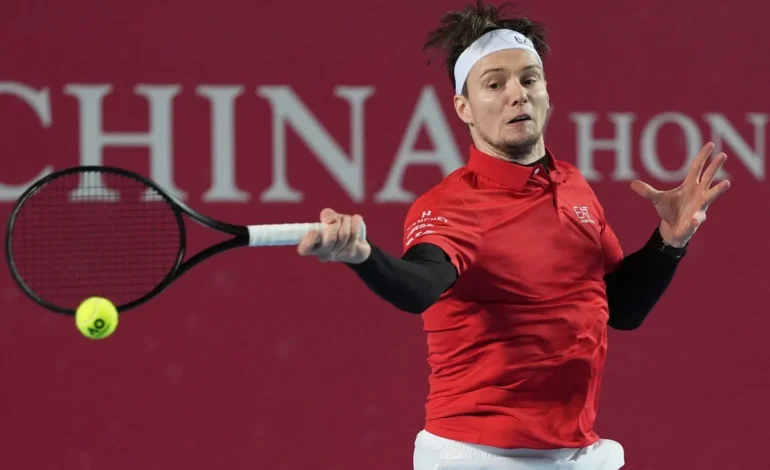
Rising Chinese tennis player Jerry Shang Juncheng has cast doubt over a future return to the Hong Kong Tennis Open after his quarter final defeat, as his opponent Alexander Bublik reflected on how the professional tour has become far less forgiving than in the past.
Bublik, representing Kazakhstan, overcame the 18 year old Shang in straight sets at the Bank of China Hong Kong Tennis Open on Friday, winning 6 1, 7 6 in one hour and 25 minutes. The world number ranked outside the top 400 pushed Bublik hard in the second set, forcing a tiebreak and drawing applause from the crowd for his resilience and shot making.
Despite the scoreline, the match highlighted the narrowing gap between established tour players and emerging talent. Shang, who entered the tournament as a wildcard, struggled early against Bublik’s power and variety but grew in confidence as the contest progressed, unsettling the higher ranked player with aggressive returns and improved court coverage.
After the match, Bublik spoke candidly about how the tour has changed in recent years. He said he missed what he described as the easier matches from five years ago, noting that even players ranked far below the top tier are now capable of pushing elite competitors. According to Bublik, the depth of talent has increased significantly, making it harder to conserve energy across tournaments.
The Kazakh player acknowledged that Shang’s fightback in the second set tested his focus. He said maintaining composure in such matches has become essential, as younger players arrive on tour with fewer inhibitions and greater physical conditioning.
For Shang, the loss marked the end of a promising run in Hong Kong but also raised questions about his future schedule. He suggested that a return to the tournament is uncertain, pointing to the demands of the international circuit and the need to prioritise ranking points and development opportunities elsewhere.
Shang’s appearance in Hong Kong was closely watched by fans eager to see China’s next generation of male tennis players. Although his ranking remains low due to limited tour exposure, his performance against an experienced opponent offered signs of progress and potential.
Tournament officials noted strong local interest in Shang’s matches, reflecting growing enthusiasm for tennis across the region. His willingness to take on higher ranked opponents and engage with the crowd added to the event’s atmosphere, even as he exited before the semi finals.
Bublik’s victory secured him a place in the semi finals, where he is set to face American player Marcos Giron. The match is expected to be a contrast in styles, with Bublik’s unpredictability tested against Giron’s consistency and baseline discipline.
As the Hong Kong Tennis Open moves into its final stages, the quarter final served as a reminder of the evolving nature of professional tennis. Established players can no longer rely on ranking gaps for comfortable wins, while younger competitors are gaining confidence and closing the distance.
For Shang, the experience may prove more valuable than the result. Competing against seasoned professionals under tournament pressure offers lessons that cannot be replicated on lower circuits. Whether or not he returns to Hong Kong soon, his performance suggested that his presence on bigger stages may become more frequent in the years ahead.