Junta Leader Declared Winner of Guinea’s First Presidential Vote Since Coup
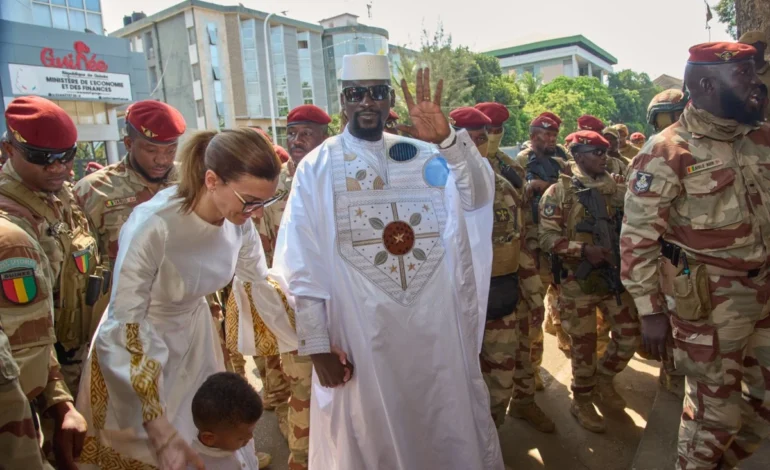
Guinea’s military leader General Mamady Doumbouya has been declared the winner of the country’s presidential election, according to partial results released late on Tuesday, marking the first national vote since the 2021 coup that brought him to power.
The General Directorate of Elections said Doumbouya had secured 86.72 per cent of ballots counted so far from the weekend vote. While full results have yet to be released, analysts had widely expected a decisive victory for the junta leader, citing a weakened and fragmented opposition after years of political repression.
The election was held on Sunday and was presented by authorities as a milestone in Guinea’s transition back to constitutional rule. However, critics argue that the process was designed primarily to legitimise Doumbouya’s continued hold on power rather than offer voters a genuine choice.
Doumbouya seized power in September 2021 after overthrowing former president Alpha Condé, ending Condé’s decade long rule. At the time, the coup was welcomed by some Guineans frustrated by economic hardship and political instability, but hopes for an inclusive transition soon faded, according to opposition groups and civil society organisations.
Over the past four years, the junta has steadily tightened its grip on the political landscape. More than 50 political parties were dissolved, and several prominent opposition figures were barred from running in the election on what authorities described as technical grounds. Others went into exile after facing arrests, legal pressure or restrictions on political activity.
As a result, Doumbouya faced little meaningful competition from the eight other candidates on the ballot. None of them are considered major national figures, and none mounted a serious challenge to the military leader’s dominance. Opposition groups say the absence of credible rivals undermined the credibility of the vote from the outset.
International observers were limited in number, and no major election monitoring mission issued an immediate assessment. Local rights groups reported restrictions on campaigning and freedom of expression in the lead up to the vote, though election day itself passed without widespread reports of violence.
The junta has defended its actions, arguing that dissolving parties and enforcing stricter political rules was necessary to restore order and stability after years of turmoil. Officials have said the election reflects the will of the people and demonstrates popular support for Doumbouya’s leadership and reform agenda.
Guinea’s transition process has been closely watched across West Africa, a region that has seen a wave of military takeovers in recent years. The outcome of the election is likely to influence how regional bodies and international partners engage with Conakry going forward.
For many Guineans, the vote marks the end of a long transition but raises questions about the future of democracy in the country. While Doumbouya’s supporters see his victory as confirmation of public trust, critics warn that political space remains tightly controlled and dissent continues to be suppressed.
As final results are awaited, attention will turn to whether the new government moves to ease restrictions on political life or continues the hard line approach that has defined the post coup era. The direction Guinea takes in the coming months will shape both domestic stability and its standing on the international stage.