Kenyan Inquiry Exposes Longstanding Sexual Misconduct Allegations at UK Military Base
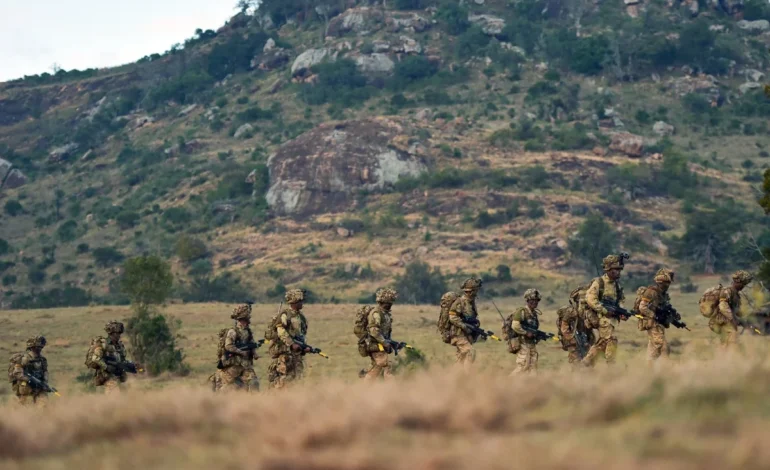
A Kenyan parliamentary inquiry has sharply criticized what it describes as a deeply troubling pattern of sexual misconduct linked to a long standing British Army base in the country. The findings highlight allegations of rape, assault and the abandonment of children fathered by soldiers stationed at the British Army Training Unit Kenya, known as BATUK. Lawmakers say the misconduct has persisted for decades with little accountability.
The report, released by Kenya’s Defence Committee, comes at a time of heightened public scrutiny. The presence of BATUK has been a sensitive issue since Kenya gained independence in 1963. The base, located near the town of Nanyuki, about two hundred kilometers north of Nairobi, has hosted rotating British military personnel for training exercises. For many years, local communities have voiced concerns about misconduct involving foreign soldiers, but formal investigations have rarely moved forward or resulted in serious consequences.
According to the inquiry, the accounts collected from residents and local authorities reveal a disturbing pattern. Some women reported sexual assaults by soldiers, while others shared stories of relationships that ended abruptly once troops completed their training cycles. In several cases, Kenyan women said they were left to raise children without any support from the fathers, creating long-term emotional and financial hardships. Lawmakers said these testimonies paint a picture of systemic failures rather than isolated incidents.
The committee stressed that for decades, allegations involving BATUK personnel were not taken seriously enough by either Kenyan or British authorities. Investigations were often delayed or inconclusive, and in some instances, local law enforcement said they lacked cooperation from military officials. The report notes that limited transparency made it difficult to pursue justice and allowed a culture of impunity to develop.
The inquiry’s findings were also shaped by renewed attention on a high profile murder case involving a young Kenyan woman whose death has been linked to the wider debate about oversight at the base. Although the case remains under investigation it has fueled calls from the public and lawmakers for a thorough review of military conduct and accountability procedures.
Members of the Defence Committee have urged both governments to take immediate steps to address the issue. They recommended clearer protocols for reporting misconduct, stronger cooperation between Kenyan police and British military authorities and compensation or support for families affected by past abuses. The lawmakers emphasized that the relationship between Kenya and the United Kingdom should be based on mutual respect and responsibility, which includes ensuring that foreign troops do not exploit local communities.
British officials have previously stated that they take all allegations of misconduct seriously and that personnel are expected to adhere to strict standards. They say they are committed to working with Kenyan authorities to review the report and strengthen oversight mechanisms where needed.
For many in Nanyuki and surrounding communities, the inquiry represents an important acknowledgment of their experiences. Local leaders say it marks the first time that authorities have comprehensively documented the allegations and demanded concrete action. Whether the recommendations lead to lasting change remains to be seen, but the report has opened a critical conversation about accountability, justice, and the treatment of Kenyan citizens living near the military base.