Kremlin Rejects Claims of Secret Nuclear Tests by Russia and China
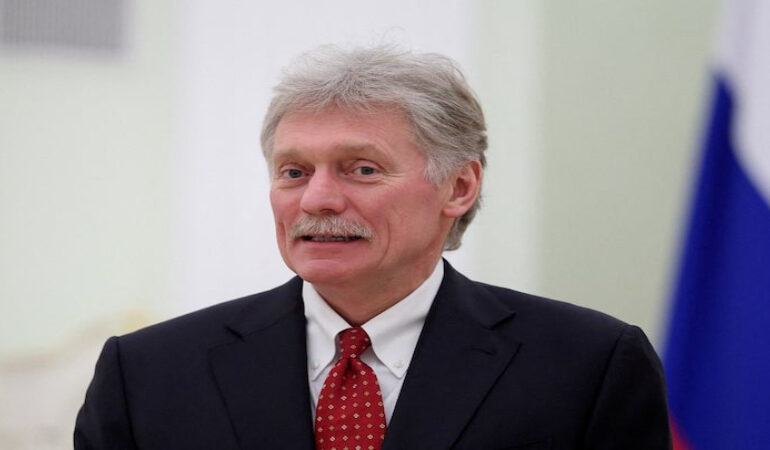
The Kremlin has dismissed allegations that Russia or China conducted secret nuclear tests, responding to recent accusations from the United States regarding a suspected underground event in 2020.
Kremlin spokesperson Dmitry Peskov told reporters in Moscow that neither the Russian Federation nor China had carried out nuclear test explosions. He added that Beijing had already categorically denied the U.S. claims and said Moscow’s position aligned with China’s rejection of the accusations.
Earlier this month, U.S. officials alleged that China may have conducted a covert nuclear test in 2020, citing seismic data analysis. Washington has linked its concerns to a broader call for a new multilateral arms control framework that would include China alongside the United States and Russia. The accusations have resurfaced amid heightened geopolitical tensions and ongoing debates over the future of nuclear arms regulation.
China has consistently maintained that it adheres to its commitments under international nonproliferation frameworks and has denied conducting any nuclear test explosions. Beijing has described the U.S. allegations as unfounded and politically motivated.
The exchange comes at a sensitive moment for global arms control efforts. The New START treaty, the last remaining nuclear arms reduction agreement between the United States and Russia, expired earlier this month. The treaty had limited deployed strategic nuclear warheads and delivery systems, serving as a key pillar of bilateral arms control for more than a decade.
U.S. President Donald Trump has expressed interest in negotiating a broader agreement that would replace New START and bring China into a trilateral framework. However, China has previously indicated reluctance to join such negotiations, arguing that its nuclear arsenal is significantly smaller than those of the United States and Russia.
The expiration of New START has prompted concern among some analysts who warn of a potential acceleration in global nuclear competition. Others argue that existing deterrence balances and transparency measures may limit immediate escalation, even without a formal treaty in place.
Russia has stated that it remains committed to strategic stability but has criticized U.S. policy moves that it says undermine trust. The latest exchange over alleged nuclear testing underscores the challenges facing efforts to rebuild confidence between major powers in an increasingly fragmented security environment.
As diplomatic discussions continue, public denials from Moscow and Beijing suggest that disputes over verification, transparency and treaty frameworks will remain central to the evolving debate over global nuclear governance.