Lantau location considered for Hong Kong’s first aircraft dismantling facility
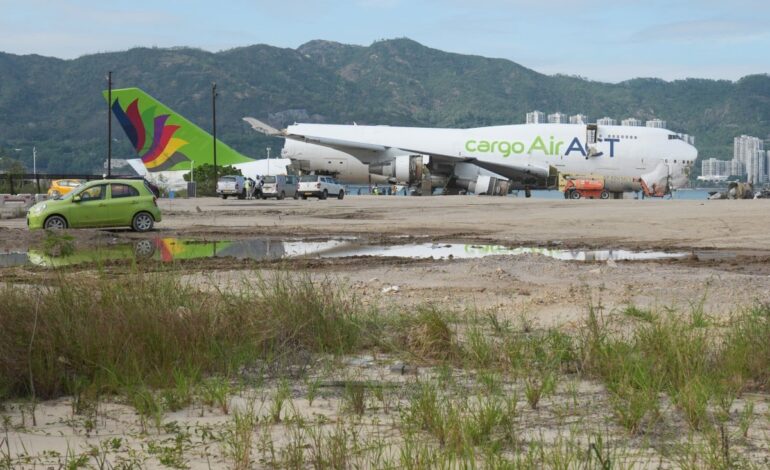
A site on Lantau Island is being considered for Hong Kong’s first dedicated aircraft dismantling plant, according to people familiar with the matter, marking a potential new chapter for the city’s aviation and recycling industries. The proposed location at To Kau Wan has been identified as suitable due to its proximity to the airport and its access to existing transport and maritime infrastructure.
Sources say the site’s closeness to Hong Kong International Airport would significantly reduce the cost and logistical complexity of moving retired aircraft for dismantling. Aircraft could be towed or transported over short distances, lowering emissions and operational risks compared with shipping planes to overseas facilities. This advantage is seen as a key factor behind the site being shortlisted.
To Kau Wan also benefits from established road links and a nearby pier, which could be used to transport dismantled aircraft components by sea. Industry specialists note that large aircraft parts such as fuselage sections, wings and engines are often moved by barge to recycling or refurbishment centres. Having direct access to a pier could make the operation more efficient and commercially viable.
Hong Kong currently lacks a local aircraft dismantling facility, with end of life planes typically sent to mainland China or other Asian countries for disassembly. Establishing a plant locally would allow airlines and leasing companies based in the city to manage aircraft retirement closer to home. It could also strengthen Hong Kong’s role in the broader aviation supply chain, beyond its traditional strengths in passenger and cargo handling.
The timing of the proposal reflects growing demand for aircraft dismantling and recycling worldwide. As fleets modernise and older models are phased out, more aircraft are reaching the end of their service life. Industry estimates suggest that hundreds of commercial aircraft will be retired each year across Asia over the next decade, creating a steady stream of work for dismantling and parts recovery operations.
Environmental considerations are also part of the discussion. Modern aircraft dismantling focuses on recovering valuable materials such as aluminium, titanium and composite components, while safely handling hazardous substances. Supporters of the plan argue that a locally regulated facility could ensure higher environmental and safety standards, while reducing the carbon footprint associated with transporting aircraft long distances.
The proposal is still at an early stage and would require approval from multiple government departments. Planning, environmental impact assessments and community consultation would be necessary before any construction could begin. Lantau Island has been the focus of several major infrastructure projects in recent years, making land use decisions particularly sensitive.
Aviation analysts say that if approved, the facility could create specialised jobs and attract related services such as parts trading, maintenance and certification. It could also complement Hong Kong’s ambitions to remain a leading aviation hub as the industry evolves.
While no final decision has been made, the consideration of To Kau Wan highlights how Hong Kong is exploring new ways to leverage its aviation expertise and infrastructure. If realised, the project would mark the city’s first step into aircraft dismantling and recycling, aligning with global trends toward sustainability and lifecycle management in aviation.