Mexico’s 50 Percent Tariff Move Disrupts Asia’s Back Door to North America
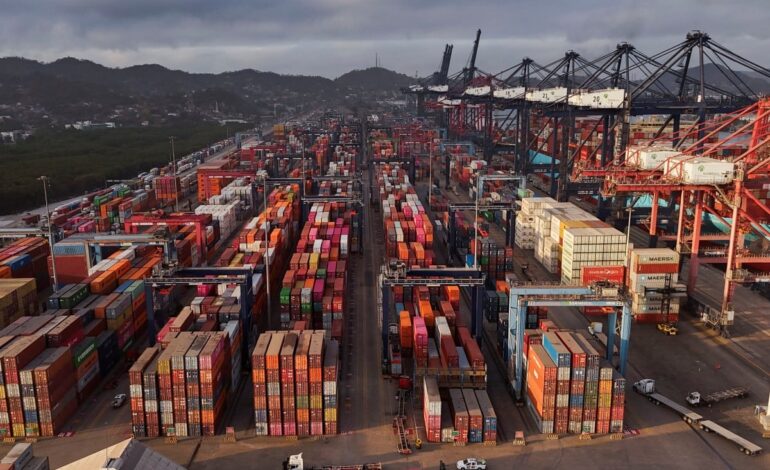
Asia’s Detour Through Mexico Comes Under Pressure
For more than a year, many Asian exporters have relied on Mexico as a strategic gateway to the North American market. As trade barriers tightened in the United States, companies adjusted routes shifted assembly stages and absorbed higher costs to keep goods flowing. That workaround is now facing a serious setback. Mexico has announced plans to impose import duties of up to fifty percent on a wide range of goods from Asia, a move that threatens to shut down a key trade bypass.
New Tariffs Target Multiple Sectors
The new duties are scheduled to take effect from January one and will apply to a broad list of products. These include electronics apparel chemicals and a large range of engineering goods such as cars and other vehicles. Mexican authorities say the measures are designed to protect domestic industries and address what they describe as a growing trade imbalance with Asian economies. For exporters, the scope of the tariffs means few sectors will remain untouched.
Why Mexico Became a Critical Link
Mexico’s importance in global supply chains has grown rapidly as companies sought alternatives to direct exports into the United States. Goods shipped to Mexico could be processed assembled or redistributed under trade agreements that offered preferential access to the US market. This strategy helped Asian manufacturers remain competitive despite rising tariffs and geopolitical friction. Over time Mexico evolved into a crucial logistics and manufacturing hub linking Asia to North America.
Domestic Pressures Drive Policy Shift
Mexican policymakers are under increasing pressure from local manufacturers who argue that low cost imports are undercutting domestic production. Industries ranging from textiles to automotive parts have complained that surging imports from Asia are squeezing margins and costing jobs. The new tariff regime reflects an effort to rebalance trade flows and support local industry amid broader economic uncertainty.
Impact on Automotive and Electronics Supply Chains
Few industries feel the impact more acutely than automotive and electronics manufacturing. These sectors rely on complex cross border supply chains where components move multiple times before final assembly. Higher tariffs on parts and finished goods raise costs throughout the system. For companies that invested heavily in Mexico based on predictable trade access, the sudden shift forces difficult decisions about sourcing pricing and long term strategy.
Rising Costs and Narrower Options for Exporters
Asian exporters now face a narrowing set of options. Absorbing a fifty percent tariff is not viable for most goods. Passing costs on to buyers risks losing competitiveness. Rerouting through other countries adds time expense and uncertainty. Some firms may consider relocating production entirely but that requires capital regulatory approval and time. The tariff shock therefore acts as an immediate brake on trade flows.
Broader Implications for Global Trade
Mexico’s move highlights how trade tensions are no longer confined to bilateral disputes involving the United States and China. Instead they are spreading across regions as countries reassess their exposure to global competition. Protective measures taken by one economy can quickly ripple through supply chains affecting multiple partners at once. The result is a more fragmented and less predictable trading environment.
North American Market Access Becomes Harder
For Asian companies the North American market has become increasingly difficult to reach through indirect routes. With US tariffs already high and Mexico tightening its own rules the cost advantages that once justified complex logistics are eroding. Companies that built strategies around flexibility now face a world where barriers appear faster than supply chains can adapt.
Signals to Investors and Manufacturers
The announcement sends a clear signal to global manufacturers that trade policy risk is no longer limited to headline disputes. Investment decisions based on stable access assumptions may need to be revisited. Mexico’s action suggests that even countries benefiting from nearshoring trends are willing to adjust rules when domestic pressures rise.
A Turning Point for Supply Chain Strategies
The introduction of steep tariffs marks a turning point for Asia’s use of Mexico as a trade corridor. While the full impact will unfold over time the immediate message is clear. Workarounds that once offered relief from tariffs are becoming harder to sustain. For exporters manufacturers and investors alike the era of easy detours into North America appears to be drawing to a close.