Netherlands Lifts Restrictions on Nexperia and Restores Control to Chinese Parent Wingtech
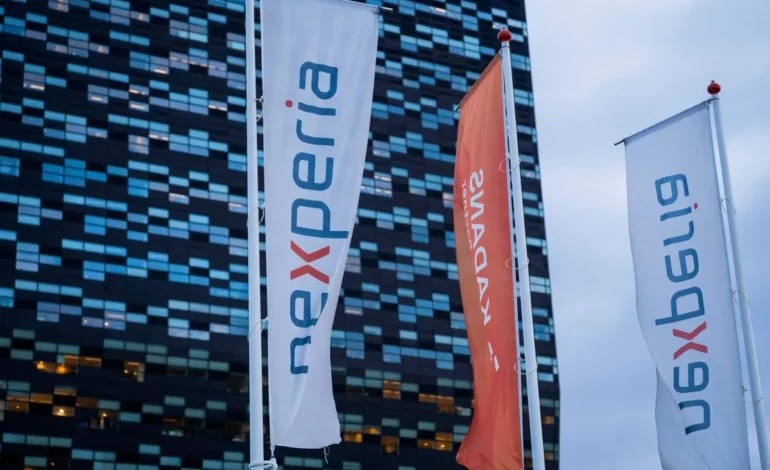
The Netherlands has reversed course on its earlier intervention in Nexperia, announcing that it will suspend the measures that placed the Dutch chipmaker under temporary state control. The Ministry of Economic Affairs confirmed on Wednesday that full authority over Nexperia has now been returned to its Chinese parent company, Wingtech Technology. The decision marks a notable shift in Dutch policy and signals an effort to ease tensions that had been building between The Hague and Beijing.
Nexperia, a long established semiconductor manufacturer with operations across Europe, is wholly owned by Wingtech. Months ago, the Dutch government stepped in citing national security concerns, arguing that foreign control over certain technological assets required closer scrutiny. The move was part of a broader trend among Western nations seeking to protect sensitive industries linked to high tech innovation and strategic capabilities.
The government’s takeover created significant disruptions along the semiconductor supply chain. Companies depending on Nexperia’s chips experienced delays, and uncertainty rippled through European electronics manufacturers already strained by global shortages. The intervention also sparked diplomatic backlash. Beijing repeatedly expressed dissatisfaction in discussions with Dutch officials, emphasizing that Nexperia operated legally within the Netherlands and warning that such actions could undermine investor confidence.
Now, analysts say the Dutch decision to end its intervention reflects both practical and geopolitical considerations. Europe continues to face a global chip shortage, and supply chain resilience remains a central concern for businesses and governments alike. Restoring Nexperia’s operations to normalcy helps stabilize semiconductor production at a time when industries from automotive manufacturing to consumer electronics are struggling with component constraints.
The reversal also appears to be a gesture toward repairing relations with China. As competition between the United States and China increasingly shapes global trade dynamics, European nations find themselves balancing security concerns with economic interdependence. China is a crucial market and manufacturing partner for Europe, and the semiconductor ecosystem relies heavily on cooperation across borders. Returning Nexperia to Wingtech may be intended to signal openness to dialogue and reduce friction.
Dutch officials said the decision followed a detailed review of risks and highlighted that ongoing oversight mechanisms would still ensure compliance with national security requirements. They emphasized that the aim is not to weaken safeguards but to apply them proportionately and consistently.
For China, the announcement is likely to be welcomed as a corrective step after months of tension. Beijing has been vocal about wanting predictable regulatory environments for Chinese investments in Europe, especially in sectors as central as semiconductors.
For the global chip industry, the move offers a rare piece of stability in a landscape marked by competition, regulation and supply pressures. While the broader challenges facing semiconductor production remain, restoring Nexperia to Wingtech is expected to ease pressure within the European supply chain and contribute to steadier market conditions.
As governments grapple with the complex intersection of national security and technological cooperation, decisions like this highlight the delicate balance between protection and partnership.