
New Leadership Profiles Highlight the Rise of China’s Next Generation Tech Executives
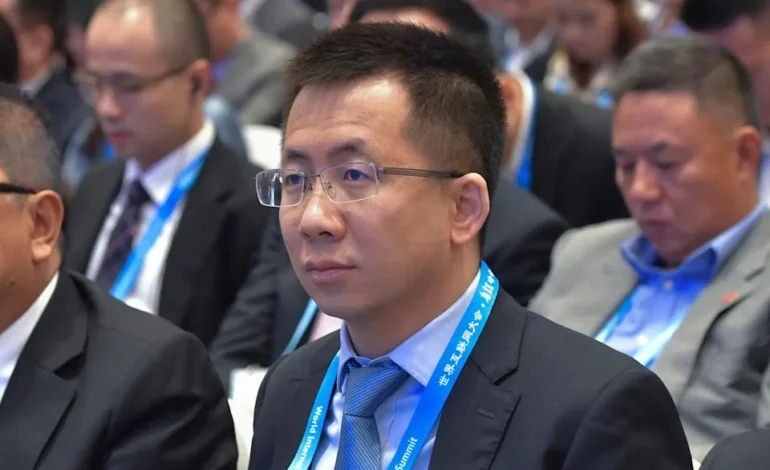
China’s technology landscape is undergoing a noticeable shift as a new wave of young executives steps into leadership positions across artificial intelligence, digital finance, advanced manufacturing, cloud computing, and semiconductor companies. These emerging leaders represent a generation shaped by global competition, rapid scientific progress, and the expanding influence of digital industries. Recent leadership profiles published by research institutions and industry associations show how these individuals are transforming corporate strategy, accelerating innovation, and redefining what it means to lead in China’s highly competitive tech sector.
Unlike earlier generations that focused primarily on scale and rapid expansion, today’s rising executives are placing greater emphasis on deep research capabilities, sustainable growth, and long term technological independence. Many have backgrounds that combine international education, hands on engineering experience, and exposure to frontier technologies. Their rise reflects a broader national effort to cultivate homegrown talent capable of guiding the next phase of China’s digital transformation.
A New Generation Focused on Scientific Depth
One defining characteristic of these new tech leaders is their strong grounding in scientific and engineering disciplines. Many have advanced degrees in computer science, automation, materials engineering, or applied mathematics, and several previously led research teams before entering executive roles. Their academic backgrounds allow them to engage more directly with technical teams and drive research priorities at a deeper level.
This shift is particularly important for industries such as artificial intelligence and semiconductors, where global competition is shaped by advances in model architectures, chip design, and high performance compute systems. Companies led by technically fluent executives often move more quickly in adopting new research, evaluating emerging tools, and responding to evolving challenges.
Leadership profiles show that these executives value rigorous experimentation and data driven decision making. Their strategic planning often includes clear technical roadmaps, long term R and D investments, and collaborative partnerships with universities and national laboratories.
Emphasis on Responsible Growth and Corporate Governance
Alongside technical depth, the new generation of executives demonstrates a strong commitment to responsible leadership. Many have implemented improved governance frameworks, expanded transparency initiatives, and strengthened compliance teams to align with evolving national regulations on data security, algorithm management, and platform operations.
This focus on responsibility is driven in part by China’s growing regulatory landscape, which places increasing emphasis on safety, fairness, and ethical standards. By prioritising compliance and governance, these executives aim to build sustainable business models that can operate effectively in both domestic and global markets.
Leadership profiles highlight how some executives have pioneered systems for algorithm auditing, data governance, and internal risk evaluation. These practices help companies maintain public trust at a time when digital systems influence nearly every part of daily life.
Talent Development and Organisational Culture Become Strategic Priorities
Many of the profiled executives have also placed strong importance on building healthy organisational cultures. They emphasise mentorship, continuous learning, and cross disciplinary teamwork. This approach encourages innovation and helps attract high level talent in competitive fields.
Some companies have launched internal training programs to cultivate specialists in AI engineering, cybersecurity, cloud infrastructure, and robotics. Others have created flexible research units where teams can explore new technologies that may not yield immediate commercial results but hold long term promise.
The focus on talent reflects the understanding that technological leadership depends not only on hardware and capital but also on the creativity and expertise of the people behind the systems.
Expanding Global Competence in a Competitive Environment
Another notable trend is the growing international outlook of China’s new tech executives. Many have studied abroad or collaborated with global research communities, giving them broader perspectives and a strong understanding of international standards. This experience supports companies seeking to expand overseas or participate in global scientific exchanges.
In some cases, executives have overseen the launch of cross border collaborations in fields such as quantum computing, cloud services, and biotechnology. Their ability to integrate domestic strengths with global developments enhances China’s competitiveness in frontier sectors.
Shaping the Future of China’s Tech Ecosystem
The emergence of these young executives signals a generational shift in China’s technology leadership. Their approach blends scientific expertise, organisational skill, and long term vision. As they take charge of major initiatives, they are helping define the direction of AI, digital finance, advanced manufacturing, and next generation communication systems.
Industry analysts believe their leadership will play an influential role in China’s innovation trajectory over the next decade. With strong focus on research, governance, and talent development, these executives are positioned to guide companies through rapid technological change while building sustainable foundations for growth.



