Next-Gen Battery Technologies for EVs in China

China’s electric vehicle (EV) industry is experiencing unprecedented growth, driven by government policies, consumer demand, and technological innovation. Central to this growth is the development of next-generation battery technologies that enhance vehicle range, safety, and performance. By 2025, China is leading the global push in advanced lithium-ion batteries, solid-state solutions, and alternative chemistries designed for EV applications. These next-gen batteries are crucial for addressing range anxiety, reducing charging times, and supporting sustainable transportation. This blog explores China’s advancements in EV battery technologies, industrial scaling, and the implications for the automotive and energy sectors.
Government Policies Driving Battery Innovation
Policy support plays a pivotal role in accelerating battery innovation. China’s government provides subsidies for EV purchases, grants for battery R&D, and incentives for domestic manufacturers. Programs focus on improving energy density, safety, and fast-charging capabilities. Additionally, standards for battery testing, recycling, and supply chain transparency are enforced to ensure consistent quality. Municipal and provincial authorities support industrial clusters for battery production, integrating EV manufacturers, battery producers, and research institutions to create a cohesive innovation ecosystem.
Next-Generation Lithium-Ion Batteries
Lithium-ion (Li-ion) batteries remain the dominant technology for EVs, but advancements in 2025 focus on increasing energy density, improving thermal stability, and extending lifecycle performance. Chinese manufacturers are experimenting with high-nickel cathodes, silicon anode materials, and optimized electrolyte formulations to achieve longer driving ranges. Innovations in cell design, thermal management systems, and structural integration into EV chassis enhance safety and reduce weight, enabling higher efficiency. These next-gen Li-ion batteries are critical for premium EV models, long-range commuter vehicles, and fleet applications.
Solid-State Battery Development
Solid-state batteries represent the next frontier in EV energy storage. By replacing liquid electrolytes with solid materials, these batteries offer improved energy density, faster charging, and enhanced safety. Chinese research institutes and private firms are actively developing solid-state prototypes for EV applications. Progress in 2025 includes scalable manufacturing techniques, improved ionic conductivity, and long-cycle durability. Although commercial deployment remains in early stages, solid-state batteries promise to redefine the performance benchmarks for next-generation EVs.
Fast-Charging Technologies
Range and charging speed remain critical concerns for EV adoption. Next-generation battery technologies incorporate fast-charging capabilities, allowing vehicles to regain 80% charge within 15–30 minutes. Chinese firms are optimizing battery chemistry, thermal management, and charging infrastructure to reduce stress on cells and prevent degradation. Fast-charging stations are increasingly integrated with smart grids, renewable energy sources, and vehicle communication systems, enabling efficient, energy-conscious operation across urban and highway networks.
Battery Thermal Management
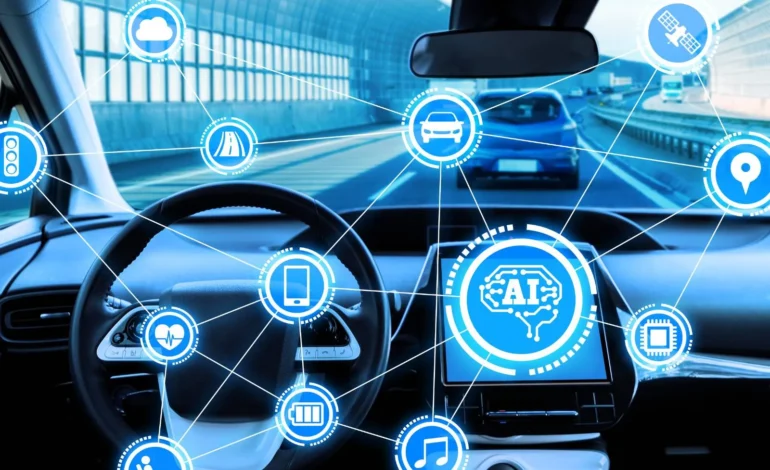
Effective thermal management is essential for safety, efficiency, and longevity of EV batteries. Next-gen batteries incorporate advanced cooling systems, phase-change materials, and AI-driven temperature monitoring. These systems prevent overheating during high-speed charging or intensive use, ensuring consistent performance across a range of environmental conditions. In 2025, thermal management innovations are integrated at both cell and pack levels, contributing to reliability and compliance with stringent safety standards.
Battery Energy Density and Lifecycle Improvements
Improved energy density extends vehicle range, reduces battery weight, and enhances overall efficiency. Chinese manufacturers are achieving incremental gains through optimized cathode and anode chemistries, cell architecture, and electrolyte formulations. Lifecycle improvements reduce degradation over repeated charge cycles, lowering total cost of ownership for consumers. These advancements also support industrial and commercial EV fleets, where long-term reliability and operational cost reduction are critical for adoption.
Manufacturing Innovations and Industrial Scaling
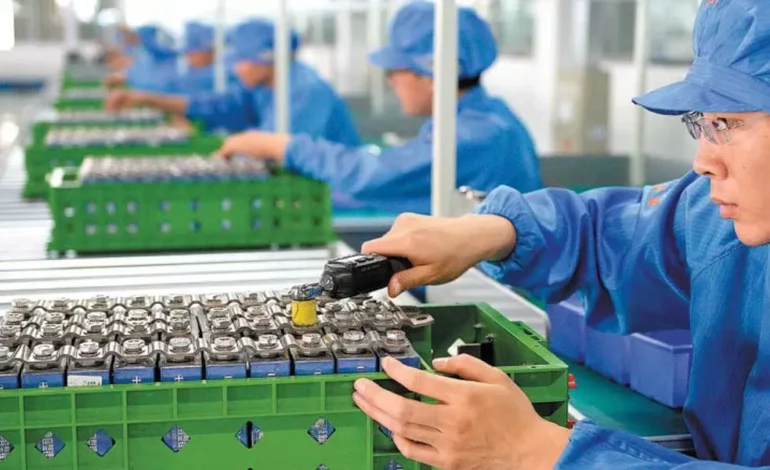
Scaling next-gen battery production is critical to meet growing EV demand. China’s industrial hubs are implementing automated assembly lines, robotics, AI-driven quality control, and standardized manufacturing processes. Modular production allows flexible adaptation for various chemistries and cell formats. Investments in raw material processing, cell design, and battery pack integration ensure a secure domestic supply chain while supporting global export markets. Efficient manufacturing reduces cost per kilowatt-hour and accelerates deployment of EVs nationwide.
Integration with EV Platforms
Next-gen batteries are increasingly integrated into EV platforms to optimize space, weight distribution, and performance. Pack design considerations include modularity for easy replacement, structural support for vehicle chassis, and compatibility with fast-charging infrastructure. Vehicle manufacturers collaborate closely with battery developers to ensure that chemistry, capacity, and thermal management systems are optimized for specific EV models, ranging from compact urban cars to commercial trucks and premium sedans.
Environmental and Sustainability Considerations
Battery innovation is closely linked with sustainability goals. Next-gen batteries are designed for higher recyclability, reduced use of critical raw materials, and longer service life. Manufacturers are developing closed-loop recycling processes and second-life battery applications for energy storage, mitigating environmental impact. In 2025, regulatory frameworks enforce responsible sourcing, recycling compliance, and lifecycle assessment standards, ensuring that advanced battery technologies contribute to sustainable EV deployment.
Global Competitiveness and Export Potential
China’s leadership in next-generation EV batteries strengthens its position in global markets. High-performance lithium-ion and emerging solid-state solutions are increasingly exported to Europe, Southeast Asia, and North America. Chinese battery manufacturers leverage scale, advanced manufacturing techniques, and technology leadership to compete internationally. By establishing quality standards, building R&D ecosystems, and demonstrating technological reliability, China is solidifying its role as a key global supplier of EV energy storage solutions.
High-Nickel Li-ion Packs
In 2025, Chinese EV manufacturers will integrate high-nickel Li-ion battery packs into long-range vehicles. These packs offer energy density improvements of 15–20% compared to standard Li-ion cells. Advanced thermal management ensures stability during fast charging, while modular pack designs facilitate maintenance and replacement. AI-driven battery monitoring predicts performance degradation and alerts operators, extending lifecycle and reducing operational risks. This deployment exemplifies how next-generation battery technologies enhance performance, efficiency, and sustainability in EV applications.
Future Outlook
Next-generation battery technologies in China are set to continue evolving rapidly. Focus areas for 2026 and beyond include solid-state commercialization, alternative chemistries such as lithium-sulfur, ultra-fast charging infrastructure, and enhanced recyclability. Integration with smart grids and renewable energy storage solutions will further enhance sustainability. Continuous R&D, industrial scaling, and policy support ensure that China maintains technological leadership and meets the increasing global demand for high-performance EV energy storage.
Conclusion
China’s next-generation battery technologies are driving the evolution of electric vehicles, offering improved energy density, safety, fast charging, and lifecycle performance. Policy support, industrial scaling, and technological innovation are enabling domestic adoption while positioning China as a global leader in battery manufacturing and exports. As lithium-ion, solid-state, and other advanced chemistries mature, next-gen batteries will enhance vehicle performance, reduce environmental impact, and accelerate sustainable mobility. By 2025, China’s advancements in EV battery technology exemplify a future-ready approach to energy storage, urban mobility, and industrial competitiveness.