Next Wave of Asia’s Cross-Border Payment Systems
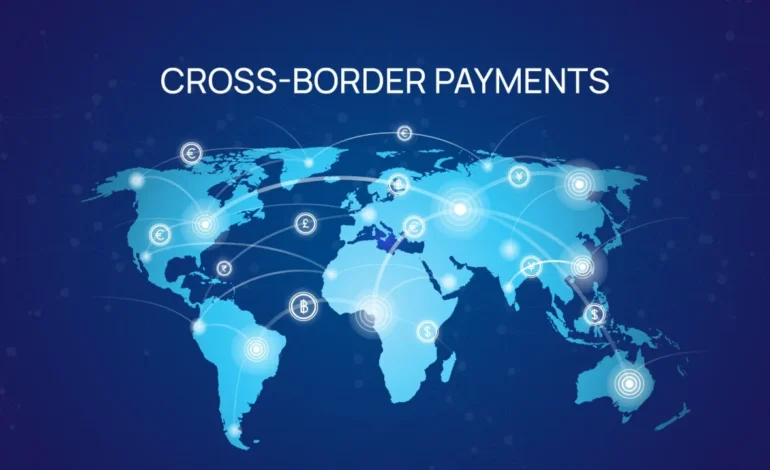
Asia’s financial ecosystem is undergoing a fundamental transformation as cross-border payment systems evolve toward instant, transparent, and programmable models. The region’s central banks, fintech firms, and digital infrastructure providers are aligning to create interoperable payment bridges that bypass legacy networks.
According to the Bank for International Settlements (BIS), more than 60 percent of trade settlements in Asia are expected to transition to digital or hybrid systems by 2026. The shift is driven by technological maturity, growing regional trade, and policy initiatives promoting sovereign digital currencies and real-time settlements.
Central Bank Cooperation and Regional Frameworks
Projects led by the Monetary Authority of Singapore, Hong Kong Monetary Authority, and the People’s Bank of China have become reference points for regional collaboration. These initiatives use distributed ledger technology to synchronize transactions between domestic banking systems, ensuring faster settlement with built-in regulatory oversight.
The mBridge project, jointly tested by China, Thailand, and the UAE, demonstrated that digital currency transactions could be completed in seconds with traceable compliance data embedded at every stage.
This multi-CBDC model has inspired the creation of new regional bridges that combine payment functionality with automated auditing and liquidity management. The architecture reflects Asia’s shift toward programmable settlement ecosystems designed for interoperability rather than competition.
Fintech Integration and Modular Infrastructure
Fintech innovation has accelerated the adoption of cloud-based cross-border payment networks. Private firms are collaborating with state-backed banks to build modular financial infrastructures capable of real-time verification, digital identity authentication, and currency conversion.
In practice, these systems operate through tokenized transaction layers that record each transfer on a secure distributed ledger. The result is greater transparency and dramatically reduced settlement risk.
Technology analysts describe these frameworks as part of a broader trend where financial instruments and data infrastructure merge into a unified network. This integration mirrors the way modular toolkits are being used across Asia to link banks, fintechs, and logistics firms through a single programmable interface.
Policy Alignment and Regulatory Innovation
Regional governments are introducing new digital finance regulations to harmonize data standards and risk controls. The ASEAN Digital Payments Connectivity Framework and China’s Digital Finance Supervision Guidelines both emphasize the need for shared authentication, consumer protection, and interoperability.
Under these policies, participating institutions can join regional settlement bridges without sacrificing national oversight. The systems are designed to allow transparent cross-border transactions while maintaining compliance with anti-money-laundering and know-your-customer rules.
These regulatory innovations create the foundation for policy-driven payment diplomacy, where technology becomes an extension of economic cooperation across the continent.
Economic Impact and Market Efficiency
The modernization of payment systems is already reshaping trade finance, remittances, and supply-chain transactions. Businesses benefit from reduced conversion costs and faster liquidity circulation, while governments gain better insight into capital flow and taxation.
In industries such as manufacturing and energy, programmable payments allow contracts to execute automatically once verified milestones are met, ensuring accountability in cross-border supply chains.
Experts estimate that the transition to real-time digital payments could increase regional GDP by nearly 1.5 percent annually through efficiency gains and improved transparency.
Conclusion
The next wave of Asia’s cross-border payment systems represents more than technological progress; it is a blueprint for economic integration in the digital era. By embedding programmability, transparency, and regulatory cooperation into the heart of financial infrastructure, Asian economies are building a network that reflects both competition and collaboration.
As these systems mature, they will define how trade, finance, and governance interact across one of the world’s most dynamic regions, setting global standards for secure, intelligent, and inclusive digital payments.