Oil and LNG Shipping Costs Spike as Strait of Hormuz Tensions Disrupt Global Energy Flows
Global oil and liquefied natural gas shipping costs have surged to record levels as escalating conflict between the United States and Iran disrupts vessel traffic through the Strait of Hormuz, a critical artery for global energy supplies. Industry data shows that freight rates for supertankers operating in the Middle East have climbed sharply, reflecting mounting security risks and tightening vessel availability.
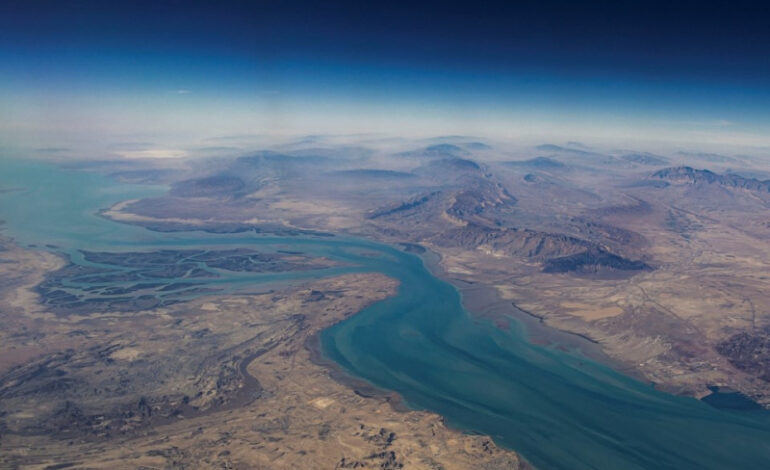
The Strait of Hormuz, which connects the Persian Gulf to the Arabian Sea, handles roughly one fifth of global oil consumption along with significant volumes of LNG exports. Shipping activity has slowed dramatically following attacks on vessels in the region and heightened threats from Tehran. Iranian officials have signaled potential closure of the waterway, intensifying fears of prolonged disruption.
Benchmark freight rates for very large crude carriers transporting about two million barrels of oil from the Middle East to Asia have reached unprecedented highs. Market assessments indicate daily charter costs have exceeded 400,000 dollars, more than doubling within days as insurers, shipowners and charterers reassess risk exposure. The sudden spike underscores the vulnerability of global energy supply chains to geopolitical instability.
Liquefied natural gas shipping markets have also experienced sharp price increases. Daily charter rates in the Atlantic and Pacific basins jumped more than 40 percent within a single trading session. Analysts attribute the surge to both security concerns and tightening vessel supply, particularly after production interruptions in key exporting countries. Some energy consultants warn that spot LNG shipping rates could climb above 100,000 dollars per day if tensions persist.
The impact extends beyond freight markets. Brent crude prices have risen significantly during the week, reflecting concerns over supply constraints and precautionary shutdowns at oil and gas facilities across the Middle East. European natural gas benchmarks have also moved higher as traders factor in potential delays in LNG cargoes.
Shipping companies are responding by implementing contingency plans, rerouting vessels where possible and pausing operations in high risk zones. Several shipowners have reportedly suspended Gulf operations, making it increasingly difficult to determine accurate spot rates. Fuel supply hubs such as Fujairah in the United Arab Emirates have experienced slower bunker sales, while demand may shift toward alternative ports including Singapore.
Governments are also taking precautionary measures. South Korea’s maritime authorities have advised domestic shipping firms to avoid operating in the Middle East until security conditions stabilize. Major logistics operators are reviewing alternative routes, though options remain limited given the strategic importance of the Strait of Hormuz.
Energy markets remain highly sensitive to developments in the region. Any sustained disruption to tanker movements through the strait could reshape global trade flows, elevate transportation costs and intensify volatility in oil and gas prices worldwide.