OpenClaw AI Craze in China Turns Costly as Users Pay to Remove Viral Agent
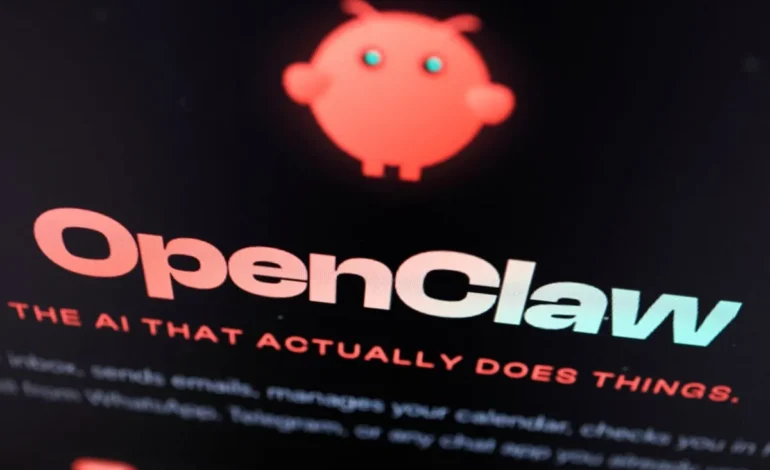
China’s latest viral artificial intelligence tool has sparked an unexpected backlash as users who once paid to install the OpenClaw AI agent are now spending money to remove it. The open source assistant spread quickly across Chinese tech communities and social media platforms, where enthusiasts promoted it as a powerful automated helper capable of managing tasks, generating content and interacting with online services. However the rapid adoption of the tool has created complications for many users, leading to a surge in paid services offering to uninstall the software after it proved more difficult to manage than expected.
Online marketplaces and digital service platforms have seen a growing number of listings offering to remove the AI agent from computers and mobile devices. On Xianyu, a popular second hand platform linked to Alibaba, searches for uninstalling OpenClaw surged as users looked for help reversing the installation. Sellers across major Chinese cities began advertising services that promise to safely remove the software and restore system settings. Some providers have already completed multiple transactions, charging hundreds of yuan for technical assistance. The trend reflects how rapidly viral technology tools can create unexpected demand for technical support services.
The OpenClaw project gained attention because it allowed users to deploy an autonomous AI agent capable of performing digital tasks with limited human oversight. Unlike traditional chat based assistants, the system can operate across different software environments and automate certain workflows. Enthusiasts initially promoted it as a breakthrough in open source artificial intelligence because it provided powerful capabilities without the need for expensive enterprise tools. But the same flexibility that made the agent attractive also introduced technical challenges for inexperienced users who installed it without fully understanding how the system interacts with local devices.
Some users reported that the agent continued running processes in the background or created unexpected system changes that were difficult to reverse. Others said they struggled to completely remove all associated files or configurations after deciding to stop using the tool. As complaints spread across Chinese social media forums, a small online market quickly formed around people offering paid removal services. Technicians and software hobbyists began promoting themselves as specialists capable of uninstalling the AI agent and restoring system stability for frustrated users.
The episode highlights how rapidly evolving artificial intelligence tools can generate both enthusiasm and confusion among early adopters. China has one of the world’s largest communities of technology enthusiasts and developers, many of whom actively experiment with open source AI systems. Viral software projects can therefore spread quickly across online communities, especially when they promise advanced capabilities such as automated task management or intelligent digital assistants. However analysts say the rapid pace of innovation also creates risks when users deploy complex software without proper technical understanding.
The situation surrounding OpenClaw also reflects the growing influence of open source artificial intelligence ecosystems. Developers across the world are releasing powerful AI tools that can be freely modified and distributed by users. While this approach accelerates innovation and experimentation, it can also lead to unexpected outcomes when tools are adopted at scale without structured support systems. Experts note that open source AI agents capable of performing automated actions may require more careful user guidance than conventional software applications.
Despite the recent complaints, interest in autonomous AI agents continues to expand within China’s technology sector. Researchers and start ups are exploring how intelligent software agents could automate online tasks ranging from data analysis to digital customer service. Many companies see the technology as a potential driver of productivity improvements across industries. The rapid rise and backlash surrounding OpenClaw therefore reflects both the excitement and the growing pains associated with the next generation of artificial intelligence systems as they move from experimental tools toward mainstream adoption.