Pony.ai reshapes robotaxi expansion with asset light approach
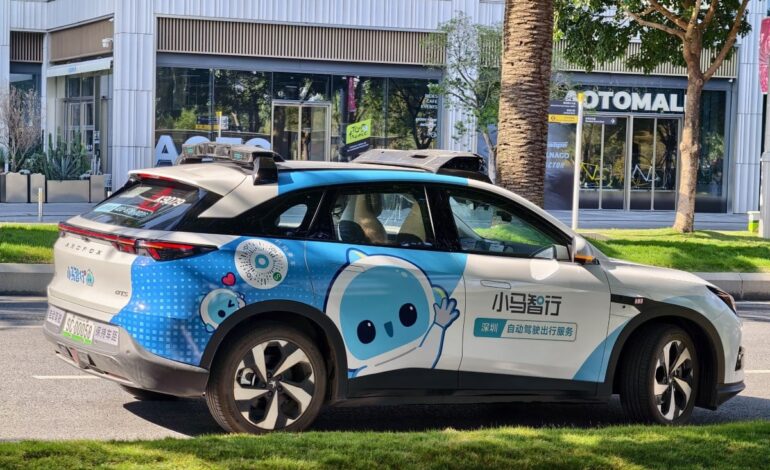
Chinese autonomous driving firm Pony.ai is adjusting its growth strategy by moving toward an asset light model for its robotaxi business. The Guangzhou based company believes this shift, combined with newer generations of lower cost driverless vehicles, will help it scale more efficiently and move toward profitability, with a break even target set around 2030.
Reducing capital pressure
Under the asset light approach, Pony.ai plans to avoid the heavy financial burden of owning and operating large robotaxi fleets itself. Instead, the company will work with third party partners such as taxi operators and ride hailing platforms that will finance and deploy the vehicles. This allows Pony.ai to focus on its core strengths in autonomous driving technology rather than tying up capital in physical assets.
According to chief financial officer Leo Wang Haojun, this model significantly reduces upfront costs and lowers financial risk as the company expands into new markets.
Selling vehicles and licensing technology
Rather than running fleets directly, Pony.ai intends to sell its driverless vehicles to partners. Alongside the vehicles, the company will license its autonomous driving software and fleet management systems. Partners will pay fees for access to this technology, while Pony.ai also takes a share of the fares generated by robotaxi services.
This creates multiple revenue streams from a single deployment, combining vehicle sales, technology licensing, and ongoing participation in ride revenue without full operational responsibility.
Learning from global mobility trends
The asset light strategy mirrors approaches seen in other technology driven industries, where companies prioritize platforms and intellectual property over ownership of physical assets. For robotaxi services, this model is particularly appealing because fleet ownership involves high costs for maintenance insurance and upgrades.
By transferring those responsibilities to partners, Pony.ai aims to grow faster and remain flexible as autonomous vehicle technology continues to evolve.
Lower cost vehicles support scaling
Pony.ai is also betting on newer generations of driverless cars that are cheaper to produce and operate. Advances in sensors computing power and system integration are gradually reducing the cost of autonomous vehicles. As these costs fall, robotaxi services become more viable for partners and more competitive with traditional ride hailing options.
Lower vehicle costs also make it easier for Pony.ai to attract partners willing to invest in fleets.
Path toward profitability
The company expects its robotaxi business to reach break even by around 2030. Achieving that goal depends on balancing expansion with cost control, a challenge that has slowed many autonomous driving ventures worldwide. By limiting capital expenditure and focusing on scalable technology licensing, Pony.ai hopes to reach sustainable operations sooner than rivals that rely on asset heavy models.
The timeline reflects the long term nature of autonomous driving development and the gradual pace of regulatory and market adoption.
Strengthening partnerships
Collaboration is central to Pony.ai’s strategy. Working with established taxi companies and ride hailing platforms allows the firm to tap into existing customer bases and operational experience. Partners benefit from access to advanced autonomous driving systems without having to develop them in house.
This shared model spreads risk and encourages wider adoption of robotaxi services across different cities.
Positioning in a competitive market
China’s autonomous driving sector is highly competitive, with both start ups and major technology companies racing to commercialize robotaxis. Pony.ai’s asset light shift signals a pragmatic response to market realities, emphasizing sustainability over rapid but costly expansion.
If successful, the strategy could offer a blueprint for how autonomous mobility companies scale in capital intensive environments.