Porsche Plans Cost Cuts and Renewed Focus on Combustion Engines to Revive Performance
Porsche is preparing a major strategic shift aimed at restoring investor confidence and stabilizing its financial performance as the luxury automaker faces falling profits and intensifying global competition. The company’s new chief executive is expected to emphasize cost reduction and a renewed focus on traditional combustion engine vehicles while presenting his first earnings update to investors. The move reflects growing pressure on the German sports car manufacturer after declining margins and weaker sales in key markets. Industry observers say Porsche’s recovery strategy will likely combine financial discipline with a stronger emphasis on the models that have historically defined the brand.
The company has experienced a sharp financial downturn over the past year, with operating profit declining dramatically and margins shrinking to extremely low levels. Since its high profile market listing in 2022, Porsche’s share price has dropped significantly as investors grew concerned about slowing sales and the challenges surrounding its transition to electric vehicles. The automaker also recorded a multi billion dollar financial hit linked to earlier investments in its electric vehicle strategy. Analysts say the disappointing performance has raised questions about whether the company expanded too aggressively into the EV market before global demand was fully established.
Porsche’s new leadership is expected to streamline the company’s management structure in order to reduce operating expenses and accelerate decision making. Cost reductions have already begun through workforce adjustments and internal restructuring plans. The company announced that thousands of jobs could be cut over the coming years following earlier reductions among temporary workers. Investors are now closely watching how the leadership team balances financial discipline with continued investment in future vehicle technologies. Market participants say the upcoming earnings presentation will be closely examined for signals about Porsche’s long term strategy.
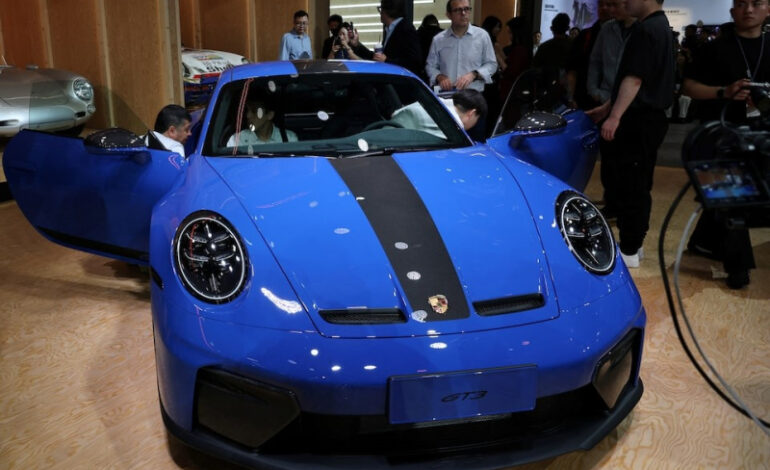
One of the most promising areas for the company remains its iconic 911 sports car, which continues to generate strong demand despite broader challenges facing the automotive industry. Company insiders suggest that the model’s enduring popularity could play a central role in rebuilding the brand’s emotional appeal among enthusiasts and loyal customers. Porsche is also expected to continue offering combustion engine and plug in hybrid vehicles well into the next decade alongside its electric lineup. The strategy mirrors a broader shift among global automakers that are adjusting their electrification timelines as EV demand grows more slowly than earlier forecasts predicted.
External economic pressures may complicate Porsche’s recovery efforts as global trade tensions, tariffs, and geopolitical uncertainty weigh on the automotive market. The company has already faced declining sales in several regions including North America, parts of the Middle East, and China, which remains the world’s largest auto market. Competition from rapidly expanding Chinese electric vehicle manufacturers has also intensified in recent years. Analysts say these factors could make Porsche’s turnaround more difficult, particularly if global economic conditions weaken and wealthy consumers become more cautious about high end discretionary purchases.