Rare Earth Prices Climb Above US Support Floor as Magnet Demand Tightens Supply
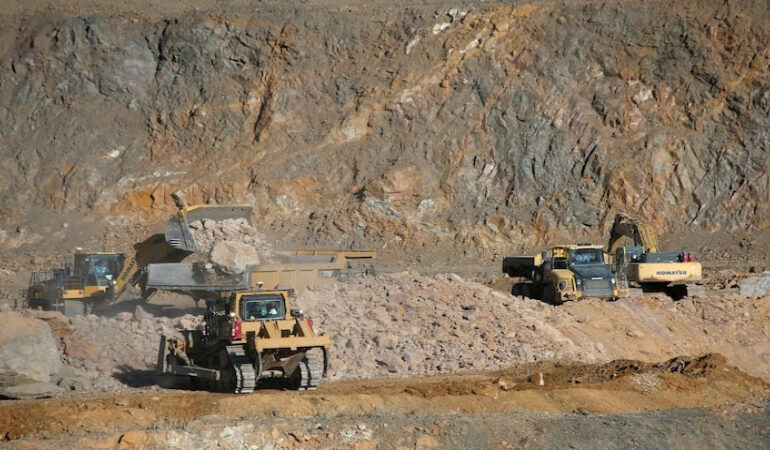
Prices of key rare earth materials used in high performance magnets have surged above a price floor established by the United States last year, reflecting renewed strength in demand and continued supply constraints in the global market.
Neodymium and praseodymium, commonly referred to together as NdPr, are critical inputs for manufacturing powerful permanent magnets used in electric vehicles, wind turbines and advanced defence systems. Benchmark prices for NdPr oxide have climbed to about 850,000 yuan per metric ton, equivalent to roughly 123 dollars per kilogram. That marks the highest level since mid 2022 and represents nearly a doubling from levels recorded last July.
The rally has pushed prices comfortably above the 110 dollar per kilogram threshold linked to a landmark agreement between the US government and MP Materials, the operator of the Mountain Pass rare earth mine in California. Under the arrangement announced last year, Washington provided a price support mechanism intended to stabilize domestic production and reduce reliance on imports. With current prices above the support floor, the government would not need to subsidize output as long as market levels remain elevated.
Analysts attribute the recent gains to firm downstream magnet demand combined with managed supply conditions in China, which dominates the rare earth supply chain. China accounts for roughly 70 percent of global mined output and about 90 percent of refining capacity, giving it significant influence over pricing dynamics. Any adjustments in Chinese production quotas or export flows can quickly affect international markets.
Demand from the electric vehicle sector has been a major driver. As automakers expand production and integrate high efficiency motors, consumption of NdPr magnets has increased. Defence procurement and renewable energy installations have also supported demand, particularly in Western economies seeking to accelerate energy transitions and strengthen strategic supply chains.
The higher price environment benefits rare earth producers outside China, including companies in the United States and Australia, that have been encouraged by policymakers to expand operations. Governments in North America and Europe have introduced various incentives aimed at building alternative refining and processing capacity to mitigate geopolitical risks.
However, market watchers caution that the rally may not be sustained indefinitely. Some analysts expect prices to ease later in the first quarter if supply conditions stabilize or if downstream buyers delay purchases in response to higher costs. Rare earth markets are known for volatility due to their concentrated production base and sensitivity to policy decisions.
For now, the move above the US support threshold underscores how strategic commodities are increasingly shaped by both industrial demand and government intervention. As countries compete to secure materials essential for electrification and advanced technologies, rare earth pricing is likely to remain closely watched by manufacturers, investors and policymakers alike.