Retired EV Batteries Could Power Most of China’s Energy Storage Push
China’s growing fleet of electric vehicles may hold an unexpected solution to one of the country’s biggest clean energy challenges. Used EV batteries, often retired from cars while still retaining most of their capacity, could provide a substantial share of the storage China needs to stabilise its rapidly expanding renewable power system.
Electric vehicle batteries are typically removed from service once their capacity falls to around 80 percent of original levels. While that drop makes them less suitable for driving, it leaves ample performance for stationary energy storage. Researchers and industry analysts say these so called second life batteries can be deployed on electricity grids to absorb excess renewable power and release it during periods of high demand.
China faces a familiar problem for renewable heavy systems. Solar output falls at night and in winter, while wind generation can fluctuate unpredictably. Demand, however, often peaks in the morning and evening. Without sufficient storage, grid operators rely on coal and gas plants to fill the gap, limiting emissions reductions. Battery storage offers a way to smooth these imbalances by shifting power from times of surplus to times of shortage.
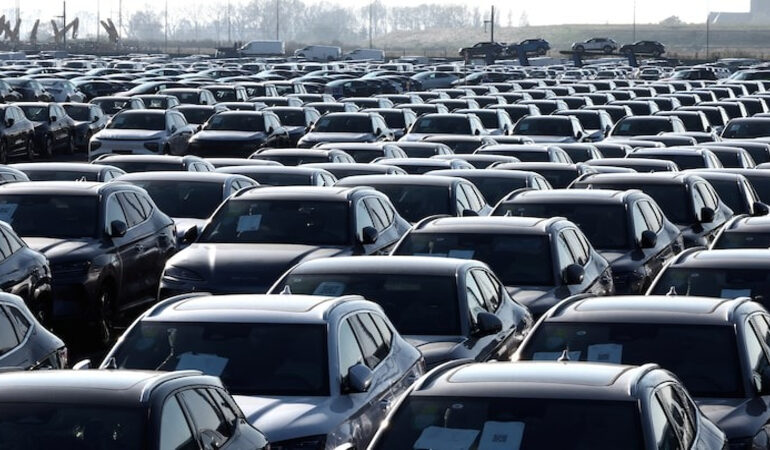
Estimates suggest that reused EV batteries could meet as much as two thirds of China’s grid scale storage requirements over the coming years. The country is the world’s largest EV market, and millions of batteries are expected to reach retirement age over the next decade. Redirecting them into energy storage could significantly reduce the need for newly manufactured grid batteries, lowering costs and easing pressure on raw material supply chains.
Second life battery systems are generally cheaper than new installations because the most expensive part of a battery is its initial manufacture. Reuse also extends the overall lifespan of battery materials, improving resource efficiency and reducing environmental impact. For China, which is seeking both energy security and cleaner growth, this dual benefit is especially attractive.
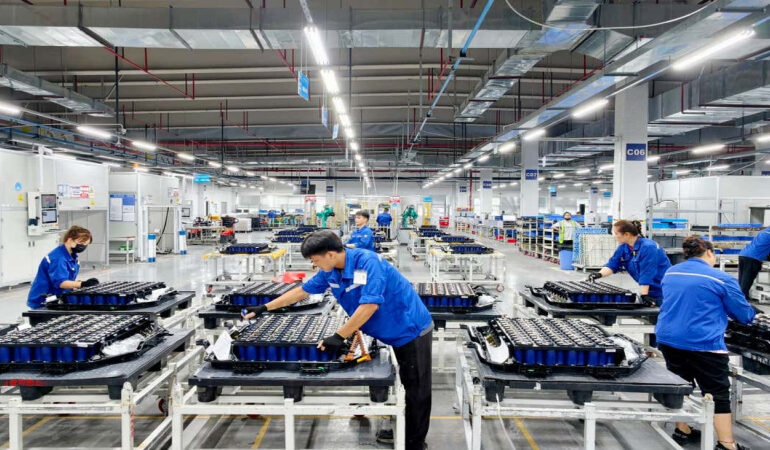
Several pilot projects across the country are already testing the concept. Retired batteries from buses, taxis, and private vehicles are being aggregated into modular storage units connected to renewable energy plants or local distribution networks. These systems can help manage peak loads, support grid stability, and reduce curtailment of wind and solar power that would otherwise go unused.
Challenges remain before large scale deployment becomes routine. Used batteries vary in condition, chemistry, and performance, requiring careful testing, sorting, and management. Safety standards, monitoring systems, and clear regulations are essential to prevent failures and ensure reliability. Industry players are also working to standardise designs so batteries from different manufacturers can be more easily reused.
Policy support is expected to play a key role. China has already encouraged battery recycling and traceability, and experts say clearer frameworks for second life applications could accelerate adoption. Utilities and energy developers are increasingly interested as storage demand grows and cost pressures remain intense.
As China continues to build renewable capacity at record speed, the humble retired EV battery may become a quiet workhorse of the power system. By turning yesterday’s car batteries into tomorrow’s grid assets, China could unlock a practical and scalable path toward a more flexible and resilient energy future.