Rising Chinese Brands Expected to Push Exports Beyond Four Trillion Dollars by 2026, Says Euromonitor
China’s exports are projected to exceed four trillion dollars by 2026, driven by the rapid rise of domestic technology brands and the expansion of artificial intelligence across manufacturing and logistics, according to a new report by Euromonitor International. The findings highlight how China’s evolving digital economy and high-tech industries are reshaping global trade patterns despite external pressures and slowing demand in Western markets.
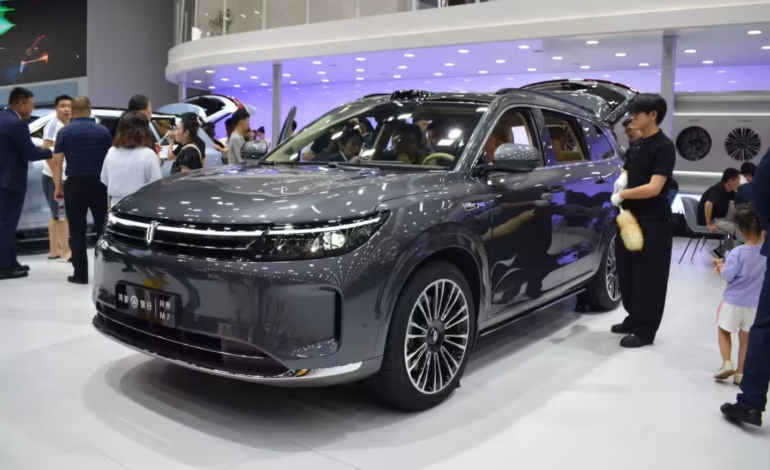
The report identifies several sectors fueling the next wave of export growth, including electric vehicles, consumer electronics, industrial AI systems, and smart manufacturing equipment. Analysts said Chinese companies are no longer competing solely on price but increasingly on innovation, digital integration, and global branding. Brands such as BYD, Haier, Huawei, and DJI have strengthened their international presence through technology-driven upgrades and strategic localization.
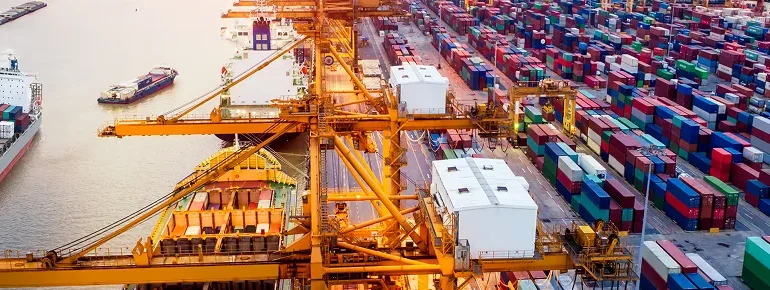
Euromonitor’s forecast reflects a broader transformation in China’s trade model. The country’s focus on AI-enabled production, robotics, and supply chain automation has reduced costs and improved resilience against global disruptions. Local governments have also introduced targeted incentives under the Digital China strategy, supporting exporters that integrate artificial intelligence into manufacturing and logistics platforms.
Industry experts note that Chinese firms are adopting data-driven export management systems that use machine learning for demand prediction and real-time pricing, enabling more efficient overseas operations. This digital shift has helped offset challenges from geopolitical tensions, tariffs, and stricter trade compliance rules. In 2024, China’s exports already reached 3.9 trillion dollars, and analysts expect 2025 to mark a record-breaking year for high-value tech exports.
The government’s policies have reinforced this momentum. The Ministry of Commerce has prioritized digital trade, AI innovation, and cross-border e-commerce as core growth pillars under the 14th Five-Year Plan. Programs that promote blockchain-based customs documentation, digital payment interoperability, and AI-driven logistics management are expected to further streamline export processes.
Companies like Alibaba, JD.com, and Shein are leveraging these frameworks to expand cross-border retail channels. Meanwhile, industrial giants are partnering with AI startups to enhance product quality control, energy efficiency, and predictive maintenance areas that increase competitiveness and global credibility.
Euromonitor’s analysis also points to a shift in brand perception. Surveys across emerging markets show rising consumer trust in Chinese products, especially in sectors like smart home devices, mobile technology, and green energy systems. The strengthening of national brands abroad supports Beijing’s vision to move from a “made in China” identity to a “created in China” innovation brand.
However, the report also warns that export growth will depend on managing data governance, cybersecurity standards, and AI ethics regulations, areas where international cooperation remains limited. China’s policymakers have pledged to enhance transparency and align digital trade norms with global frameworks under the World Trade Organization and G20 Digital Economy Working Group.
As Chinese brands expand globally, the integration of technology, artificial intelligence, and smart supply chain management could mark a defining chapter in China’s economic evolution. If current trends continue, the four-trillion-dollar milestone in exports will not only reaffirm China’s dominance in global trade but also signal its transformation into a digital powerhouse leading the next era of intelligent manufacturing and connected commerce.