Rome Introduces Entry Fee to Get Close to the Trevi Fountain
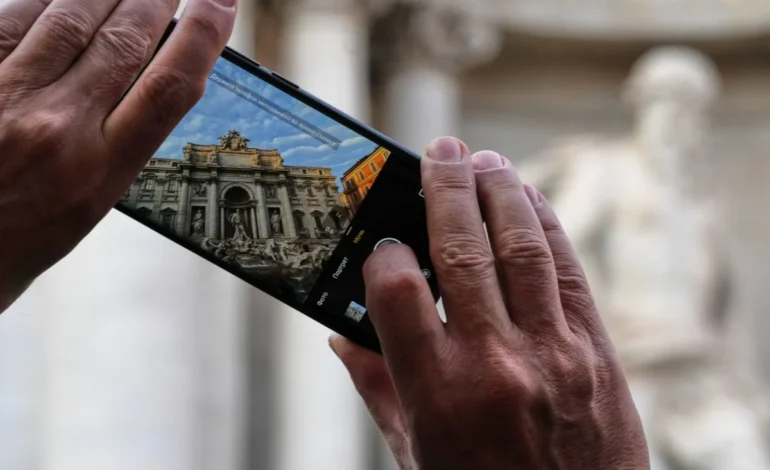
A new approach to managing mass tourism
Rome is preparing to introduce a small entry fee for visitors who want to get close to the iconic Trevi Fountain, marking a notable shift in how the city manages its most crowded attractions. From February 1, tourists wishing to access the immediate area around the fountain will be required to pay two euros. City officials say the move is designed to better regulate visitor flows while also generating funds to support maintenance and public services.
Why the Trevi Fountain is under pressure
Few landmarks attract as much daily foot traffic as the Trevi Fountain. Located in the heart of Rome, the site draws thousands of visitors each day, especially during peak travel seasons. While its popularity is a testament to Rome’s global appeal, it has also created challenges. Overcrowding has raised concerns about safety, preservation of the monument, and the overall visitor experience.
Local authorities have long struggled to balance open access with the realities of mass tourism. The new fee represents an attempt to manage demand without fully restricting access, allowing Rome to maintain its identity as an open city while introducing a degree of structure.
How the new system will work
According to Rome’s mayor Roberto Gualtieri, the payment system will officially begin on February 1. The two euro charge will apply only to visitors who want to enter the immediate viewing zone closest to the fountain. Casual passersby will still be able to see the landmark from surrounding streets without paying.
City officials estimate that the measure could raise around 6.5 million euros per year. These funds are expected to contribute to the upkeep of historic sites and help offset the costs associated with managing heavy tourist traffic in central Rome.
A broader strategy for heritage funding
The Trevi Fountain initiative is part of a wider conversation in Italy about how to fund cultural heritage in an era of record tourism. Maintaining centuries old monuments is expensive, and traditional public funding often falls short. By introducing modest fees at high demand locations, cities hope to create sustainable revenue streams without deterring visitors.
Rome is not alone in exploring such measures. Other European cities have introduced tourist taxes, timed entry systems, or limited access zones to cope with similar pressures. The Trevi Fountain fee reflects Rome’s attempt to adapt these ideas to its own context.
Mixed reactions from tourists and locals
Reactions to the announcement have been mixed. Some visitors see the fee as reasonable, arguing that two euros is a small price to pay for preserving one of the world’s most famous fountains. Others worry that charging for access sets a precedent that could eventually limit the open nature of Rome’s public spaces.
Local residents have also expressed varied views. While some welcome efforts to reduce congestion and improve safety, others fear that the city risks turning everyday public areas into pay to enter zones. City officials have sought to reassure residents that the measure is targeted and limited in scope.
Preserving experience as well as stone
Beyond revenue, officials emphasize that the goal is to improve the visitor experience. Overcrowding often makes it difficult to enjoy the fountain, take photographs, or appreciate its history. By controlling numbers in the closest viewing area, the city hopes to create a calmer and more respectful environment.
This approach reflects a growing recognition that tourism management is not only about protecting monuments physically but also about preserving the quality of cultural encounters.
What this means for future visits to Rome
For travelers planning trips to Rome, the change is unlikely to be a major deterrent. The Trevi Fountain remains freely visible, and the fee applies only to those who want closer access. However, it signals that Rome is willing to experiment with new models to manage its global appeal.
As tourism continues to rebound and grow, the city’s decision could influence how other historic sites approach the challenge of openness versus sustainability.
A small coin for a larger challenge
For centuries, visitors have tossed coins into the Trevi Fountain to ensure a return to Rome. Now, visitors will be asked to contribute before stepping closer. While the fee is modest, it reflects a larger shift in how historic cities respond to the pressures of modern tourism. Rome’s challenge is to protect its heritage without losing the openness that makes it so beloved, and the Trevi Fountain may be the testing ground for that delicate balance.