Rubio Says US Will Not Force Ukraine Into Peace Deal as Europe Joins Miami Talks
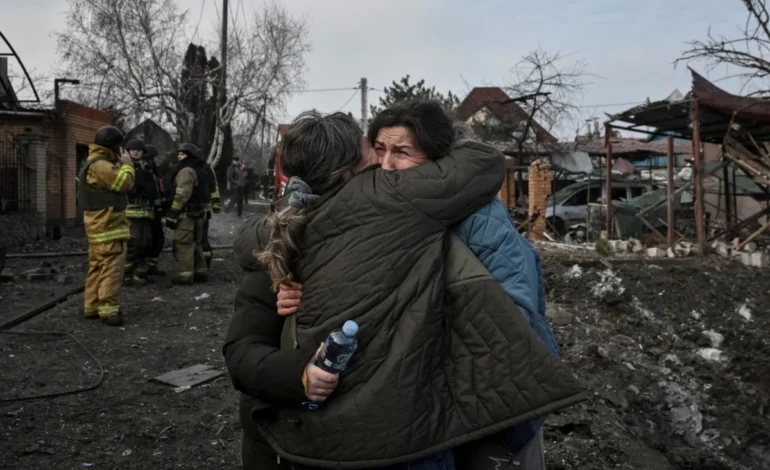
US signals restraint on Ukraine negotiations
The United States will not pressure Ukraine into accepting any agreement to end the war with Russia, US Secretary of State Marco Rubio said on Friday, as American and European officials gathered in Miami for a new round of diplomatic talks. Rubio’s remarks were aimed at reassuring both Kyiv and Washington’s European allies that any future settlement must be driven by Ukraine’s own choices rather than imposed from outside.
Speaking ahead of the weekend meetings, Rubio emphasized that the United States respects Ukraine’s sovereignty and decision making. He said Washington’s role is to support diplomatic pathways and security needs, not to dictate outcomes. The comments come amid ongoing debate over how and when negotiations with Moscow might eventually take place.
European allies step into renewed discussions
The Miami talks brought together senior officials from the United States and several European countries, highlighting the transatlantic coordination that has shaped policy on Ukraine since Russia launched its invasion. European participation reflects growing concern about the long term trajectory of the war, its economic costs, and its implications for regional security.
While details of the discussions were not publicly disclosed, diplomats indicated that the agenda included military assistance, economic support for Ukraine, and diplomatic messaging toward Moscow. European leaders have repeatedly stressed the need for unity with Washington, even as political pressures at home push some governments to explore potential off ramps to the conflict.
Putin doubles down on the war effort
As the Miami talks got underway, Russian President Vladimir Putin struck a defiant tone in his annual news conference. He vowed to continue Russia’s military offensive in Ukraine and praised what he described as battlefield gains nearly four years into the war. Putin’s remarks underscored the gap between diplomatic discussions among Ukraine’s supporters and Moscow’s current posture.
By highlighting territorial advances and military momentum, the Kremlin signaled that it sees little incentive to compromise in the near term. This stance complicates efforts by Western governments to imagine a negotiated settlement, especially one that Ukraine could accept without significant concessions.
Balancing diplomacy and deterrence
Rubio’s statement reflects a delicate balancing act for the United States. On one hand, Washington wants to keep diplomatic channels open and avoid being seen as blocking peace efforts. On the other, it is wary of any agreement that could reward aggression or undermine Ukraine’s security.
By explicitly rejecting the idea of forcing a deal, Rubio aimed to counter narratives that the United States might push Kyiv toward negotiations to ease its own strategic or domestic pressures. The message was also directed at European partners, some of whom face growing public fatigue over the war and rising defense spending.
Ukraine’s agency at the center
At the heart of Rubio’s remarks was an insistence that Ukraine must remain in control of its own future. US officials have repeatedly said that decisions about negotiations, territory, and security guarantees belong to Kyiv alone. This principle has become a cornerstone of Western policy, even as allies privately debate how realistic Ukraine’s war aims remain.
For Ukraine, assurances of agency are critical to maintaining domestic morale and international legitimacy. Any perception that allies are negotiating over its head could weaken trust and cohesion at a time when military and economic support remain vital.
The wider geopolitical context
The Miami talks take place against a backdrop of shifting global dynamics. Prolonged conflict has strained Western unity, tested defense industries, and reshaped relations with countries outside Europe and North America. Russia’s alignment with non Western partners and Ukraine’s deepening integration with the West have further polarized the international system.
In this environment, statements like Rubio’s are as much about signaling as substance. They seek to reassure allies, deter adversaries, and manage expectations about what diplomacy can realistically achieve in the near term.
Uncertain path ahead
Despite renewed talks and firm public statements, the path to ending the war remains unclear. Russia’s continued offensive and Ukraine’s determination to resist leave little room for immediate compromise. The Miami discussions are unlikely to produce breakthroughs, but they underscore ongoing efforts to coordinate strategy and keep diplomatic options alive.
For now, Rubio’s message is clear. The United States will support Ukraine but will not compel it into a settlement it does not choose. As long as battlefield realities and political positions remain far apart, diplomacy will continue alongside war, with no easy resolution in sight.