Self-Driving Delivery Drones in Logistics
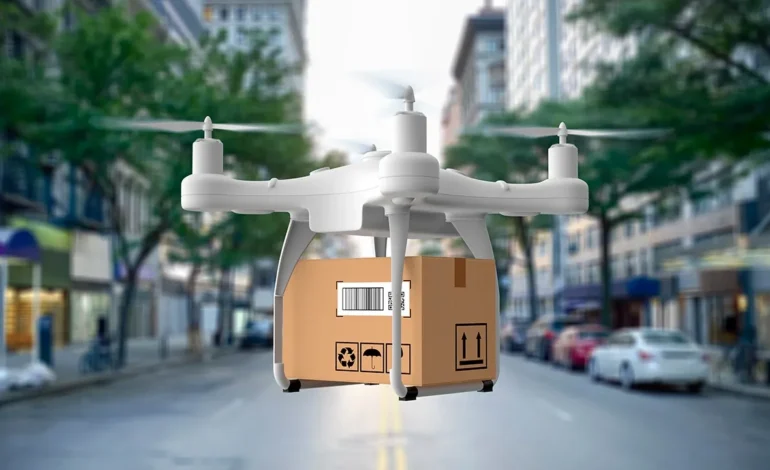
China is at the forefront of deploying self-driving delivery drones to revolutionize urban and regional logistics. By 2025, drone technology has matured to enable autonomous delivery of packages, medical supplies, and critical industrial components. These drones operate in densely populated cities, suburban areas, and industrial zones, offering faster, more efficient, and environmentally friendly delivery solutions. Self-driving drones are part of China’s broader logistics modernization strategy, integrating with smart city infrastructure, AI-based traffic management systems, and e-commerce platforms. This blog examines the growth, technological innovations, operational frameworks, and implications of self-driving delivery drones in Chinese logistics.
Government Policies and Regulatory Frameworks
Government support is central to drone logistics deployment. National aviation authorities and municipal governments have implemented regulations for flight safety, airspace management, and drone certification. Policies also include designated drone corridors, licensing protocols, and privacy guidelines for urban operations. Incentives are provided for companies investing in drone R&D, fleet expansion, and infrastructure development. In 2025, regulatory frameworks are designed to balance operational efficiency with safety, public acceptance, and environmental considerations.
Technological Advancements in Drone Systems
Self-driving delivery drones rely on multiple technologies for safe and efficient operation. High-precision GPS, LiDAR, radar, and optical sensors provide obstacle detection and navigation capabilities. AI-based flight control systems process sensor data in real-time, enabling drones to avoid collisions, adapt to changing weather conditions, and optimize delivery routes. Advanced battery technology and lightweight materials extend flight range, improve payload capacity, and enhance energy efficiency. Autonomous drones also integrate with cloud-based fleet management platforms for real-time monitoring and analytics.
Integration with Smart Logistics Networks
Delivery drones are increasingly integrated into China’s smart logistics networks. Warehouses, distribution centers, and e-commerce hubs use AI and IoT platforms to schedule drone dispatch, track packages, and optimize delivery routes. Data from drones feeds into centralized systems that monitor fleet performance, energy consumption, and traffic patterns. Integration with smart city infrastructure, including digital mapping and air traffic monitoring, ensures seamless operation in urban environments while minimizing disruptions and maintaining safety standards.
Operational Efficiency and Urban Deployment
Self-driving drones enhance operational efficiency by reducing delivery times and labor costs. In densely populated urban areas, drones can bypass traffic congestion, reaching destinations faster than ground vehicles. For last-mile delivery, drones provide reliable service for small packages, medical supplies, and perishable goods. In suburban and industrial zones, drones facilitate rapid transport of high-value or time-sensitive materials. Companies use AI-based route optimization to reduce energy consumption, avoid restricted zones, and maintain predictable delivery schedules.
Fleet Management and Automation
Managing large fleets of delivery drones requires robust software and automation systems. Operators use AI algorithms to assign delivery tasks, monitor battery levels, schedule maintenance, and predict potential operational risks. Automated dashboards provide real-time visibility into drone location, package status, and environmental conditions. Fleet management systems also coordinate with other logistics assets, including autonomous ground vehicles and human delivery personnel, ensuring a fully integrated, multi-modal delivery ecosystem.
Environmental and Sustainability Benefits
Delivery drones offer significant environmental advantages compared to traditional logistics methods. Electric-powered drones reduce reliance on fossil fuels and lower carbon emissions, particularly in urban delivery networks. Energy-efficient flight planning minimizes battery consumption, while the use of lightweight materials further reduces energy requirements. In addition, drones reduce the number of delivery trucks on city roads, contributing to decreased traffic congestion, improved air quality, and lower noise pollution. These benefits align with China’s broader sustainability goals for urban mobility and industrial operations.
Medical and Emergency Applications
Self-driving delivery drones are increasingly deployed in critical sectors such as healthcare and disaster response. Drones can transport medical supplies, vaccines, and diagnostic samples to remote or congested urban areas within minutes. During emergencies or natural disasters, autonomous drones provide rapid delivery of essential items where traditional transport may be delayed or blocked. Integration with AI systems allows drones to prioritize deliveries based on urgency, location, and operational constraints, enhancing responsiveness and efficiency in emergency logistics.
Challenges and Limitations
Despite their advantages, delivery drones face operational challenges. Limited flight range, battery life constraints, and payload capacity restrict drone applications to certain types of deliveries. Urban environments present risks from weather, tall buildings, and electromagnetic interference. Regulatory compliance, public safety, and airspace management require continuous monitoring and adaptation. Companies also face challenges in integrating drone operations with traditional logistics systems and ensuring interoperability across multiple platforms. Pilot programs help identify these limitations and refine operational strategies for scalability.
Industry Adoption and Commercial Expansion
Leading Chinese technology companies and e-commerce platforms, including JD.com, SF Express, and Cainiao, are investing heavily in drone logistics. In 2025, commercial adoption expands to cover urban residential deliveries, industrial parts supply, and healthcare logistics. Companies develop proprietary drone models optimized for range, payload, and safety. Partnerships with local governments and smart city authorities facilitate operational permissions, drone corridors, and infrastructure development. This growth demonstrates the commercial viability and transformative potential of autonomous delivery drones in modern logistics networks.
Future Outlook
Looking ahead, self-driving delivery drones are expected to become integral to China’s logistics and urban mobility ecosystems. Advancements in battery technology, AI-based navigation, and autonomous coordination will extend operational range and efficiency. Expansion into tier-2 and tier-3 cities, rural areas, and industrial zones will broaden applications beyond urban centers. Integration with autonomous ground vehicles, smart warehouses, and AI logistics platforms will create fully automated supply chains. As technology matures, self-driving drones will enhance speed, safety, and sustainability, redefining delivery logistics in China and setting global benchmarks.
Conclusion
Self-driving delivery drones are transforming logistics in China by enabling faster, more efficient, and sustainable delivery solutions. Through technological innovation, smart infrastructure integration, and supportive government policies, drones are reshaping urban and industrial logistics operations. While challenges remain in range, regulation, and integration, continued investment and pilot programs demonstrate the scalability and potential of autonomous delivery systems. By 2025, self-driving delivery drones are not only enhancing operational efficiency but also contributing to China’s broader smart city and sustainable mobility initiatives, paving the way for a more connected, responsive, and environmentally friendly logistics ecosystem.