Semiconductor Fabrication Expansion Across China
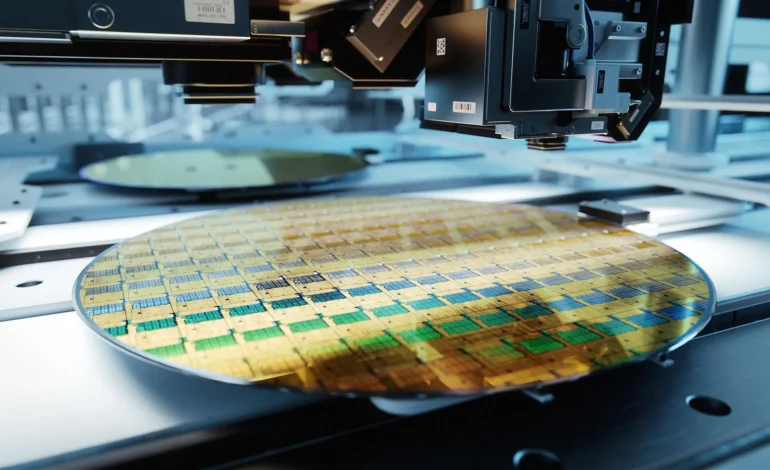
China’s semiconductor industry is experiencing rapid expansion, with semiconductor fabrication plants or fabs emerging as critical infrastructure for technology independence and economic growth. By 2025, China will be scaling up domestic fabrication capacity to produce advanced logic chips, memory, and AI processors. The expansion encompasses large-scale industrial clusters, integrated supply chains, and investment in cutting-edge manufacturing technologies. This blog explores the drivers, strategic planning, technological advancements, and challenges associated with China’s semiconductor fabrication expansion.
National Strategic Objectives
Semiconductor fabrication expansion aligns with China’s broader national objectives of technological self-reliance, economic security, and global competitiveness. By increasing domestic capacity, China aims to reduce dependence on foreign suppliers for high-performance chips. Policies prioritize advanced logic nodes, memory chips, and AI-specific processors to support domestic innovation and meet growing demand in consumer electronics, automotive, industrial automation, and defense applications. Expansion of fabs is central to achieving these strategic goals.
Government Policy Support
Government initiatives provide critical support for fab expansion. Incentives include subsidies, low-interest loans, tax breaks, and preferential land use for industrial clusters. National and provincial policies encourage investment in R&D, advanced process technologies, and domestic equipment development. Regulatory frameworks streamline approvals for fab construction and operation, ensuring compliance with safety, environmental, and operational standards. Policy support accelerates capacity expansion while mitigating financial and technical risks.
Industrial Clusters and Regional Expansion
China’s fabs are concentrated in industrial clusters across provinces such as Jiangsu, Guangdong, Shanghai, and Fujian. These clusters integrate fabrication facilities, R&D centers, suppliers, and logistics networks. By co-locating fabs and supporting industries, China achieves economies of scale, rapid knowledge transfer, and efficient production workflows. Regional expansion enables strategic geographic distribution, reducing risks from natural disasters, supply chain disruptions, and localized bottlenecks.
Technology and Process Node Development
Expanding fabrication capacity is accompanied by technological advancement. Chinese fabs are deploying advanced process nodes, including 14nm, 7nm, and pilot 5nm lines for logic and AI chips. Investments in lithography, etching, deposition, and packaging technologies enhance yield, efficiency, and product quality. Domestic development of equipment, materials, and process control systems supports independent manufacturing capabilities. By 2025, technology upgrades ensure that China’s fabs remain competitive in high-performance semiconductor production.
Integration with R&D and Innovation
Fabs are closely integrated with R&D initiatives, enabling rapid iteration, testing, and scaling of new semiconductor designs. Collaboration between fabs, universities, and research institutes drives innovation in materials, lithography, and AI-optimized chip production. Continuous R&D improves process reliability, enhances yield, and supports the fabrication of next-generation devices. Integration of research and manufacturing ensures that China’s semiconductor industry remains at the forefront of global technological trends.
Workforce Development and Talent Management
Expanding fabs requires skilled engineers, technicians, and operators. China invests in workforce development through specialized universities, vocational programs, and in-house training at fabs. Talent pipelines focus on lithography, wafer processing, quality control, and automation. Adequate staffing ensures operational efficiency, high yields, and the ability to scale production. Workforce development is essential for maintaining technological competitiveness and sustaining fab expansion over the long term.
Supply Chain Integration
Fabs rely on integrated supply chains for raw materials, equipment, chemicals, and components. Proximity to suppliers, vertical integration, and coordinated logistics networks reduce production delays, improve cost efficiency, and enhance reliability. China’s fab clusters often include local suppliers for photoresists, high-purity silicon, and specialty gases, minimizing dependency on imports and ensuring consistent operational capacity. Supply chain integration supports scalability and resilience in domestic semiconductor production.
Environmental and Sustainability Considerations
Semiconductor fabs are resource-intensive, consuming energy, water, and chemicals. China emphasizes environmental standards in fab construction and operation, including energy efficiency, water recycling, chemical waste management, and emissions control. Adoption of green manufacturing practices ensures sustainable expansion and compliance with regulatory requirements. Environmental considerations also enhance international credibility, particularly in export markets sensitive to sustainability standards.
Economic and Strategic Impacts
The expansion of fabs has profound economic and strategic implications. Increased domestic chip production reduces import reliance, supports high-tech industries, and strengthens national technology security. Fabs stimulate local economies through job creation, industrial investment, and infrastructure development. Strategically, expanded fabrication capacity positions China as a global player in semiconductors, influencing supply chains, pricing, and technological standards.
Challenges in Fab Expansion
Despite progress, fab expansion faces challenges including high capital investment, access to advanced equipment, supply chain vulnerabilities, and technical complexity. Environmental compliance, energy consumption, and skilled workforce shortages require careful planning and mitigation. Collaborative strategies, government support, and incremental scaling help overcome these barriers, ensuring sustainable and effective expansion.
Global Competitiveness and Market Position
China’s fab expansion strengthens global competitiveness by increasing production capacity, technological capability, and supply chain resilience. Domestic fabs can meet rising demand for consumer electronics, automotive semiconductors, AI processors, and industrial applications. Expansion also enables exports, international partnerships, and participation in global R&D networks. By 2025, China’s fab network plays a critical role in global semiconductor supply and technological leadership.
Future Outlook
By 2025 and beyond, China’s semiconductor fabs are expected to continue scaling production, upgrading technology, and expanding geographic distribution. Next-generation nodes, advanced packaging, and AI-optimized production lines will enhance efficiency and yield. Integration with smart factories, industrial automation, and advanced R&D ensures continuous innovation. Strategic expansion of fabs positions China to achieve technological self-reliance, meet domestic and global demand, and secure a leading role in the global semiconductor industry.
Conclusion
The expansion of semiconductor fabs across China is transforming the domestic technology landscape. By combining strategic planning, government support, technological innovation, workforce development, and supply chain integration, China is rapidly increasing domestic fabrication capacity. Environmental compliance, economic impact, and global competitiveness reinforce the strategic importance of fabs. By 2025, expanded fabrication capabilities support high-performance chip production, technological self-reliance, and China’s position as a global leader in semiconductors.