Seven Killed After Saudi Air Strikes Hit UAE Backed Separatists During Yemen Operation
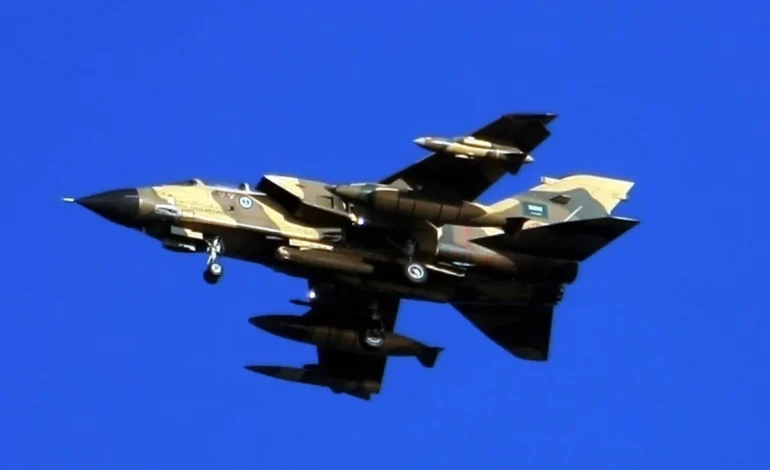
At least seven people have been killed after Saudi led air strikes targeted UAE backed separatist forces in southern Yemen, according to local officials, casting doubt over claims that a planned operation to retake military camps would be carried out peacefully. The strikes reportedly came just minutes after pro Saudi forces announced a non violent approach, prompting accusations of deception and further highlighting the fragility of alliances within Yemen’s long running conflict.
Separatist sources said the air strikes hit positions held by the Southern Transitional Council in a contested area where pro Saudi government forces had earlier declared their intention to regain control of camps without the use of force. Witnesses reported hearing multiple explosions, while local medical sources said at least seven fighters were killed and several others wounded.
The operation was presented by pro Saudi commanders as a stabilising step aimed at restoring order rather than escalating violence. However, the sudden air strikes quickly undermined that message. Southern separatist leaders accused Riyadh of acting in bad faith, saying the promise of a peaceful takeover was used to lower defences before the attacks were launched.
Saudi Arabia has not immediately issued a detailed response addressing the accusations. In previous incidents, the Saudi led coalition has said air operations are conducted to counter threats to regional security and to support Yemen’s internationally recognised government. The coalition has also maintained that its actions are coordinated with allies, including the United Arab Emirates, although relations between their respective local partners have often been strained.
The Southern Transitional Council, which seeks independence or autonomy for southern Yemen, is backed by the UAE and has clashed repeatedly with forces loyal to President Rashad al-Alimi and the Saudi supported government. While both sides oppose the Houthi movement, rival ambitions and control over territory have led to frequent infighting, particularly in the south.
Analysts say the latest incident underscores the complex and often contradictory nature of Yemen’s war, where shifting alliances can turn partners into adversaries with little warning. Despite years of international mediation, Yemen remains fragmented, with multiple armed groups controlling different regions and pursuing competing political goals.
The strikes also raise concerns about the impact on civilians in nearby areas. Although separatist sources said the casualties were fighters, local residents reported fear and displacement following the explosions. Aid groups have repeatedly warned that renewed fighting in southern Yemen could worsen humanitarian conditions in a country already suffering from widespread poverty, food insecurity, and damaged infrastructure.
Saudi Arabia has in recent months promoted its role in supporting peace efforts in Yemen, including backing talks aimed at ending the conflict with the Houthis. However, critics argue that continued military actions against other Yemeni factions risk undermining those diplomatic initiatives and prolonging instability.
For the Southern Transitional Council, the incident has reinforced mistrust toward Riyadh, even as the group remains formally aligned with the Saudi backed government framework. Separatist leaders said the air strikes would not deter their political objectives and vowed to defend their positions if further attacks occur.
As Yemen’s conflict enters another uncertain phase, the deadly strikes serve as a reminder that declarations of peaceful intent offer little reassurance on the ground. With internal divisions deepening and foreign involvement continuing, prospects for lasting stability remain fragile, and ordinary Yemenis continue to bear the heaviest cost of shifting power struggles.