Shanghai reveals ambitious blueprint for a new era of AI powered dining
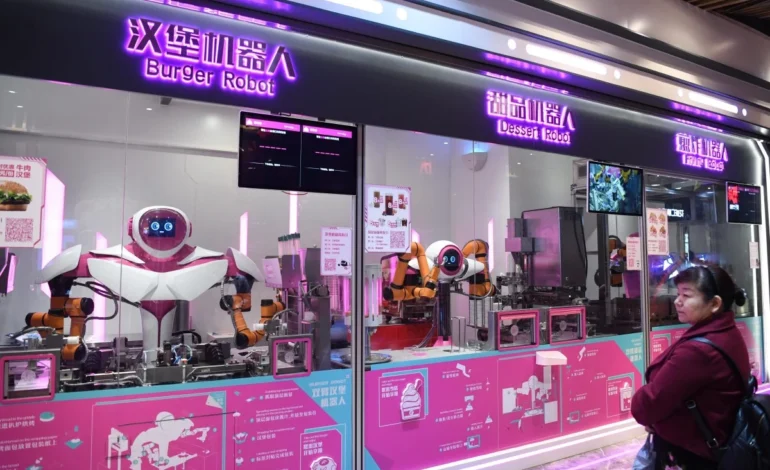
Shanghai is positioning itself at the forefront of a dramatic shift in the way people will experience dining in the future. The city has unveiled an ambitious blueprint for what officials describe as a new era of AI powered dining where automated kitchens robot servers data driven menus and intelligent supply chain systems work together to redefine how restaurants operate. The plan aligns with Shanghai broader strategy of becoming a national and global innovation centre for smart city development.
Over the past several months automated tools in the catering industry have become a widely debated topic across China. As labour costs rise and consumer expectations change the food service sector is under pressure to embrace technology driven solutions. Shanghai move signals a clear commitment to accelerating this transition and shaping future standards for digital restaurants across the country.
A Vision for a Smart Restaurant Capital
City planners have set a clear target. By 2028 Shanghai aims to become a nationally leading world class base for smart dining. This means integrating artificial intelligence into every element of food service from kitchen production lines to customer facing functions. Officials believe that by building a sophisticated ecosystem supported by advanced robotics data analytics and automated equipment the city can set the tone for a new generation of dining innovation.
Analysts expect that the initiative will have far reaching implications. Shanghai is home to a vast and diverse restaurant landscape ranging from small family run eateries to major catering groups. By promoting the adoption of AI tools across this spectrum the city is likely to influence how thousands of businesses approach operations food quality and customer engagement.
Automated Kitchens Set to Transform Production
A key feature of the plan is the development of automated kitchens capable of preparing meals with precision efficiency and consistency. Robotics companies in China have already demonstrated prototypes of cooking robots that can fry stir chop and season dishes with minimal human involvement. Under Shanghai plan these technologies will be scaled and integrated into commercial kitchens across the city.
Automated systems are expected to help restaurants reduce waste control food safety risks and maintain stable production during peak hours. For larger chains automation can help standardise taste across multiple locations. For smaller eateries advanced tools could lower operational burdens and create new efficiencies that help them remain competitive.
Robot Servers and Smarter Customer Interfaces
Beyond the kitchen Shanghai blueprint also focuses on transforming front of house operations. Robot servers interactive ordering systems and AI enabled customer service platforms will become increasingly common. Many restaurants in the city already use robots for simple delivery tasks but the new plan encourages experiments with more flexible and interactive service functions.
AI driven menus will analyse customer preferences dietary patterns and seasonal data to recommend dishes and adjust offerings dynamically. Such tools can help restaurants personalise experiences while improving supply planning and reducing overstock. As digital payments remain widespread in China restaurants are also expected to adopt new frictionless checkout methods that reduce wait times and improve overall efficiency.
Data Driven Supply Chains for a New Food Ecosystem
One of the most transformative aspects of the initiative involves intelligent supply chain systems that connect farmers suppliers distributors and restaurants through unified digital platforms. Advanced tracking systems will allow restaurants to monitor ingredient availability in real time while predictive algorithms anticipate demand and reduce shortages.
This data driven approach can improve food safety transparency and sustainability across the catering sector. Analysts believe that supply chain intelligence will become a central pillar of Shanghai smart dining model ensuring that technological upgrades in restaurants are supported by equally advanced systems upstream.
A Potential Reshaping of China Food Service Industry
If successful Shanghai strategy could trigger a major restructuring across China broader catering industry. Automation has the potential to shift labour demand emphasising roles related to system management maintenance customer engagement and high level culinary design. At the same time restaurants that embrace AI will be able to scale more quickly reduce operational risks and adapt faster to market changes.
Cities across China are watching closely as Shanghai experiments with these new models. The combination of strong industry support government backing and technological capability positions Shanghai as a natural leader in this field. As the initiative progresses it may serve as a template for other major Chinese cities seeking to modernise their own food service ecosystems.