Shenzhen North Railway Station sees record passenger volumes
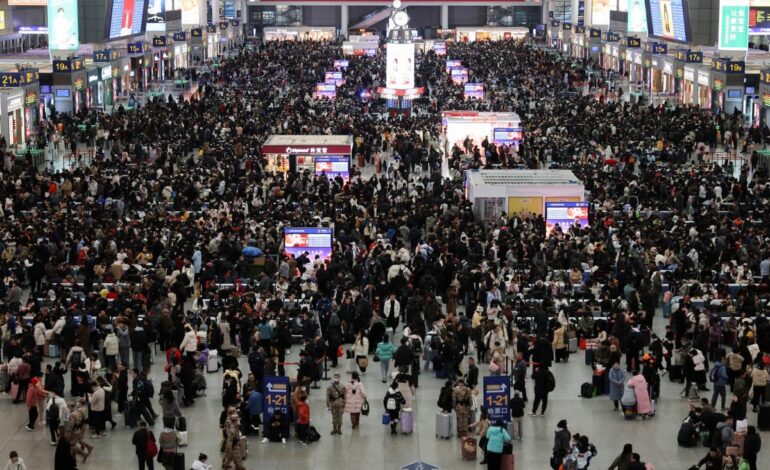
Shenzhen’s main high speed rail hub has set a new travel record, handling more than 116 million passenger trips in the first eleven months of 2025. The surge highlights the continued recovery and expansion of rail travel across China’s major cities, as well as growing cross border movement between the mainland and Hong Kong. The figures underline Shenzhen’s role as one of the country’s busiest and most strategically important transport centres.
Steady growth in rail travel demand
According to data from China State Railway Group cited by local media, Shenzhen North Railway Station recorded a total passenger flow of 116.6 million journeys between January and November. This marked an increase of 8.8 percent compared with the same period last year. The growth reflects rising demand for high speed rail as travellers increasingly favour trains for both business and leisure trips.
Rail operators across China have reported similar trends, with improved services, expanded routes, and competitive travel times helping to attract passengers back in large numbers. For fast growing cities like Shenzhen, rail connectivity remains a critical part of urban mobility and regional integration.
A key hub in southern China
Shenzhen North is one of the two largest high speed rail hubs in Guangdong province, serving as a major gateway linking the city with destinations across the country. The station plays a central role in connecting the Pearl River Delta with other economic regions, including the Yangtze River Delta and the Beijing Tianjin corridor.
Its design and capacity allow it to handle high volumes of long distance and intercity traffic, making it a vital node in China’s national rail network. As Shenzhen continues to expand as a technology and financial centre, the importance of efficient transport infrastructure has only grown.
Cross border travel with Hong Kong picks up
One of the key drivers behind the rise in passenger numbers has been the recovery of travel between Hong Kong and the mainland. Shenzhen North is among the mainland stations connected to Hong Kong’s West Kowloon terminus, providing seamless high speed rail links across the border. As cross border travel has normalised, passenger flows on these routes have increased steadily.
For commuters, tourists, and business travellers, the rail connection offers a fast and convenient alternative to road crossings. The renewed momentum in Hong Kong mainland travel has reinforced Shenzhen’s position as a bridge between the two economies.
High speed rail reshapes travel habits
China’s high speed rail network has fundamentally changed how people move between cities. Journeys that once required flights or overnight trains can now be completed in a matter of hours. This convenience has encouraged more frequent travel and supported closer economic and social ties between regions.
Shenzhen North’s performance illustrates how demand continues to grow as the network matures. The station’s rising passenger numbers suggest that rail remains a preferred option even as other forms of transport recover.
Pressure on infrastructure and services
Handling more than one hundred million passengers in less than a year also places significant pressure on station operations. Crowd management, punctuality, and service quality become increasingly important as volumes rise. Railway authorities have invested in smarter scheduling, digital ticketing, and improved station facilities to cope with demand.
Maintaining efficiency while ensuring a positive passenger experience will remain a priority as travel volumes continue to increase.
A sign of broader urban mobility trends
The record figures at Shenzhen North reflect wider trends in China’s urban mobility. As cities grow denser and environmental concerns gain prominence, rail travel offers a relatively efficient and lower carbon option. High speed rail also supports regional development by making it easier for people to live in one city and work or do business in another.
Momentum expected to continue
With strong demand across major routes and increasing cross border travel, passenger volumes at Shenzhen North are expected to remain high. The station’s performance in 2025 underscores its importance not only to Shenzhen but to southern China as a whole. As rail infrastructure continues to expand and improve, hubs like Shenzhen North are likely to play an even greater role in shaping how people move across the region.