Signs grow of renewed cross strait dialogue as CCP and KMT explore political channel
China’s Communist Party and Taiwan’s Kuomintang appear to be moving closer to reviving a long dormant political communication channel, raising fresh questions about the future shape of cross strait relations at a time of heightened tension between Beijing and Taipei.
According to people familiar with the discussions, the two sides are in the final stages of talks to relaunch an inter party forum that was suspended nine years ago. The channel, which previously served as a platform for unofficial dialogue, helped manage relations during periods when formal government to government contact was limited or politically sensitive.
The talks involve representatives linked to the Communist Party of China and Taiwan’s opposition party, the Kuomintang. While neither side has publicly confirmed a timeline, signals from both camps suggest momentum has been building quietly behind the scenes.
The original forum played a role in easing tensions during earlier phases of cross strait engagement, focusing on economic cooperation, people to people exchanges and shared historical narratives. Its suspension reflected the deterioration of relations after political shifts in Taiwan and growing distrust between Beijing and the island’s governing authorities.
A revived channel would not represent official negotiations between governments, but analysts say it could function as a stabilising mechanism. By allowing political figures to exchange views informally, both sides could reduce misunderstandings and test ideas without the pressure of formal commitments.
For Beijing, engagement with the KMT aligns with its long standing strategy of working with political forces in Taiwan that support closer ties with the mainland. The KMT has historically favoured dialogue and economic integration, even as it insists on safeguarding Taiwan’s democratic system and autonomy.
For the KMT, renewed communication with the mainland offers a chance to present itself as a responsible actor capable of managing cross strait relations more predictably. With Taiwan’s domestic politics deeply polarised, the party may see the forum as a way to differentiate its approach from that of the ruling Democratic Progressive Party.
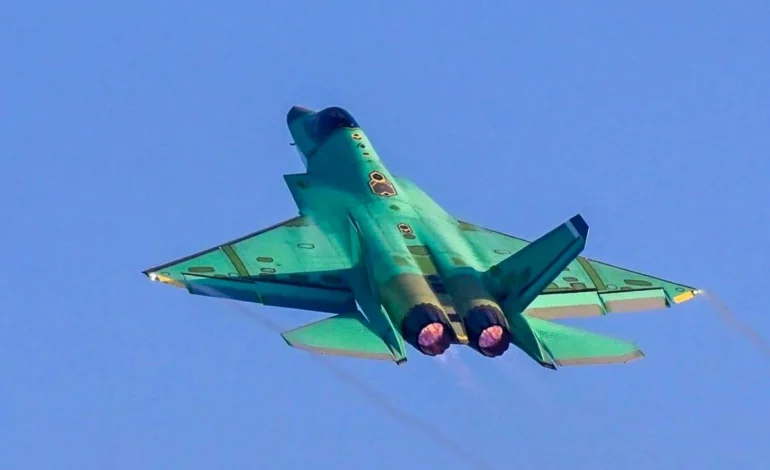
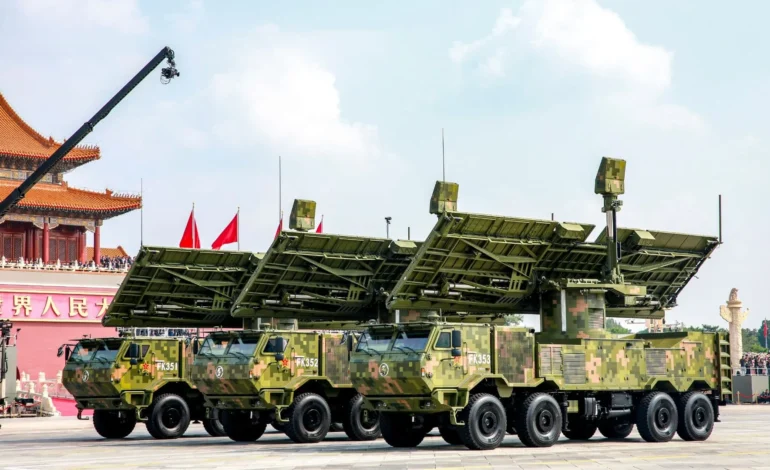
The potential revival comes against a backdrop of growing military pressure and diplomatic strain. Beijing has increased its military activity around Taiwan, while Taipei has strengthened security ties with the United States and other partners. In this environment, even limited political dialogue carries symbolic weight.
Observers caution, however, that expectations should remain modest. Any inter party forum would operate under significant constraints, shaped by public opinion in Taiwan and Beijing’s insistence on core political principles. Sensitive issues such as sovereignty and security are unlikely to be resolved through such a channel alone.
Still, the timing suggests both sides may be seeking guardrails to prevent further escalation. With regional stability increasingly fragile, informal communication channels can play an outsized role in crisis management.
Whether the talks lead to a formal announcement or remain discreet, their existence points to a shared recognition that complete silence carries risks. As cross strait dynamics grow more complex, the reemergence of political dialogue, even at a party to party level, could signal a cautious attempt to keep lines of communication open amid uncertainty.