
Singapore weighs unprecedented move that could strip Pritam Singh of opposition leader role
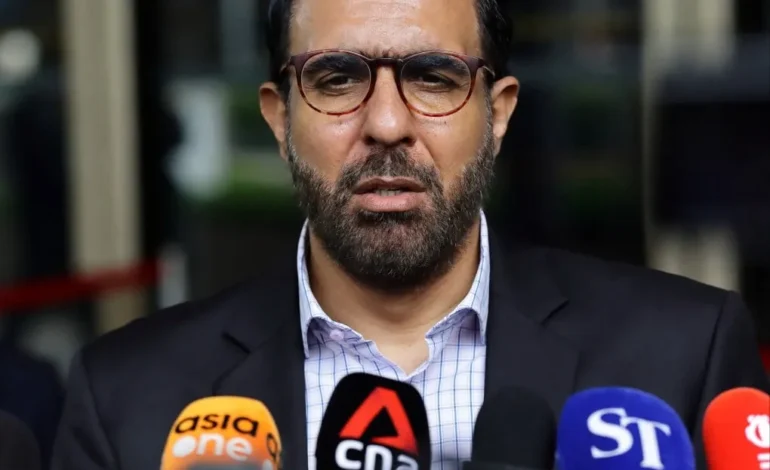
Singapore’s parliament is set to debate the suitability of Workers’ Party chief Pritam Singh as Leader of the Opposition next week, a move that could result in him being removed from the post and losing the privileges attached to it, marking an unprecedented moment in the city state’s political history.
Pritam Singh became Singapore’s first officially designated Leader of the Opposition after the 2020 general election, when the Workers’ Party won 10 parliamentary seats. The position was created by the ruling government to formalise the role of the opposition and provide additional resources to strengthen parliamentary scrutiny.
The upcoming debate stems from concerns raised over Singh’s conduct in parliament and questions about whether his actions meet the standards expected of someone holding the role. While details are expected to be discussed during the parliamentary session, the focus will be on whether he continues to command the confidence required to represent the opposition in a formal leadership capacity.
If Singh is removed, it would be the first time Singapore has taken such a step since the role was established. The Leader of the Opposition receives additional allowances, staffing support and institutional recognition, all of which are intended to enhance policy debate and accountability within parliament.
The situation places both the government and the opposition under intense public scrutiny. For the ruling People’s Action Party, the debate carries implications for how political discipline and parliamentary standards are enforced. For the opposition, it raises questions about political balance, institutional independence and the future of formal opposition roles in Singapore’s tightly managed political system.
Singh, who also serves as secretary general of the Workers’ Party, has denied wrongdoing and has previously said he acted in good faith. Supporters argue that removing him would weaken parliamentary pluralism and could discourage robust debate. Critics counter that holding an elevated role requires strict adherence to parliamentary norms and that accountability applies regardless of political affiliation.
The issue also has broader implications for Singapore’s evolving political landscape. The creation of the Leader of the Opposition post was widely seen as a milestone in the country’s gradual political opening, acknowledging the growing role of opposition voices. Any decision to revoke the title could shape public perceptions of how durable that change really is.
Political observers note that Singapore’s system places heavy emphasis on institutional credibility and public trust. A parliamentary debate, rather than an executive decision, suggests an attempt to anchor the outcome within formal procedures rather than political discretion.
Regardless of the outcome, the debate signals a new phase in Singapore’s political development, where opposition leadership is no longer informal but subject to defined expectations and scrutiny. It also highlights how Singapore continues to test the boundaries of its carefully calibrated political framework.
As lawmakers prepare to debate Singh’s future in the role, attention will focus not only on his individual case but also on what the decision means for the role of opposition politics in Singapore going forward.



