Smart City Initiatives in Tier-2 Chinese Cities
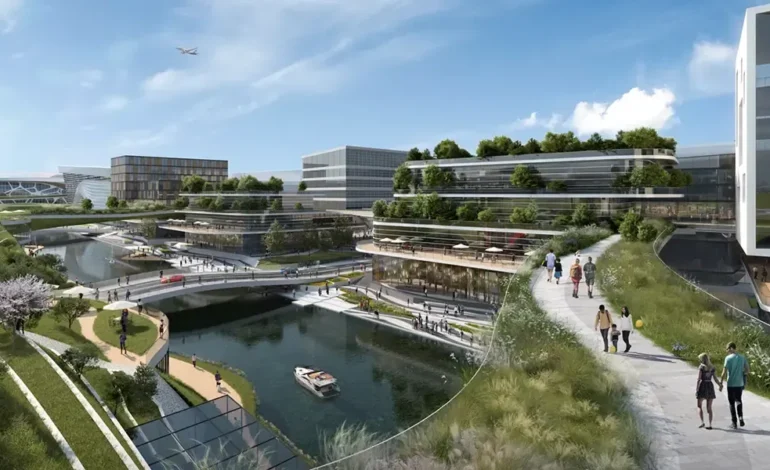
China’s smart city initiatives have traditionally focused on megacities such as Beijing, Shanghai, and Shenzhen. However, Tier-2 cities’ urban areas with populations ranging from 1 to 5 million are emerging as important hubs for smart city innovation. These cities are implementing digital infrastructure, Internet of Things (IoT) integration, intelligent transportation systems, and AI-driven governance to enhance urban efficiency, sustainability, and quality of life. By adopting scalable, cost-effective technologies, Tier-2 cities demonstrate how smart urbanization can be achieved beyond China’s largest metropolitan centers.
Government Policy and Strategic Support
The Chinese government’s national urban development strategy encourages smart city development across all tiers of cities. Policy frameworks emphasize digital infrastructure, data-driven governance, and sustainable urban planning. The Ministry of Housing and Urban-Rural Development and the Ministry of Industry and Information Technology provide funding, technical guidelines, and pilot programs for Tier-2 city projects. Strategic goals include improving urban services, reducing environmental impact, and enhancing citizen engagement through digital platforms.
Digital Infrastructure and IoT Integration
Tier-2 cities are investing in digital infrastructure to enable IoT connectivity, data collection, and intelligent management. Smart sensors, fiber-optic networks, and cloud computing platforms form the backbone of these systems. IoT devices monitor traffic flows, air quality, energy usage, and public utilities. Data from these devices is aggregated and analyzed using AI algorithms to optimize resource allocation, enhance service delivery, and support urban planning. This integration ensures that Tier-2 cities can implement advanced solutions at a fraction of the cost of megacity deployments.
Intelligent Transportation Systems
Transportation is a key focus for Tier-2 smart cities. AI-powered traffic management systems optimize traffic signals, reduce congestion, and enhance public transport scheduling. Smart parking solutions guide drivers to available spaces in real time, while integrated mobile apps provide citizens with route planning and transit updates. Intelligent transportation networks improve mobility, reduce carbon emissions, and enhance urban livability. Tier-2 cities leverage data-driven approaches to implement solutions that are both scalable and cost-effective.
Energy Management and Sustainability
Smart energy grids are central to Tier-2 city initiatives. AI and IoT systems monitor electricity consumption, optimize distribution, and integrate renewable energy sources such as solar and wind. Intelligent street lighting, building energy management, and waste monitoring contribute to sustainability goals. By reducing energy waste and enhancing resource efficiency, Tier-2 cities improve environmental performance while lowering operational costs. Sustainability-focused smart city initiatives attract investment and support long-term urban development.
Healthcare and Public Services
Tier-2 smart cities utilize AI-driven platforms to improve healthcare delivery and public services. Telemedicine systems, intelligent appointment scheduling, and predictive analytics enhance access to medical care and optimize hospital workflows. Public safety benefits from AI-based surveillance, emergency response coordination, and predictive crime analytics. By integrating digital technologies into core services, Tier-2 cities provide citizens with responsive, efficient, and reliable urban management.
Citizen Engagement and E-Governance
Digital platforms in Tier-2 cities facilitate citizen engagement and e-governance. Mobile applications allow residents to report infrastructure issues, pay bills, and access government services online. AI-driven chatbots provide information and respond to inquiries, enhancing accessibility and reducing administrative burden. By fostering transparency and communication between citizens and government agencies, smart city initiatives improve trust, participation, and satisfaction in municipal governance.
Industrial and Economic Impacts
Smart city technologies support local industry and economic development. Data analytics, logistics optimization, and intelligent infrastructure enable small and medium enterprises (SMEs) to operate efficiently and compete regionally. Innovation hubs, incubators, and technology parks in Tier-2 cities benefit from digital infrastructure, facilitating research, startup growth, and talent development. These initiatives strengthen regional economies and attract investment while supporting national urbanization objectives.
Challenges in Tier-2 Smart City Deployment
Despite rapid progress, Tier-2 cities face challenges including budget constraints, uneven talent distribution, and integration complexity. Limited technical expertise may hinder deployment and maintenance of AI and IoT systems. Interoperability between legacy infrastructure and modern smart systems requires careful planning. Data privacy and cybersecurity concerns also pose risks. Addressing these challenges involves public-private partnerships, workforce training, and phased technology implementation.
Innovation and Technology Partnerships
Tier-2 cities collaborate with technology companies, universities, and research institutions to implement innovative solutions. These partnerships provide access to expertise, cutting-edge technology, and funding. Collaborative projects often focus on modular, scalable solutions that can be adapted to local urban conditions. Such partnerships accelerate the adoption of smart city technologies and ensure that solutions are sustainable, cost-effective, and locally relevant.
Future Outlook
The future of smart city initiatives in Tier-2 Chinese cities includes expanded use of AI, 5G connectivity, and edge computing. Autonomous transportation, smart grid optimization, and predictive urban management are expected to grow. Integration with regional economic planning and cross-city data sharing will enhance efficiency and coordination. Tier-2 cities will increasingly serve as models for sustainable, scalable, and citizen-centric urbanization, demonstrating that smart city principles can extend beyond the largest metropolitan areas.
Conclusion
Tier-2 Chinese cities are embracing smart city initiatives to improve urban management, transportation, energy efficiency, public services, and citizen engagement. By integrating IoT, AI, and cloud technologies, these cities demonstrate scalable, cost-effective solutions that enhance livability and sustainability. Collaboration with industry, universities, and research institutions supports innovation while addressing local challenges. As Tier-2 cities continue to evolve, they are proving that smart city strategies are not limited to megacities and can deliver measurable benefits across urban centers of all sizes.