Strong Public Backing Emerges for Tougher Smoking Controls in Hong Kong
Nearly 90 per cent of Hong Kong residents support stronger smoking control measures, according to a new poll that suggests broad public appetite for tougher action on tobacco use. The findings were released alongside a separate academic study estimating that a gradual rise in tobacco tax could sharply reduce the city’s smoking rate over the next decade.
The results were announced on Tuesday by the Hong Kong Council on Smoking and Health together with researchers from two local universities. Together, the survey and the study paint a picture of growing social consensus around smoking reduction and highlight fiscal policy as a powerful tool to accelerate progress.
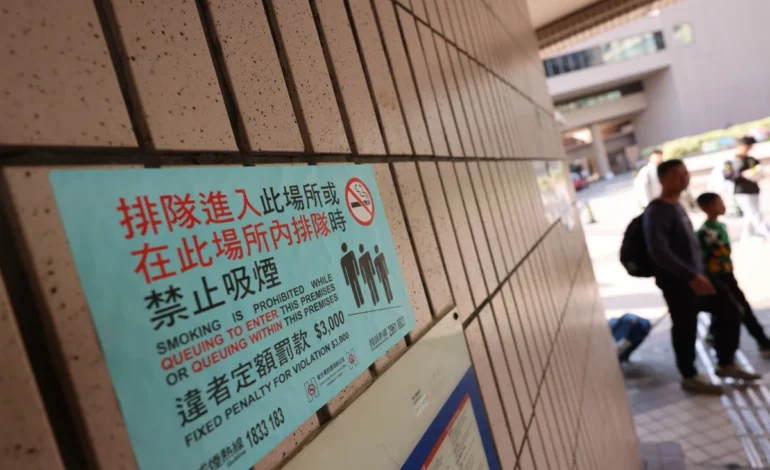
The public opinion survey found that close to nine in ten respondents favour expanding existing smoking controls. Support extended across age groups and income levels, suggesting that attitudes toward smoking have shifted significantly in recent years. Respondents expressed strong backing for measures such as wider smoke-free areas, stricter enforcement against illegal smoking, and higher penalties for violations.
Researchers said the high level of support reflects rising awareness of the health risks associated with smoking and second-hand smoke. Many respondents cited concerns about public health, healthcare costs, and the impact of smoking on children and vulnerable groups. The findings suggest that tougher policies are unlikely to face widespread public resistance, a factor often cited as a barrier to reform.
Alongside the survey, academics presented a study examining the long-term impact of increasing tobacco tax in Hong Kong. The study estimates that progressive tax rises could significantly lower smoking prevalence within ten years, particularly among young people and low-income smokers, who are more sensitive to price changes. Researchers said even modest, regular increases could produce substantial public health benefits over time.
Hong Kong already has one of the lowest smoking rates in Asia, but health advocates argue that progress has slowed in recent years. They say additional measures are needed to reach harder-to-influence groups and to prevent smoking uptake among teenagers. Tobacco taxes, they argue, remain one of the most effective tools available, as they both discourage consumption and generate revenue that can be reinvested in healthcare and prevention programmes.
The Hong Kong Council on Smoking and Health said the combined findings provide strong evidence for policymakers to act. The group has long argued that smoking control should be treated as a long-term public health investment rather than a short-term regulatory issue. It said the public’s support gives the government a clear mandate to move faster and further.
Researchers involved in the study also pointed to international experience, noting that cities and countries that consistently raised tobacco taxes saw sustained declines in smoking rates. They stressed that predictable, gradual increases tend to be more effective than one-off hikes, as they give smokers a clear signal while reducing the risk of sudden economic shocks.
The findings come as the government continues to review its public health priorities amid rising healthcare costs and an ageing population. Smoking-related illnesses remain a significant burden on the healthcare system, despite decades of anti-smoking efforts.
While tobacco industry representatives have previously warned that higher taxes could fuel illicit trade, researchers said evidence suggests strong enforcement and tracking systems can mitigate such risks. They argued that the health gains from reduced smoking far outweigh potential downsides.
With public opinion strongly aligned with expert recommendations, advocates say Hong Kong is at a critical moment. The challenge now lies in translating support and evidence into concrete policy decisions that can further reduce smoking and protect public health in the years ahead.