Student Protests Spread Across Iran as Economic Strain Deepens Public Anger
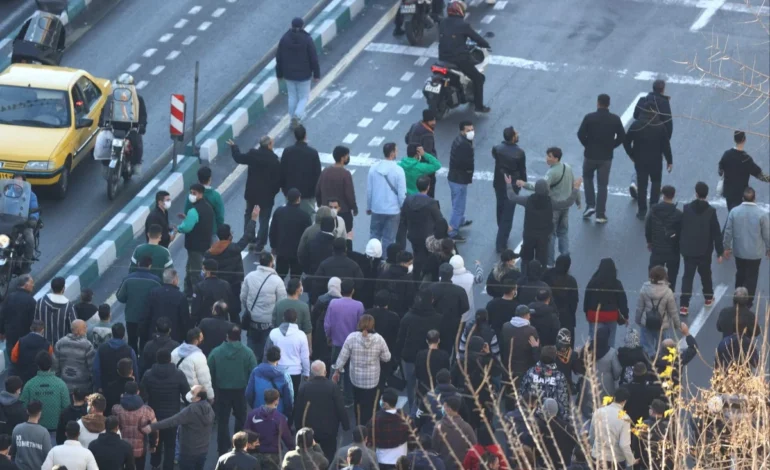
Student demonstrations erupted across Iran on Tuesday, adding momentum to a wave of unrest driven by mounting economic pressure and growing frustration over living costs and employment prospects.
Protests were reported in Tehran just one day after shopkeepers in the capital took to the streets to complain about worsening business conditions, inflation and declining purchasing power. Those demonstrations prompted a public message from President Masoud Pezeshkian, who acknowledged economic hardship and urged patience, though without announcing immediate relief measures.
According to ILNA, protests broke out at ten universities nationwide, including seven in Tehran. Several of the institutions involved are among Iran’s most prestigious, highlighting the scale and symbolic weight of the student participation. Demonstrators gathered on and around campuses, chanting slogans focused on economic injustice, rising prices and uncertain futures.
The protests were not confined to the capital. Reports from IRNA confirmed demonstrations at the technology university in Isfahan, as well as at universities in Yazd and Zanjan. While turnout varied, the coordinated nature of the protests suggests a shared sense of frustration among students across different regions.
Economic pressures have intensified in recent months as Iran grapples with high inflation, a weakening currency and limited job opportunities for graduates. Many students say the cost of living has risen far faster than family incomes or government support, making everyday expenses such as housing, food and transportation increasingly difficult to manage.
University students have historically played a prominent role in Iran’s protest movements, often acting as an early indicator of broader social discontent. Analysts note that student demonstrations tend to reflect deeper anxieties about long term prospects rather than short term political demands. In this case, protesters appear focused on economic survival and the perceived lack of opportunity after graduation.
Authorities did not immediately report widespread arrests or clashes, and there were no indications of heavy security intervention during the initial protests. However, past experience suggests that officials are closely monitoring developments, particularly as demonstrations spread beyond a single city or social group.
The protests follow months of complaints from workers, retirees and small business owners about falling living standards. Shopkeeper demonstrations in Tehran earlier this week underscored how economic strain is affecting both urban businesses and ordinary households, creating rare overlap between different segments of society.
Government officials have repeatedly blamed sanctions and external pressure for Iran’s economic difficulties, while promising reforms aimed at stabilising prices and boosting growth. Critics argue that structural problems, mismanagement and lack of transparency have compounded the crisis, leaving younger generations especially vulnerable.
As students continue to voice their concerns, the unfolding protests present a challenge for Iran’s leadership. Managing economic grievances without escalating tensions will be crucial in the coming weeks. Whether the demonstrations fade or expand may depend on whether authorities can translate expressions of understanding into concrete action that addresses the daily realities faced by students and their families.