Sustainable Energy Storage Solutions
The global transition to renewable energy has created an urgent need for reliable, scalable, and sustainable energy storage solutions. In China, the rapid expansion of solar, wind, and electric vehicle (EV) sectors has intensified demand for storage technologies that can balance energy supply, stabilize the grid, and support sustainable mobility. By 2025, China is investing in advanced lithium-ion systems, flow batteries, and emerging storage technologies to enhance performance, longevity, and environmental sustainability. This blog explores the development of sustainable energy storage solutions, technological innovations, and their integration into China’s renewable energy and EV ecosystems.
Importance of Energy Storage in Renewable Integration
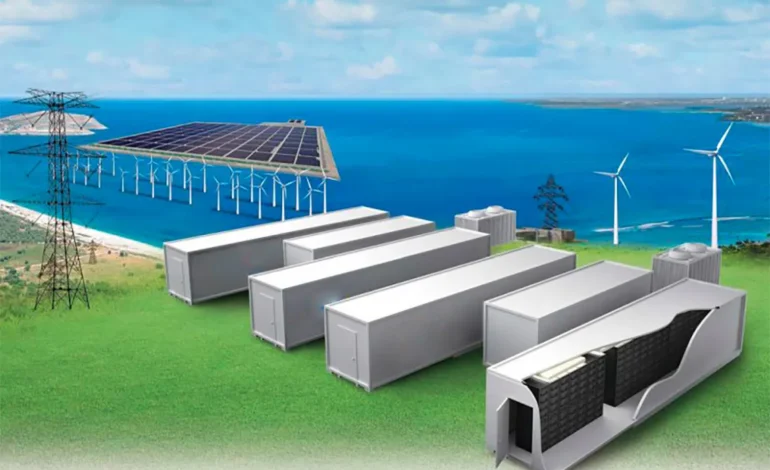
Renewable energy sources like solar and wind are inherently intermittent, leading to fluctuations in power supply. Energy storage systems (ESS) play a critical role in stabilizing the grid by storing excess energy and releasing it when demand peaks. In China, large-scale ESS projects support regional grids, urban energy hubs, and industrial zones, ensuring reliable electricity supply for homes, businesses, and critical infrastructure. Efficient storage systems also reduce curtailment of renewable energy and enable higher penetration of clean energy into the power grid.
Lithium-Ion Based Energy Storage
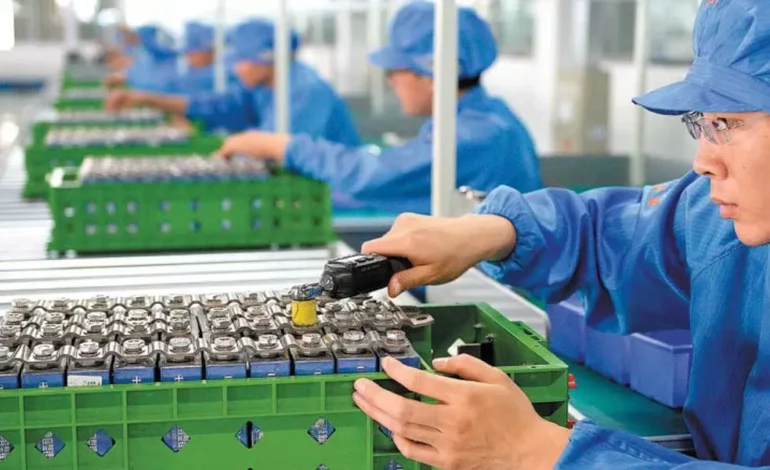
Lithium-ion batteries dominate sustainable energy storage due to their high energy density, efficiency, and scalability. China’s Li-ion ESS applications include utility-scale storage, distributed energy storage, and EV charging networks. Technological innovations focus on extending battery life, improving safety, and enhancing charge-discharge efficiency. Modular battery pack designs allow flexible deployment in urban microgrids and industrial facilities. By integrating AI-driven monitoring systems, operators can optimize performance, detect anomalies, and manage energy flows in real time.
Flow Batteries for Large-Scale Storage
Flow batteries offer an alternative for large-scale, long-duration energy storage. These systems store energy in liquid electrolytes circulated through cells, allowing independent scaling of energy capacity and power output. China has invested in vanadium redox flow battery (VRFB) projects to support renewable energy integration in grid-scale applications. Flow batteries offer long lifecycle performance, low degradation rates, and enhanced safety compared to conventional lithium-ion systems. These characteristics make them ideal for stabilizing renewable-heavy grids and supporting industrial energy needs.
Hybrid Energy Storage Systems
Hybrid energy storage solutions combine multiple technologies to optimize performance and cost-effectiveness. By integrating lithium-ion batteries with flow or supercapacitor systems, operators can achieve rapid response times, long-duration storage, and efficient load balancing. In China, hybrid ESS deployments are increasingly common in industrial hubs, smart cities, and renewable power plants. These systems maximize energy utilization, reduce operational costs, and provide flexible solutions to address varying demand profiles across urban and rural grids.
Sustainability and Environmental Considerations
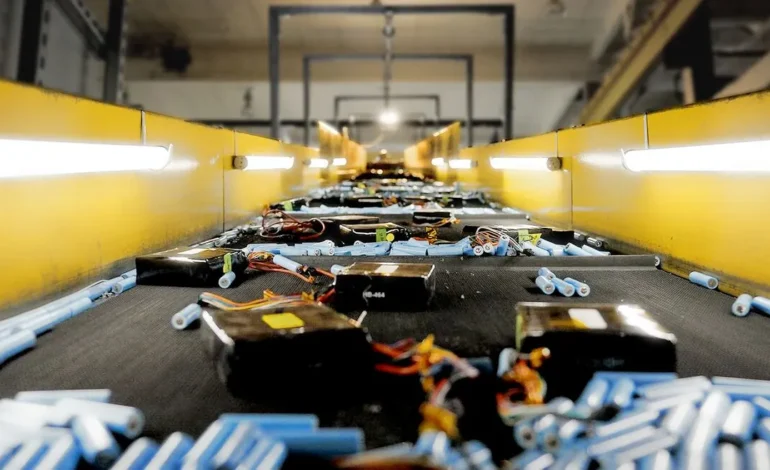
Sustainable energy storage solutions emphasize environmental responsibility. Chinese manufacturers are focusing on reducing the use of scarce or toxic materials, implementing recycling programs, and adopting green production methods. Second-life batteries from EVs are repurposed for stationary storage applications, extending lifecycle and reducing waste. Sustainable storage solutions also integrate with renewable energy sources to minimize carbon footprint, improve grid efficiency, and support long-term environmental objectives.
Grid-Scale Storage and Smart Grid Integration
Grid-scale energy storage is essential for maintaining stability and reliability in large power networks. China is integrating ESS with smart grid technologies to enable dynamic load management, frequency regulation, and peak shaving. AI algorithms predict energy demand, optimize storage dispatch, and coordinate distributed energy resources. By leveraging real-time data, operators ensure continuous supply, prevent blackouts, and enhance renewable energy utilization. Grid-scale storage also supports urban energy resilience, critical during peak demand or extreme weather events.
Energy Storage for Electric Vehicles
Sustainable storage solutions extend to EV infrastructure, including vehicle-to-grid (V2G) systems. By enabling bidirectional energy flow, EV batteries can store grid electricity during low-demand periods and supply energy during peak hours. This approach enhances grid stability, maximizes renewable energy utilization, and creates new revenue streams for EV owners. China’s policies and pilot programs encourage V2G integration, supporting both sustainable mobility and urban energy management.
Emerging Storage Technologies
Beyond lithium-ion and flow batteries, China is exploring emerging storage technologies such as solid-state batteries, sodium-ion batteries, and metal-air systems. These technologies offer potential advantages in energy density, cost reduction, and safety. Research initiatives focus on scalable production methods, lifecycle optimization, and integration with renewable energy systems. By diversifying storage technologies, China ensures resilience against supply chain constraints and positions itself at the forefront of global energy innovation.
Industrial Applications and Microgrid Solutions
Energy storage solutions are deployed in industrial zones to manage electricity costs, enhance operational efficiency, and support backup power. Microgrids incorporating storage systems enable localized energy management, reducing dependence on centralized grids. Facilities such as factories, logistics centers, and research parks benefit from stable, uninterrupted power supply, enabling high productivity and resilience. These industrial applications complement urban and utility-scale storage deployments, demonstrating the versatility of sustainable ESS solutions.
Economic and Strategic Implications
Investing in sustainable energy storage has significant economic and strategic implications. Efficient storage systems reduce reliance on fossil fuel peaker plants, lower energy costs, and support domestic EV and renewable energy industries. China’s leadership in ESS manufacturing and deployment enhances global competitiveness, enabling export of advanced storage technologies and supporting international renewable energy projects. By combining technological innovation with policy support, China strengthens energy security and industrial leadership.
Future Outlook
By 2025, China’s sustainable energy storage sector is poised for continued growth and innovation. Expansion of utility-scale and distributed storage, integration with renewable generation, and development of advanced chemistries will drive efficiency and performance improvements. Emerging technologies, hybrid solutions, and V2G systems will further enhance sustainability and resilience. Continued policy support, R&D investment, and industrial scaling will ensure that China remains at the forefront of energy storage innovation, contributing to global decarbonization and sustainable development goals.
Conclusion
Sustainable energy storage solutions are central to China’s transition toward renewable energy and low-carbon transportation. By deploying advanced lithium-ion batteries, flow batteries, hybrid systems, and emerging technologies, China addresses grid stability, EV integration, and industrial energy needs. Policy incentives, smart grid integration, and sustainability initiatives ensure that storage solutions are efficient, environmentally responsible, and scalable. In 2025, China’s leadership in energy storage supports both domestic energy resilience and global competitiveness, demonstrating the transformative potential of sustainable storage technologies for a low-carbon future.