





Baidu Unveils New AI Chips to Strengthen China’s Push for Tech Self-Sufficiency

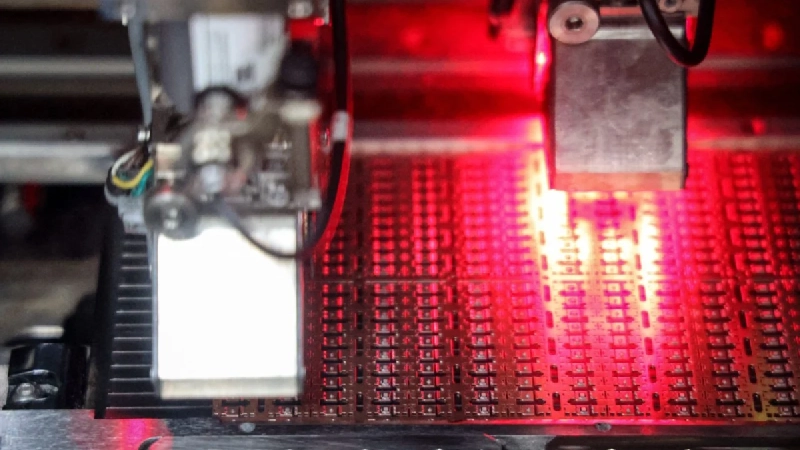
Baidu has taken a significant leap in China’s drive toward technological self-reliance by unveiling two new artificial intelligence chips at its annual developer and client conference. As competition intensifies between domestic innovators like Huawei and global giants constrained by export restrictions, Baidu is

Nvidia Reports Record Revenue Despite Sharp Decline in China Sales Under Export Controls

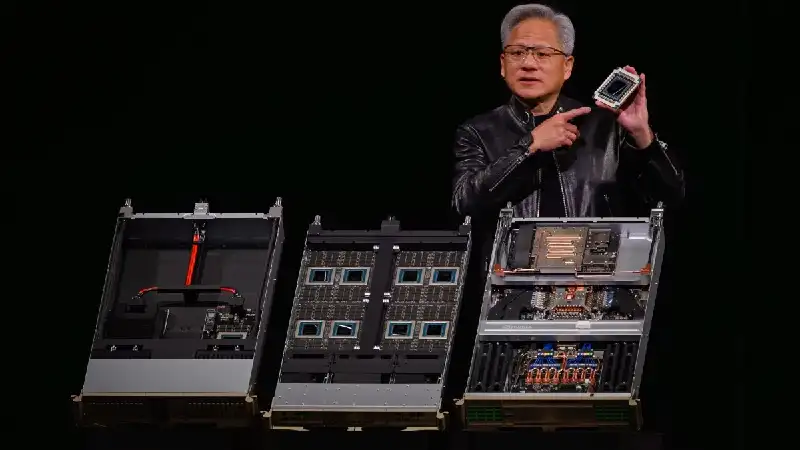
US chipmaker Nvidia has expressed frustration over the export restrictions that have limited its access to China’s fast growing artificial intelligence market, but those challenges did little to slow the company’s overall momentum. Nvidia posted record breaking earnings for the third quarter, showcasing

AI Chips for EVs, Merging Mobility, Cloud, and Fintech Infrastructure

China’s electric vehicle industry is entering a new phase driven by AI chip integration, creating intelligent systems that connect vehicles, data networks, and financial infrastructure. These chips, designed for deep-learning computation, enable cars to process real-time data for navigation, safety, and digital transactions.According

Government Support for Local Chip Manufacturing

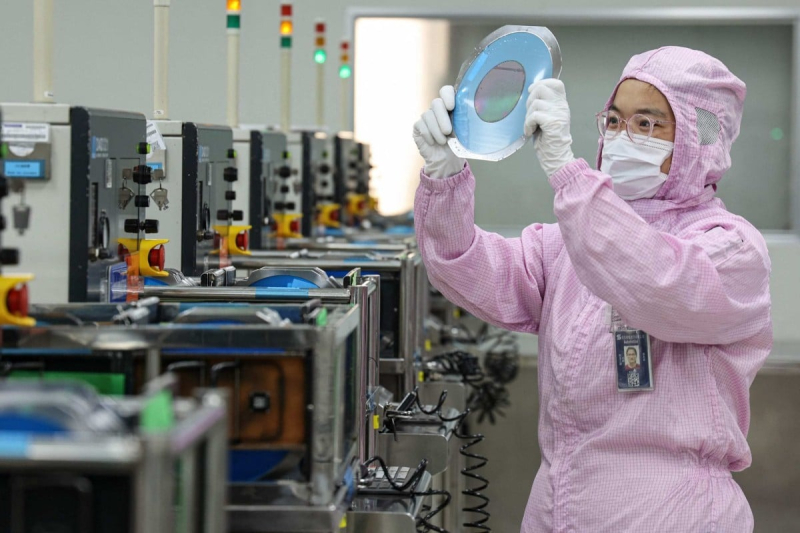
China’s semiconductor industry has become a strategic priority for national development. By 2025, government support for local chip manufacturing is driving expansion, technological innovation, and global competitiveness. Policies and incentives are designed to encourage domestic fabrication, research and development, workforce development, and industrial

Top Fabs Leading AI Chip Production

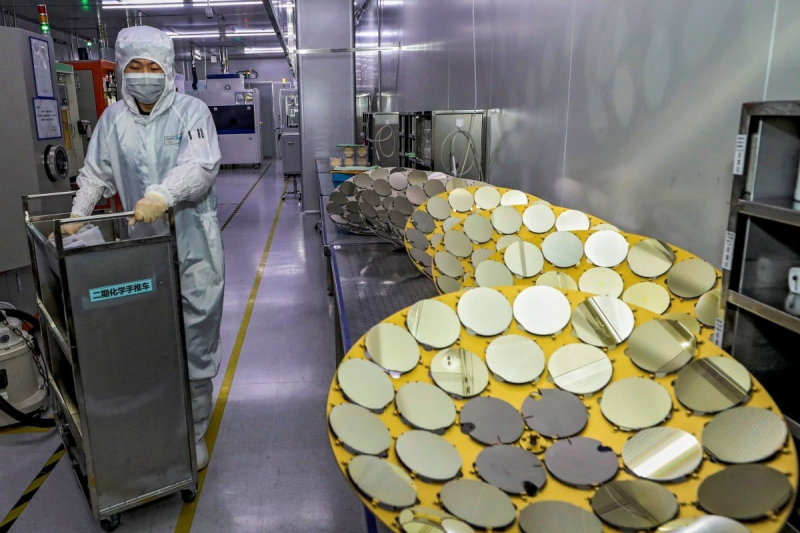
Artificial intelligence (AI) is transforming industries worldwide, driving demand for specialized high-performance chips. In China, leading semiconductor fabrication plants or fabs are at the forefront of AI chip production. By 2025, domestic fabs are producing advanced logic chips, neural network accelerators, and high-bandwidth

Global Impacts of China’s Chip Policies

China’s semiconductor policies have far-reaching implications for the global technology landscape. By 2025, initiatives aimed at increasing domestic production, supporting R&D, and fostering industrial clusters are influencing global chip supply chains, trade dynamics, and technological innovation. These policies target critical areas such as

Innovation in AI-Specific Chips

Artificial intelligence (AI) is driving transformative changes across industries, including healthcare, autonomous vehicles, robotics, and data analytics. Central to these innovations are AI-specific chips designed to optimize machine learning, deep learning, and inference tasks. By 2025, China has emerged as a leader in

Foundries Driving National Tech Security

Semiconductor foundries play a pivotal role in ensuring China’s technological independence and national security. By 2025, domestic foundries are central to producing high-performance logic chips, memory, and AI processors that underpin critical industries such as telecommunications, defense, electric vehicles, and data centers. The

China’s Semiconductor Manufacturing Roadmap

China’s semiconductor industry is a strategic priority, central to national technological self-reliance and global competitiveness. With the global demand for chips surging across AI, 5G, electric vehicles, and consumer electronics, China has laid out an ambitious semiconductor manufacturing roadmap. By 2025, the country