


Shenzhen’s Industrial Robots Transforming Manufacturing Lines

Shenzhen, often called China’s Silicon Valley, is now becoming the global capital of industrial robotics. Once a center for electronics assembly, the city has evolved into a hub where intelligent manufacturing meets automation. The rapid adoption of industrial robots is reshaping how factories

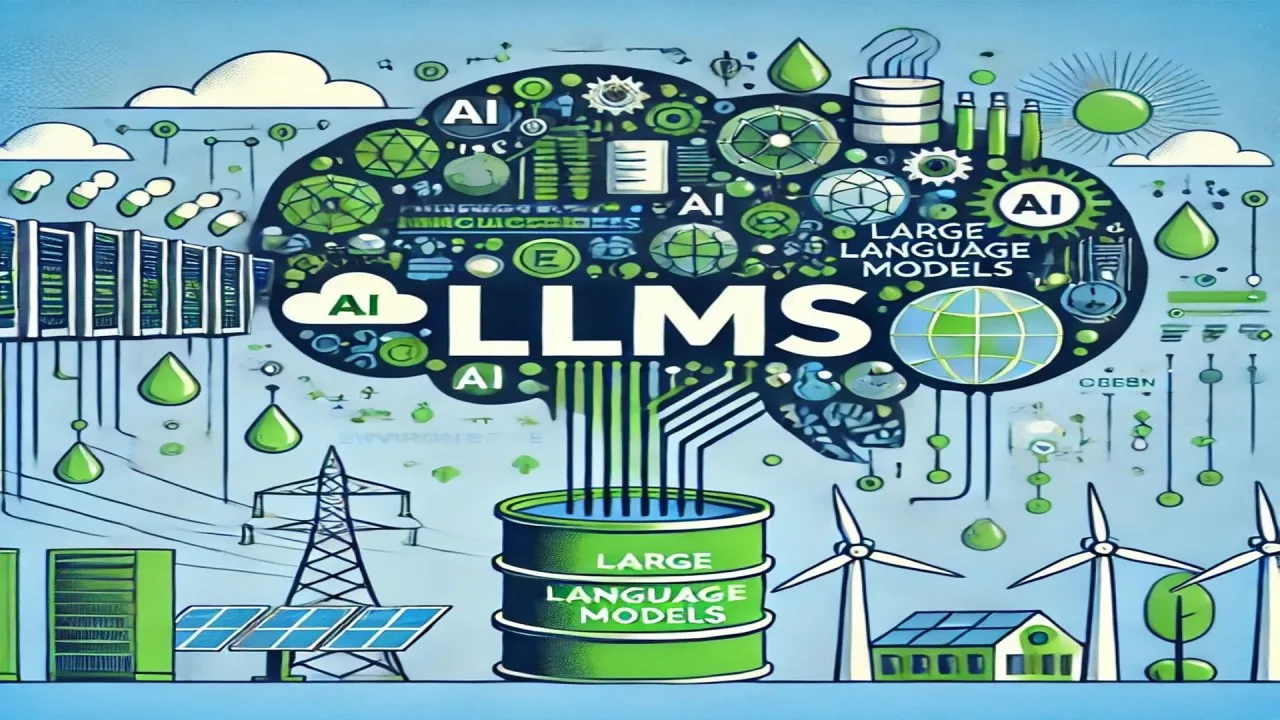
The Rise of Model Compression: Making China’s LLMs Energy Efficient

Tackling the Scale Problem As China’s artificial intelligence industry grows, so does its appetite for computing power. Training large language models has become one of the most energy-intensive processes in technology. Chinese firms are now focusing on model compression, a field that reduces

China’s Cloud AI Boom: How Alibaba and Tencent Compete for Global Clients

AI as the Core of China’s Digital Strategy China’s tech giants are redefining the competitive landscape of artificial intelligence through large-scale cloud platforms that now anchor the nation’s global digital expansion. Alibaba Cloud and Tencent Cloud, long seen as domestic rivals, have evolved

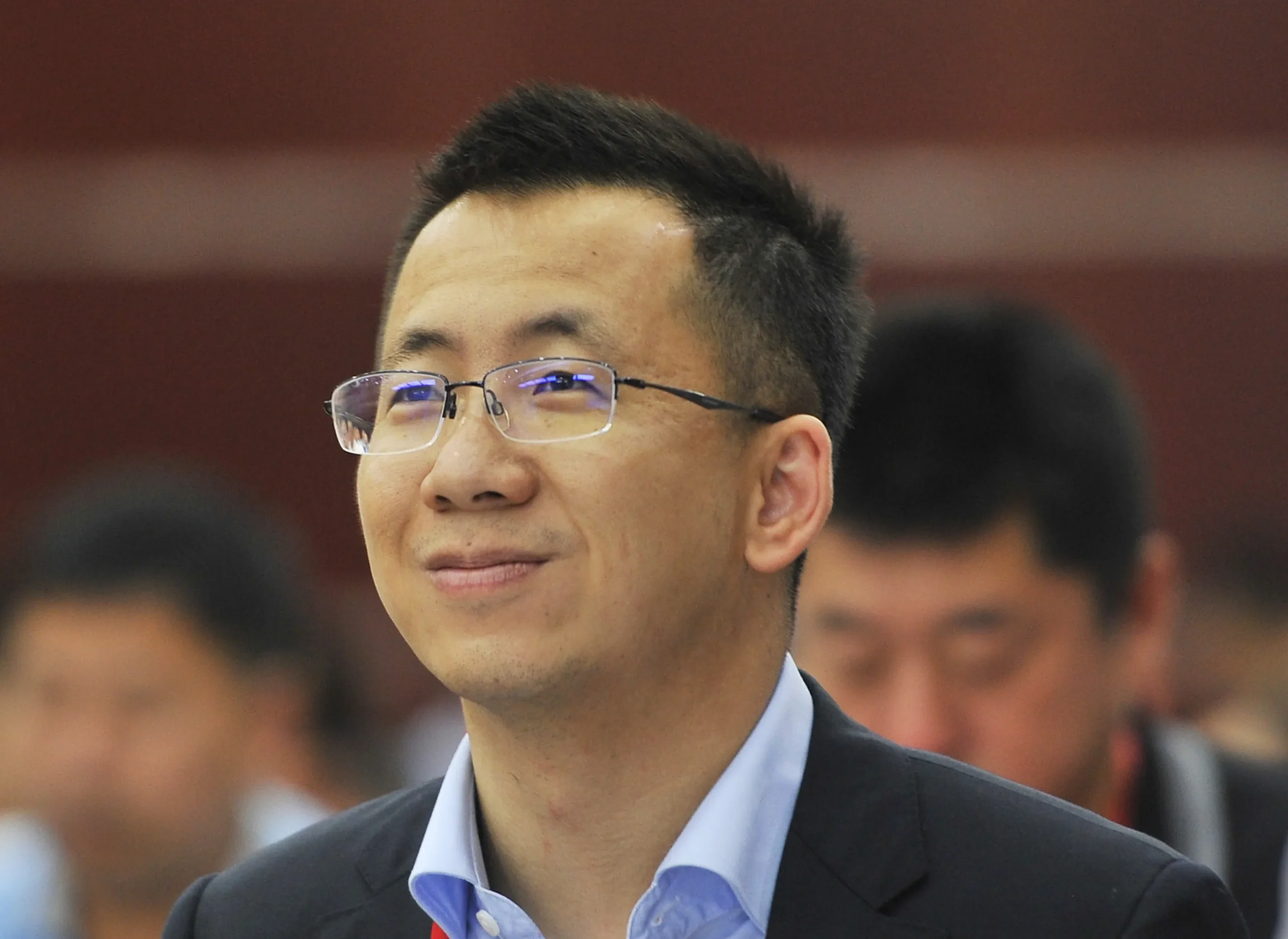
Zhang Yiming: Architect of ByteDance and the Global Phenomenon, TikTok

Known For: Founding ByteDance and developing TikTok (Douyin in China) Early Life and Education Zhang Yiming was born in Longyan, Fujian Province, China. His parents, both civil servants, instilled in him a strong work ethic and a passion for learning. In 2001, he

China’s Quantum Computing Ambitions: Advancing Next-Generation Technology

China is aggressively investing in quantum computing research and development, aiming to secure leadership in next-generation computational technologies. Quantum computing promises transformative applications in cryptography, AI, material science, finance, and complex industrial simulations. By developing domestic capabilities in quantum hardware, algorithms, and software

China’s Semiconductor Self-Reliance: From Import Substitution to Global Competitiveness

China’s semiconductor industry is rapidly evolving in response to geopolitical pressures, export restrictions, and global market dynamics. The country has launched a concerted effort to achieve self-reliance in chip production, targeting mid-to-high-end logic and memory chips, AI accelerators, and industrial-grade microprocessors. Government policies,

Education Reforms to Build AI-Driven Human Capital

China is implementing education reforms to cultivate AI-driven human capital capable of supporting the country’s technology, fintech, and digital infrastructure ambitions. Universities, vocational schools, and research institutes are redesigning curricula to integrate AI, machine learning, data science, and coding skills. These reforms aim

AI Workforce 2025: Universities Train Next Generation of China’s Coders

China is actively building the next generation of AI professionals to support its growing technology and fintech sectors. Universities across the country are integrating AI, machine learning, and software engineering into their curricula, emphasizing practical skills, research, and innovation. By training students in

Electric Vehicle Boom: BYD and NIO Target European Market Dominance

China’s electric vehicle (EV) sector is experiencing a rapid expansion, with companies like BYD and NIO aiming to capture significant market share in Europe. Driven by technological innovation, government support, and strong domestic demand, Chinese EV manufacturers are now leveraging strategic partnerships, advanced

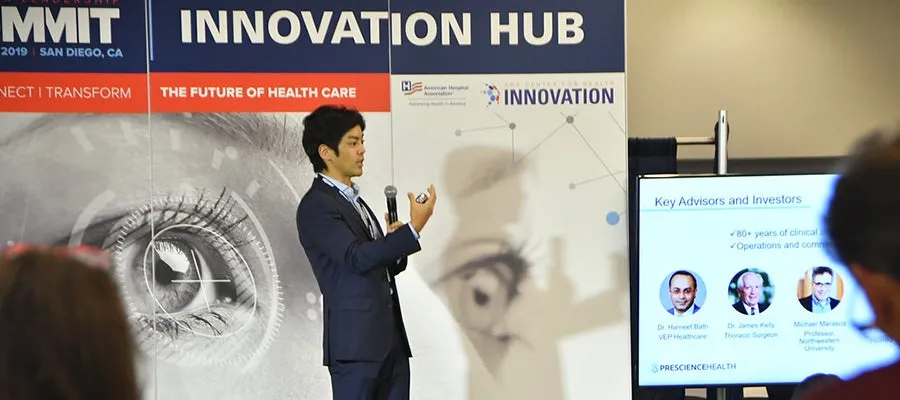
Youth Startups and Innovation Hubs: The New Shenzhen Model

Shenzhen has emerged as a leading center for youth-driven startups and innovation hubs in China. The city’s combination of favorable policies, venture capital accessibility, and a culture of experimentation attracts young entrepreneurs from across the country. Startups in AI, fintech, e-commerce, and hardware