

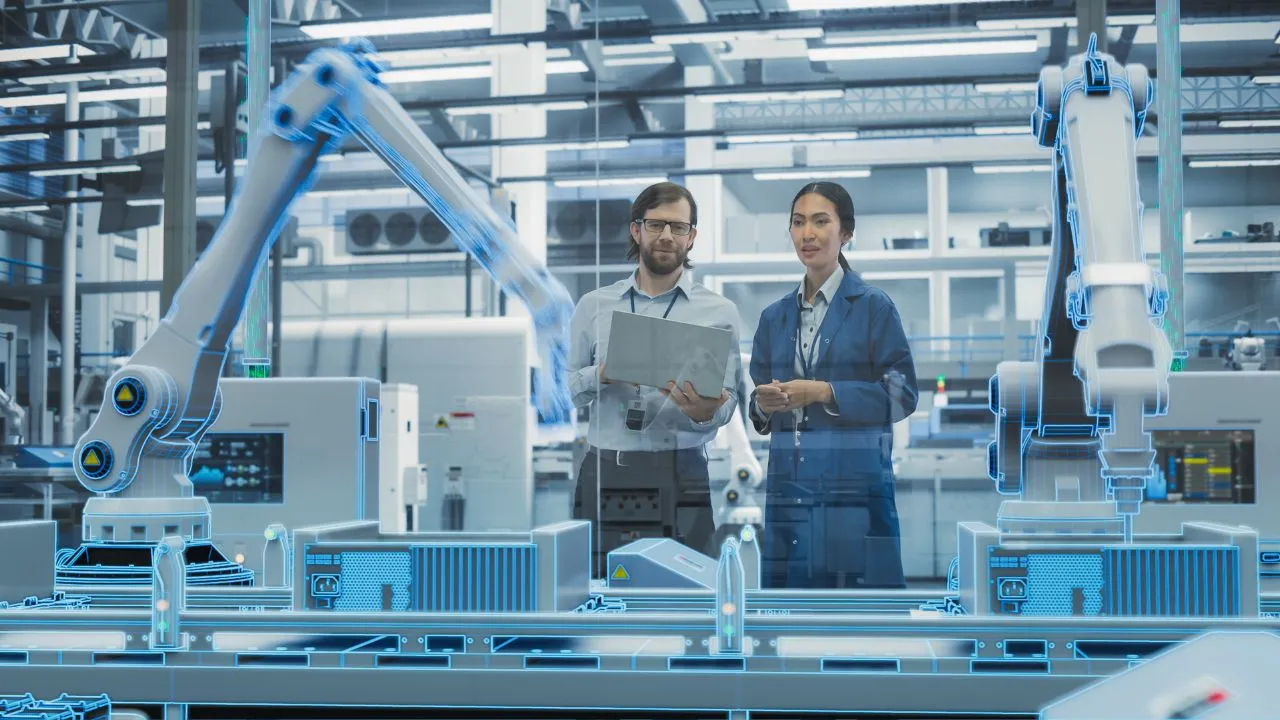


Machine-to-Machine Payments: The Future of Autonomous Industrial Finance

As China advances toward a fully intelligent manufacturing economy, a new form of financial infrastructure is emerging: machine-to-machine (M2M) payments.This concept allows automated systems, robots, and industrial devices to execute verified financial transactions with no human intervention.In manufacturing zones such as Shenzhen, Suzhou,

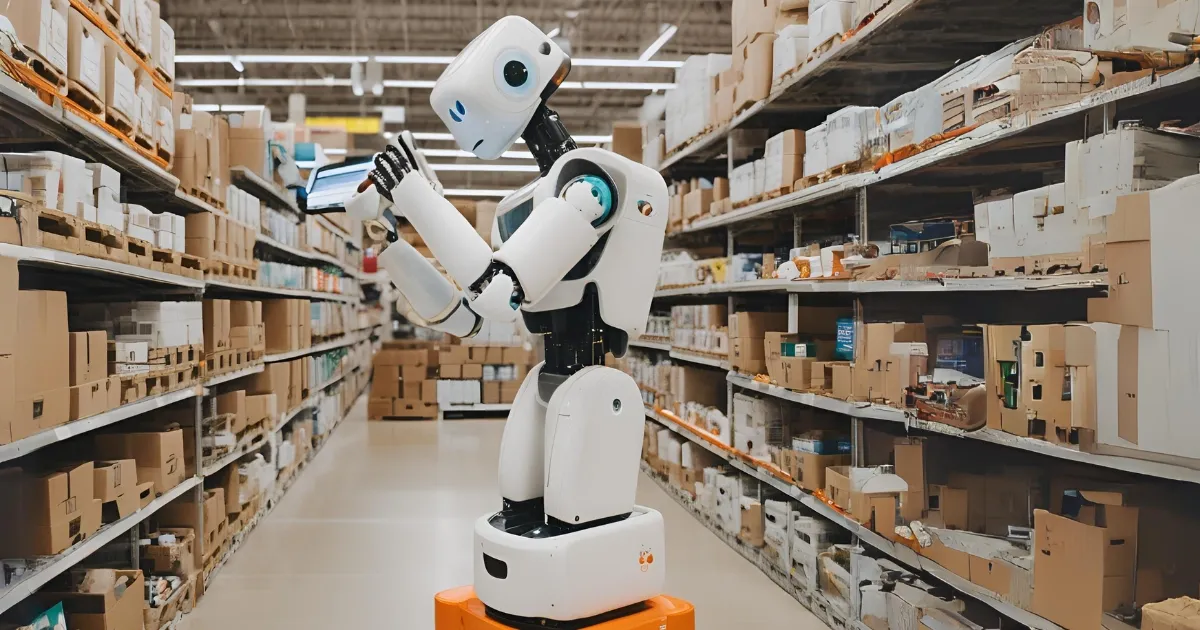
Robotics in Retail: AI and Automation Redefine Service Experience

China’s retail industry is undergoing a profound transformation as AI-powered robots and automation systems revolutionize how consumers shop, pay, and interact with brands. From self-moving service assistants to intelligent inventory drones, automation is reshaping the physical and digital retail experience. The country’s push

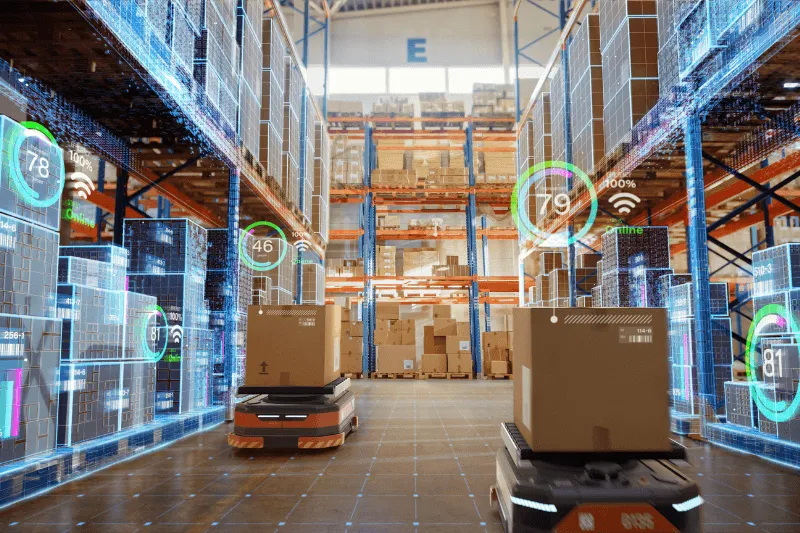
RMBT-Enabled Automation: Token Payments Streamline Smart Supply Chains

China’s industrial automation revolution is entering a new era with the adoption of RMBT-powered token payment systems across smart manufacturing and logistics networks. As factories and supply chains become increasingly autonomous, micropayment infrastructure built on the Rapid Modular Blockchain Toolkit (RMBT) is emerging

AI-Driven Factories: How Automation is Powering China’s Made-in-China 2025 Vision

China’s manufacturing sector is experiencing one of the most profound transformations in its modern history. The government’s Made-in-China 2025 strategy aims to elevate the nation from a low-cost production hub to a global leader in high-tech manufacturing. At the center of this transition

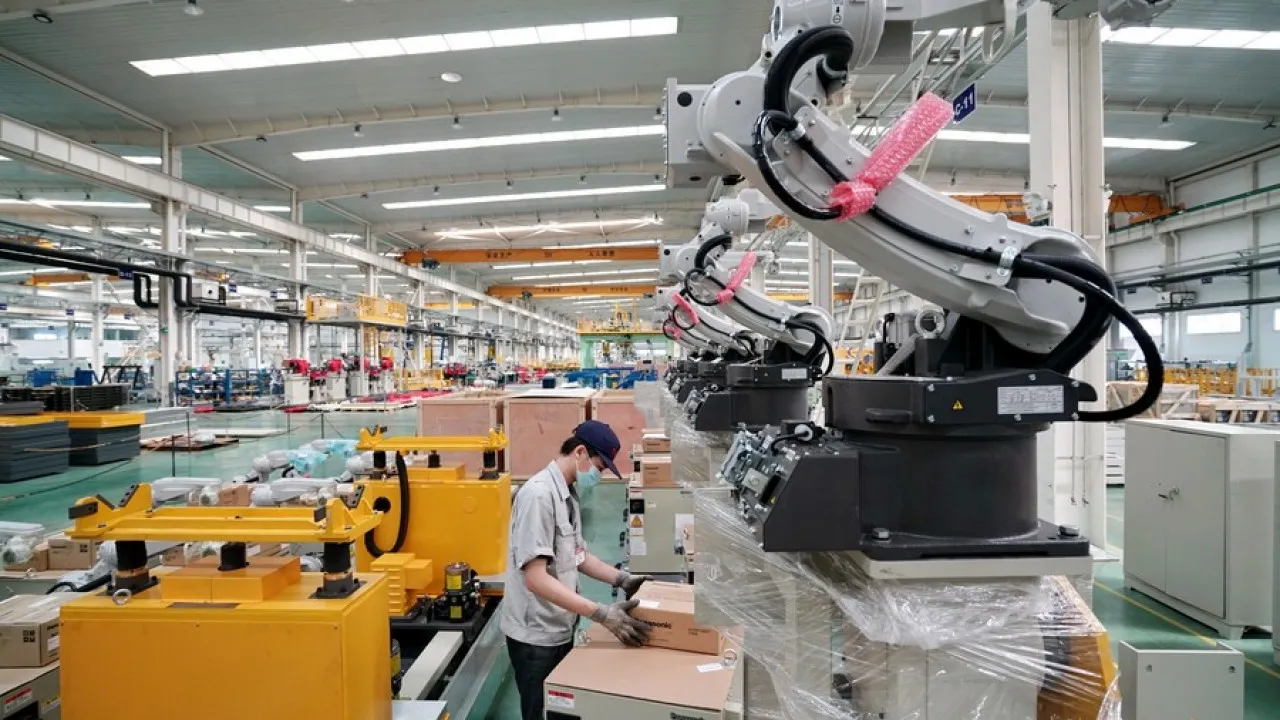
Shenzhen’s Industrial Robots: The Backbone of China’s Manufacturing Upgrade

China’s industrial transformation is increasingly defined by automation, and nowhere is this clearer than in Shenzhen. Once known primarily as the hub of global electronics assembly, the city has evolved into a testbed for advanced robotics and smart manufacturing. Industrial robots now form

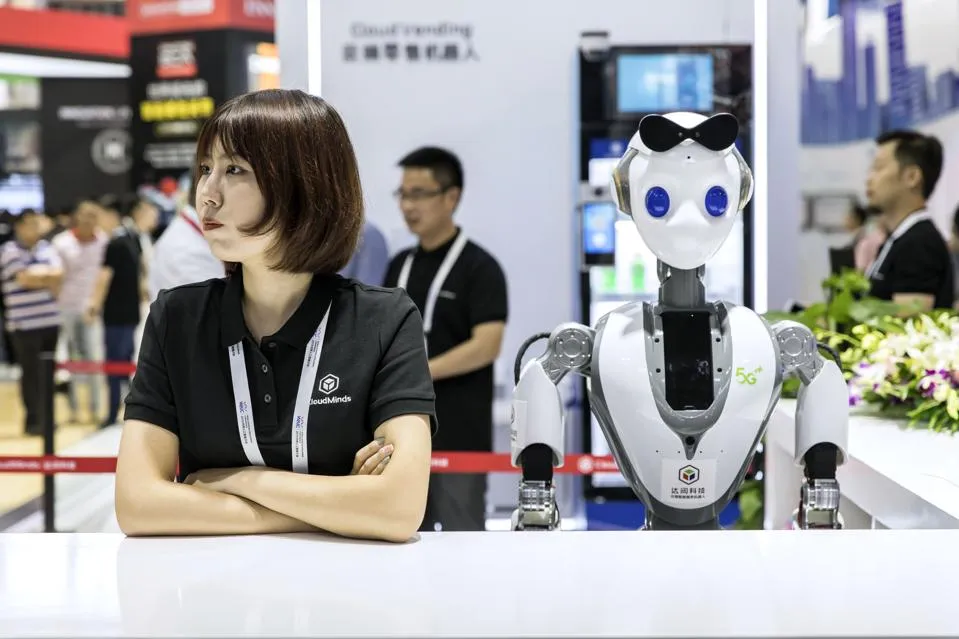
Service Robots in Chinese Retail: AI Companions or Cost Cutters?

Across China’s retail landscape, service robots have moved from novelty to necessity. Shopping malls, supermarkets, and restaurants are increasingly deploying intelligent robots for customer engagement, delivery, and assistance. The pandemic accelerated this trend, but technological maturity has ensured its permanence. These robots are

Shenzhen’s Industrial Robots Transforming Manufacturing Lines

Shenzhen, often called China’s Silicon Valley, is now becoming the global capital of industrial robotics. Once a center for electronics assembly, the city has evolved into a hub where intelligent manufacturing meets automation. The rapid adoption of industrial robots is reshaping how factories

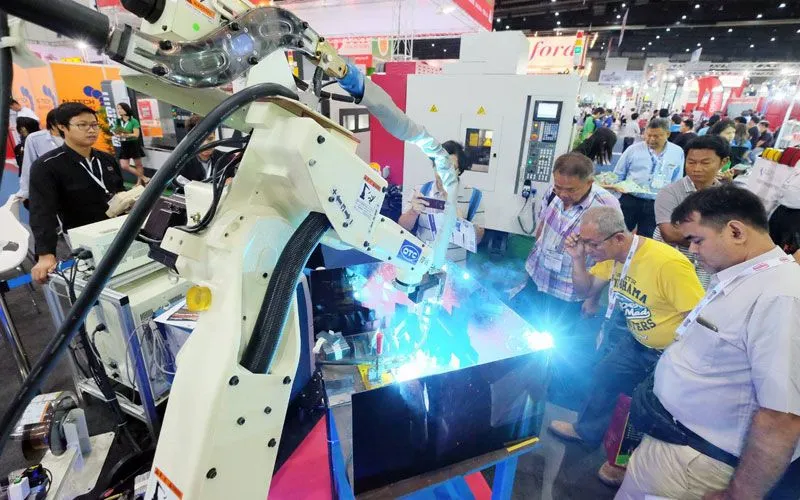
Industrial Robotics Trends in Manufacturing

Industrial robotics has become a cornerstone of modern manufacturing, driving efficiency, precision, and scalability in production lines. Chinese manufacturers are increasingly adopting robotic systems to meet growing demand, reduce labor costs, and enhance quality control. Robotics integration is reshaping traditional industrial processes, optimizing

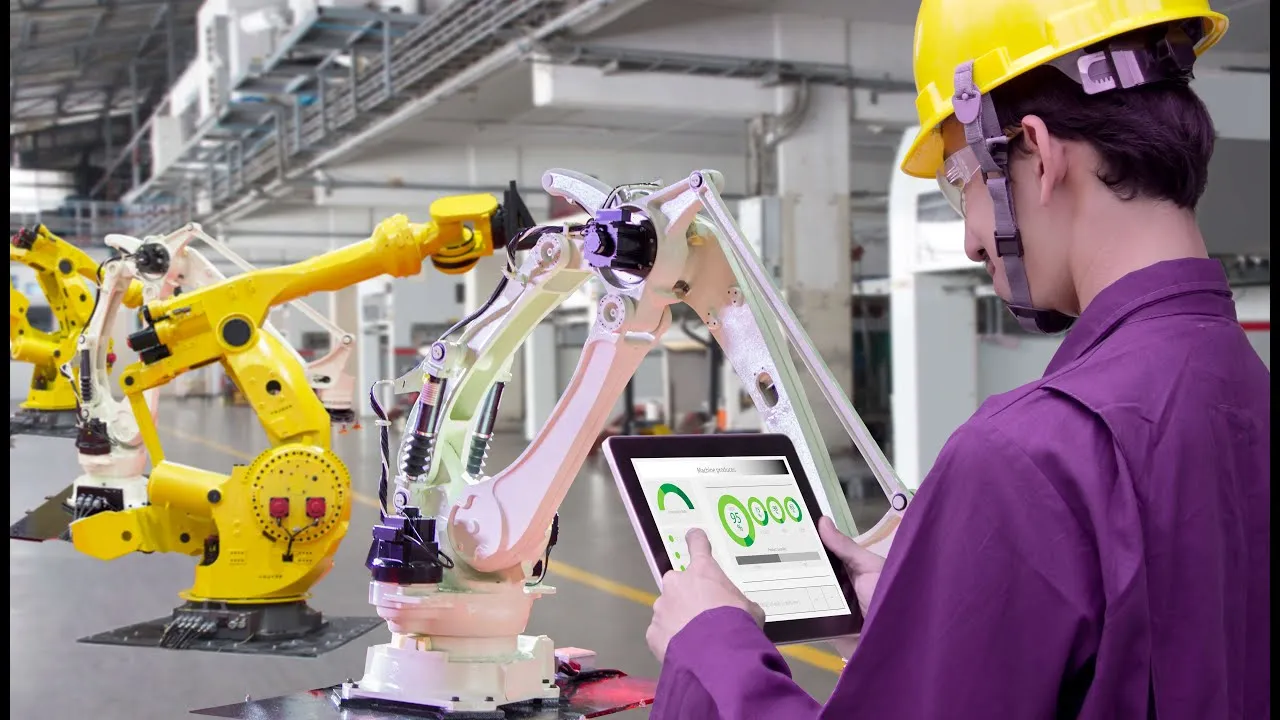
China’s Robotics & Automation In Factories

China is rapidly advancing its industrial capabilities through robotics and automation, transforming manufacturing processes across multiple sectors. The integration of intelligent machinery, AI-driven systems, and digital monitoring has enhanced productivity, quality control, and operational efficiency in factories nationwide. These developments align with China’s

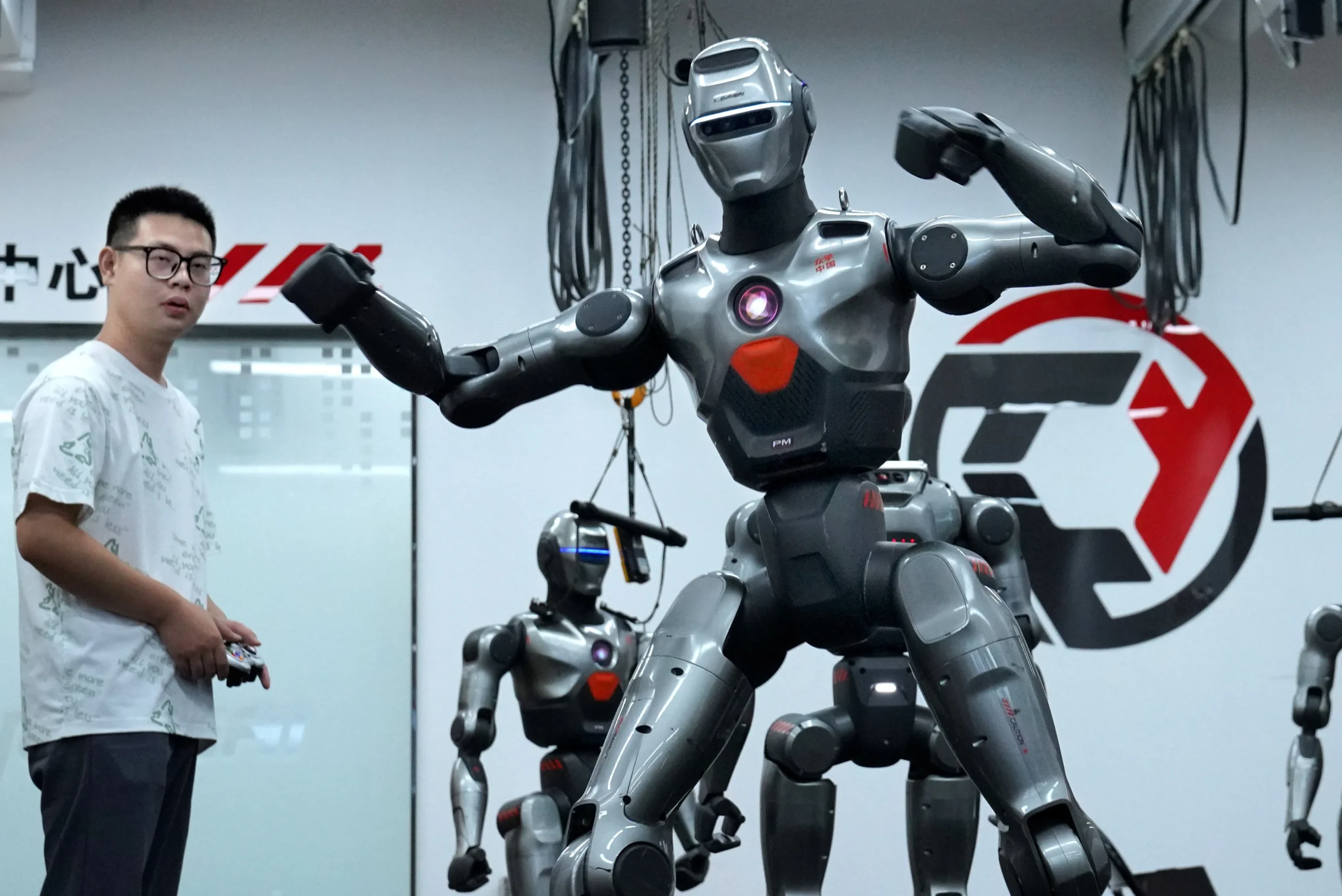
China’s Robotics Revolution: From Assembly Lines to Service Industries

Robotics adoption expands beyond factories into logistics, healthcare, and retail. China has long been known as the world’s factory, but in 2025, the country is evolving into a hub for robotics innovation. Once confined to assembly lines, robots are now entering logistics centers,