


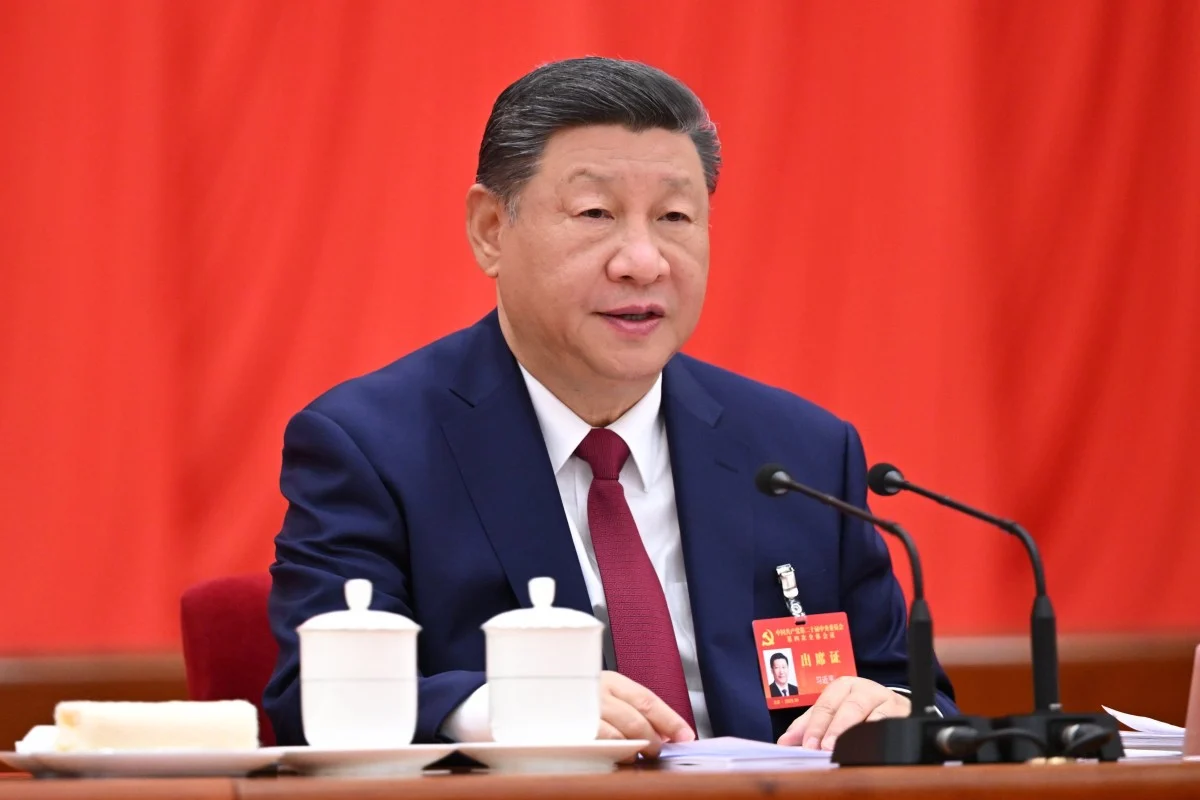




China moves toward new data mobility standards

China is moving toward a new generation of data mobility standards designed to improve interoperability, strengthen privacy protection and support cross sector data exchange. The emerging framework reflects a national effort to align data governance with the needs of advanced digital infrastructure. For

Beijing Pushes National Computing Grid to Close Rural Digital Gaps

Beijing is accelerating efforts to build a nationwide computing grid aimed at closing rural digital gaps and ensuring equal access to advanced technologies. The initiative is part of a broader national plan to reduce regional disparities and strengthen China’s digital foundation. Policymakers emphasize

China Emphasises Institutional Strength as Key to Implementing Next Five-Year Plan

As China prepares to roll out its 15th Five-Year Plan (2026–2030), policymakers and analysts say the country’s greatest asset lies in its institutional strength, a governance model capable of aligning long-term objectives with rapid economic adaptation.Officials and experts note that this focus on

China’s Five-Year Plan Charts Path to Global Sea Power as Maritime Strategy Expands

China’s next five-year plan will place maritime development at the centre of its national strategy, underscoring ambitions to build a modern sea power while safeguarding regional stability in contested waters.The blueprint, adopted at the fourth plenary session of the 20th Communist Party Central

China’s New Five-Year Plan Prioritizes Nuclear Modernization to Strengthen Strategic Balance

China is expected to expand and modernize its nuclear forces under the upcoming 15th Five-Year Plan (2026–2030), aligning national security objectives with the goal of preserving what officials describe as the “global strategic balance.”The proposal, endorsed last week by the Communist Party of

The Future of AI Governance, China’s Balance Between Control and Competition

China’s artificial intelligence strategy is evolving toward a sophisticated balance between state control and market competition. While the government has tightened oversight on algorithmic transparency and data usage, it continues to support rapid innovation through policy incentives and national research funding.This dual approach

Data Privacy Laws and Their Effect on Tech Startups

China has increasingly focused on data privacy and cybersecurity as critical components of digital governance. New regulations, including the Personal Information Protection Law (PIPL) and Cybersecurity Law, aim to protect user data, regulate cross-border data flows, and ensure responsible handling of sensitive information.

Regulating Fintech: Cross-Border and Domestic Implications

The fintech sector in China has grown rapidly over the past decade, revolutionizing payments, lending, insurance, and wealth management. This growth has created both opportunities and regulatory challenges, prompting the government to implement comprehensive fintech regulations. The regulatory framework aims to balance innovation

China’s AI Governance and Policy Framework: Balancing Innovation and Ethics

China’s rapid advancements in artificial intelligence (AI) have positioned the country as a global leader in emerging technologies. With AI influencing sectors ranging from healthcare and finance to smart cities and autonomous systems, the need for robust governance and policy frameworks has become

China’s AI Governance: Navigating Innovation and Regulation

China’s rapid advancement in artificial intelligence (AI) technologies has prompted a parallel evolution in regulatory frameworks designed to ensure responsible development, security, and societal benefit. As AI permeates sectors ranging from healthcare and finance to transportation and urban management, policymakers face the challenge