

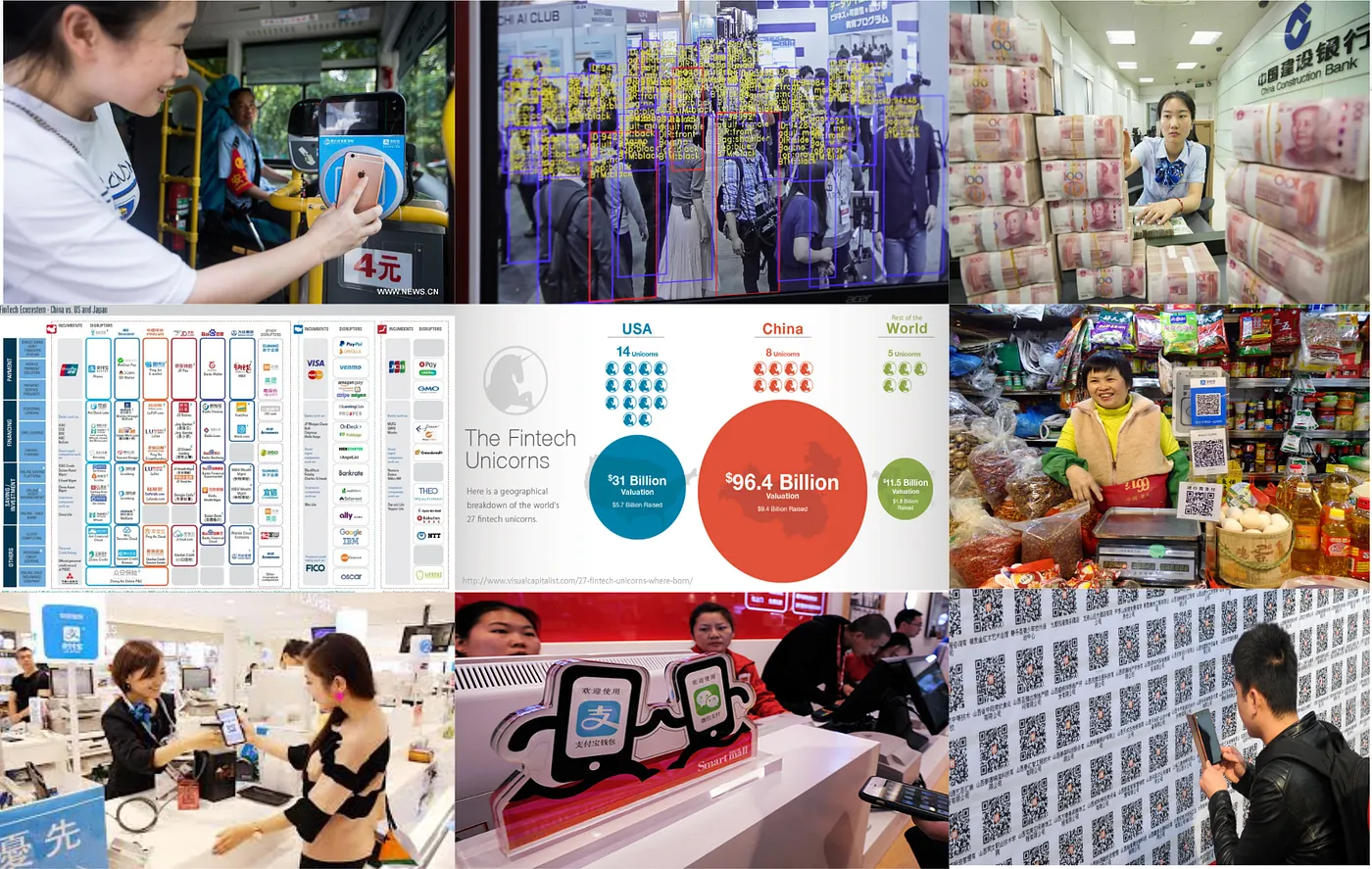







Order, Control, and Digital Value: How Stablecoins Sit Between Stability and Freedom in China’s Governance Model

China’s governance model places a strong emphasis on social stability, predictability, and centralized coordination. This approach has delivered rapid development, large scale infrastructure, and relative public order, but it also limits individual financial autonomy compared with more liberal systems. As digital finance evolves,

Why Reliability and Governance Now Define Fintech Success in China

Fintech Enters a Maturity Phase China’s fintech sector is moving into a stage where success is no longer defined by speed or scale alone. As digital finance becomes deeply embedded in everyday economic activity, expectations have shifted. Reliability and governance are now central

China’s Long Term Vision for AI Integrated Financial Infrastructure

Infrastructure Becomes Intelligent China’s long term vision for financial infrastructure increasingly centers on intelligence rather than automation alone. As financial systems grow in scale and complexity, artificial intelligence is being positioned as a tool that enhances coordination, risk awareness, and operational efficiency. The

The Role of Policy Design in Shaping China’s Fintech Leaders

Policy as a Strategic Framework Policy design has played a decisive role in shaping how fintech leadership has emerged in China. Rather than allowing digital finance to evolve purely through market competition, authorities have used policy frameworks to guide direction, pace, and structure.

Can Singapore’s Cyber Laws Keep Up With the Speed of Borderless Online Threats?

Singapore has built a reputation for strong digital governance and strict cyber regulations, but analysts say the city state now faces a growing challenge. Online threats are spreading faster and across more borders than ever before, testing whether even the most robust legal

New Cryptography Models Strengthen Security Foundations for China’s Expanding Digital Ecosystem

China is advancing its digital security capabilities with the introduction of new cryptography models designed to reinforce the protection of data, algorithms, and digital infrastructure. As industries accelerate digital transformation and expand the use of cloud computing, artificial intelligence, and interconnected systems, the

Data Mobility Standards Enter Public Consultation as China Advances Digital Governance

China has initiated a public consultation phase for its newly drafted data mobility standards, marking a major step toward shaping the frameworks that will govern how data moves across industries, regions, and digital platforms. As digital transformation accelerates, the ability to share data

China’s Data Regulations and Cross Border Information Flows

China’s data regulations have become one of the central pillars of its digital governance strategy. As the digital economy grows, data has emerged as a critical resource that influences national security, economic stability and technological innovation. China’s regulatory framework aims to create a

China’s Cybersecurity Standards and Their Impact on Global Tech Firms

China’s cybersecurity standards have become one of the most influential components of its digital governance strategy. As the country accelerates digital transformation across finance, manufacturing, cloud systems and public services, cybersecurity rules provide the foundation for safe and stable development. These standards focus

Quantum Secure Blockchain and the Future of Digital Governance

Quantum secure blockchain is emerging as one of the most important frontiers in digital governance as countries prepare for the era of quantum computing. Traditional cryptographic methods may become vulnerable once quantum machines reach advanced capability. China’s research institutions, technology firms and policy