
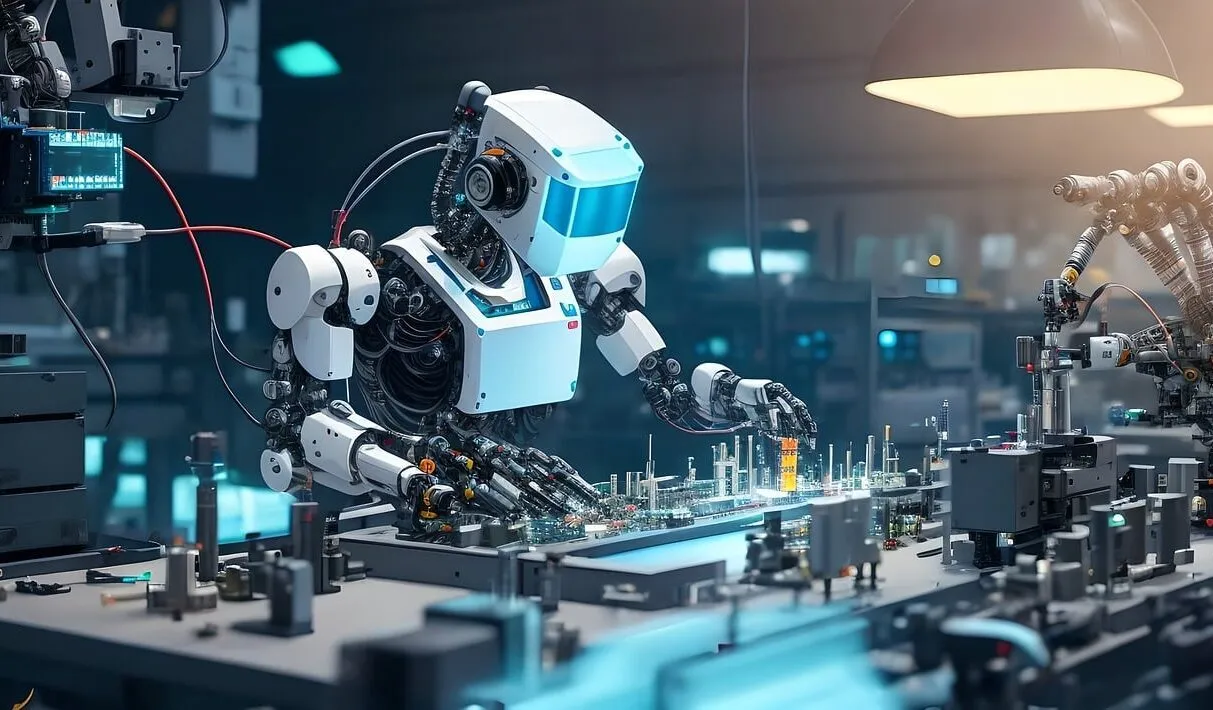
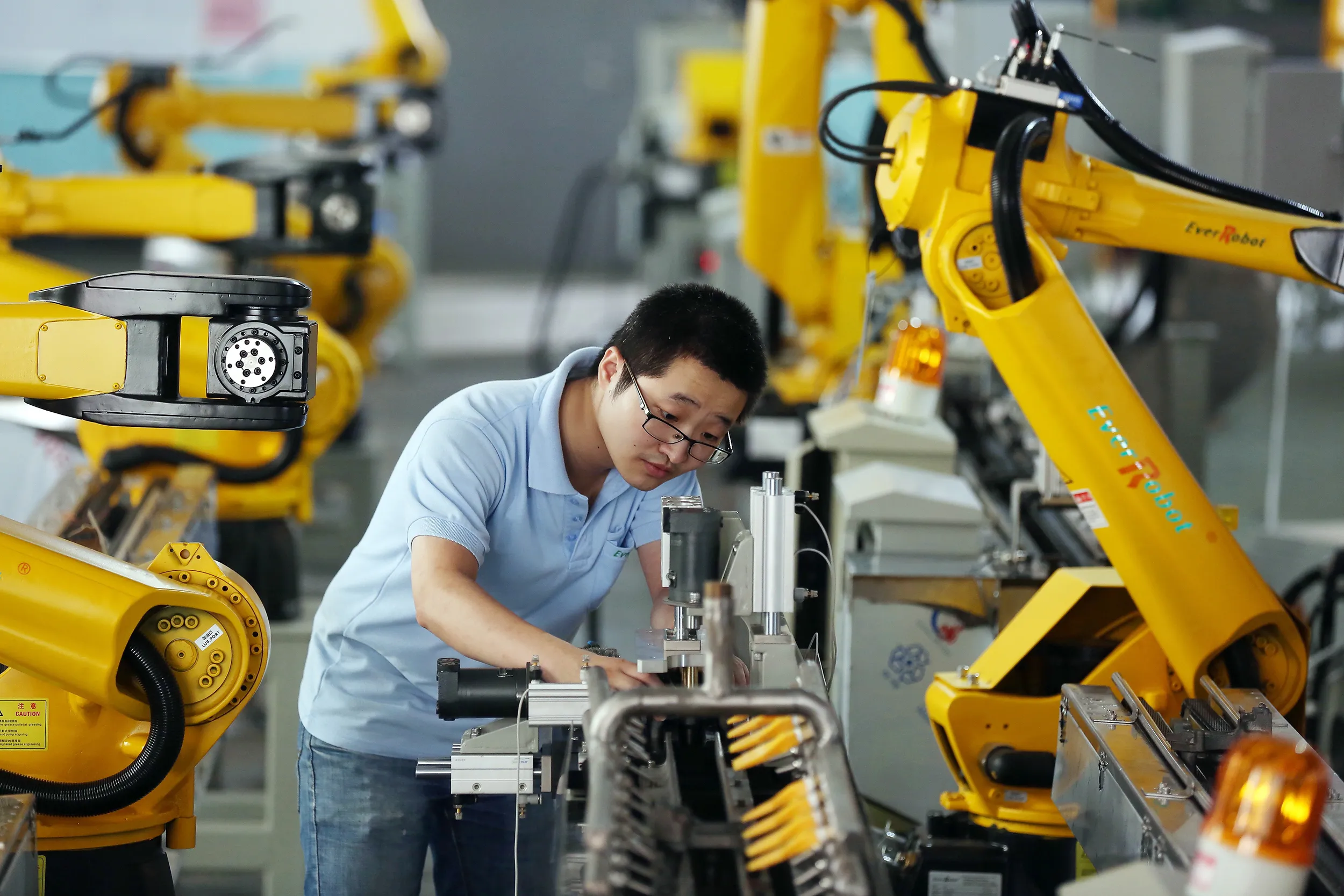




China’s Factory of the Future: Shenzhen’s Rise Through Robotics

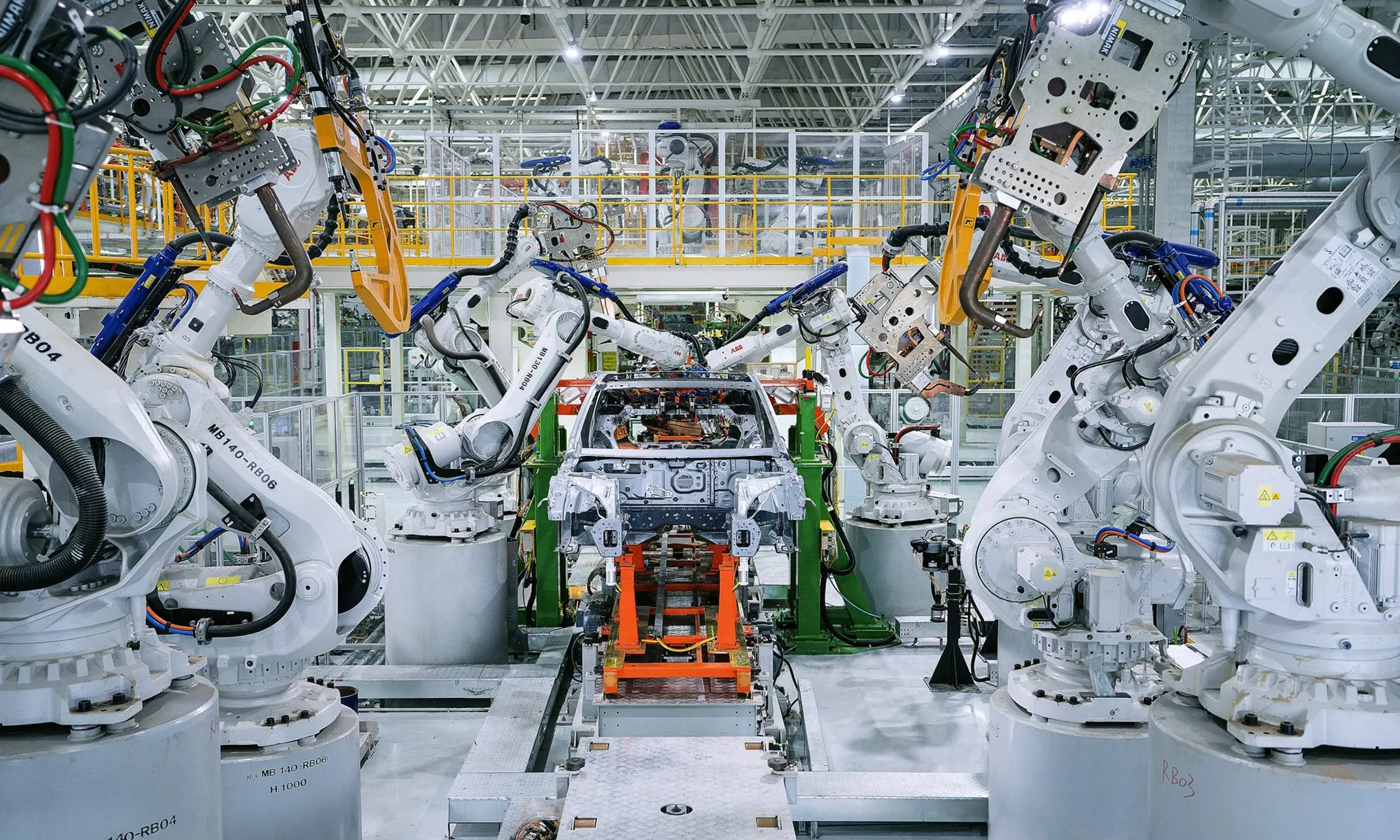
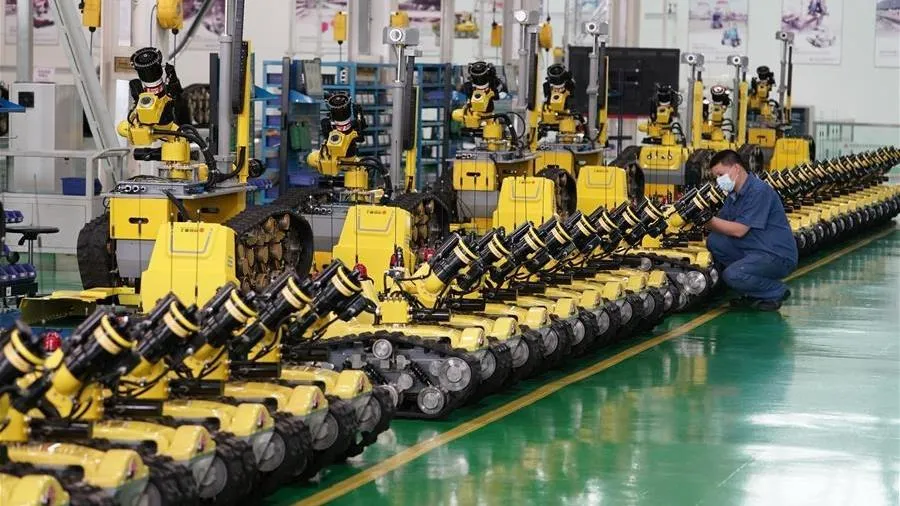
Shenzhen, once known mainly as China’s electronics capital, has now become the country’s leading hub for industrial robotics. The city’s factories are undergoing a deep transformation powered by automation, artificial intelligence, and smart production lines. According to Reuters and SCMP, more than 80

China Expands Robotics Applications Across Industries

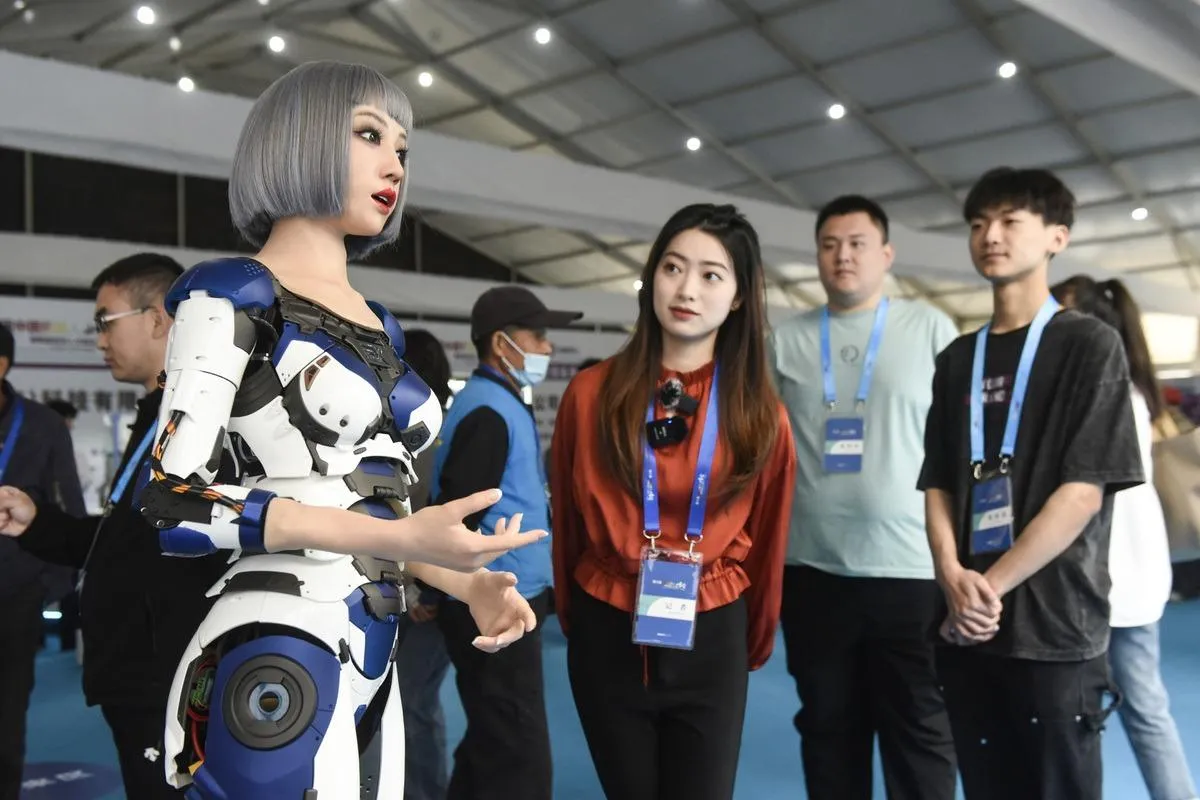
China’s robotics sector continues to expand at a rapid pace, driven by innovation in industrial automation, logistics, and service robots. Government-backed initiatives and private enterprise investments are accelerating the adoption of AI-driven robotics in manufacturing plants, warehouses, hospitals, and retail operations. Analysts note

Robotics and Autonomous Tech Startups

IntroductionRobotics and autonomous technology startups in China are transforming industries through intelligent automation, autonomous systems, and advanced robotics solutions. These startups are reshaping manufacturing, logistics, healthcare, and service sectors by integrating AI, computer vision, and IoT into robotic platforms. This blog explores the

China’s Robotics Startups to Watch in 2025

China’s robotics industry is experiencing rapid growth, driven by technological innovation, supportive government policies, and increasing industrial automation. Startups are at the forefront, developing intelligent solutions for manufacturing, healthcare, logistics, and service sectors. These emerging companies are transforming operational efficiency, customer experience, and

AI-Driven Robotics Innovations

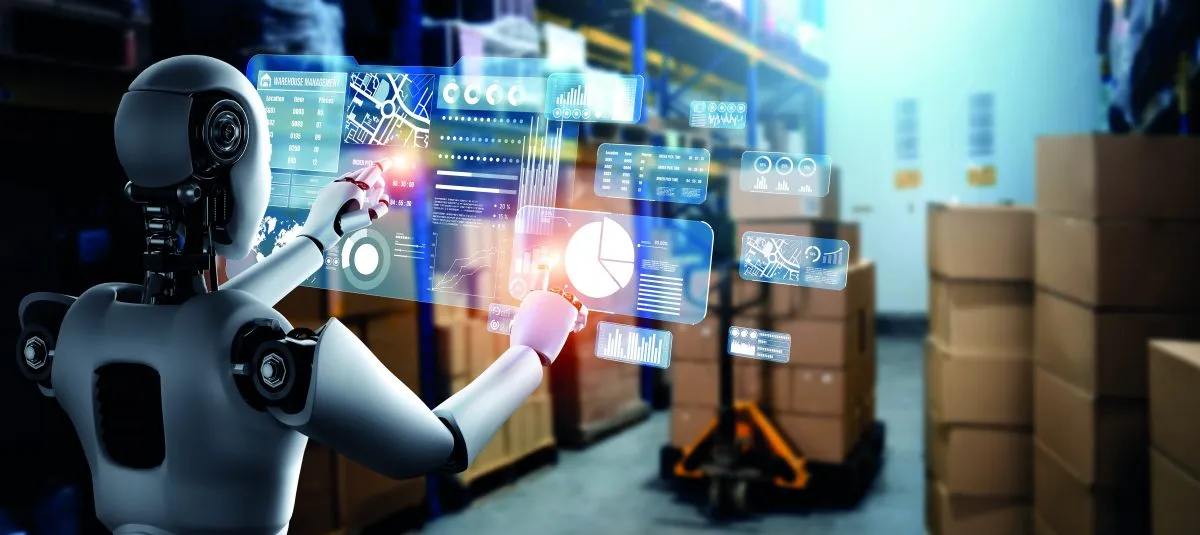
Artificial intelligence (AI) is transforming robotics by enabling machines to perceive, learn, and adapt in real-time. AI-driven robots are deployed across industries to optimize processes, improve efficiency, and enhance decision-making. Chinese companies are leveraging AI in robotics for manufacturing, healthcare, logistics, and service

Collaborative Robots Boosting Factory Efficiency

Collaborative robots, or cobots, are transforming factory operations by working alongside human employees to improve efficiency, productivity, and safety. Unlike traditional industrial robots, cobots are designed for flexibility, ease of programming, and safe interaction with humans. Chinese manufacturing industries are increasingly adopting cobots

Industrial Upgrades Driven by Automation in China

Automation has become a central force in modernizing China’s industrial sector. By 2025, industrial upgrades leveraging robotics, artificial intelligence, and smart manufacturing systems are reshaping production processes, improving efficiency, and enhancing competitiveness. The integration of automated technologies accelerates industrial productivity, reduces costs, and

Chip Import Substitutes and Domestic Production

China’s semiconductor industry faces increasing pressure to reduce reliance on imported chips, driven by global supply chain disruptions, trade restrictions, and national strategic priorities. By 2025, the country has accelerated initiatives to develop domestic production capabilities and create viable substitutes for imported semiconductor

Challenges for AI-Based Autonomous Systems

AI-based autonomous systems are transforming industries, mobility, logistics, and urban infrastructure across China and the world. From self-driving vehicles and delivery drones to industrial robots, these systems promise efficiency, safety, and innovation. However, despite rapid technological progress, AI-based autonomy faces significant challenges in

Autonomous Industrial Robots in Factories

China’s industrial sector is undergoing a technological transformation through the adoption of autonomous industrial robots. By 2025, factories across manufacturing, electronics, automotive, and logistics sectors are deploying intelligent robots to enhance productivity, precision, and operational efficiency. These robots operate alongside human workers, performing