








How Distributed Financial Orchestration Is Transforming Asia’s Next Generation Payment Systems

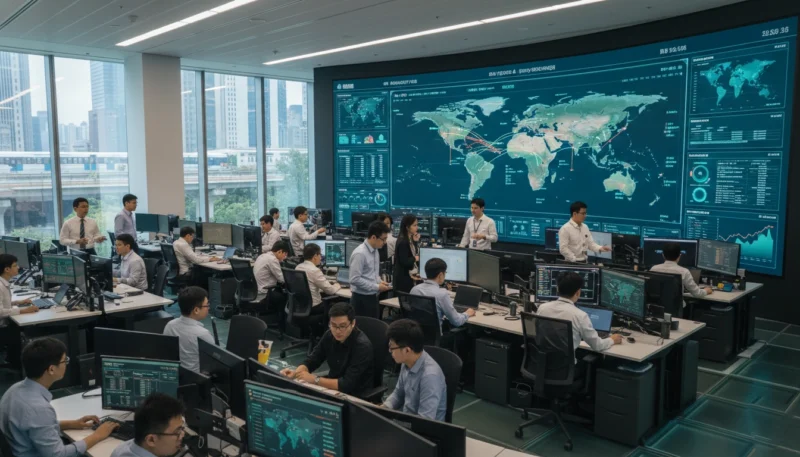
Asia’s payment systems are evolving as digital trade, real time platforms, and interconnected financial networks reshape how transactions are executed. Traditional payment infrastructure relies on sequential processing and centralized coordination. However, this approach often creates delays and limits flexibility in fast moving environments.

The Evolution of Adaptive Settlement Engines in Asia’s Data Driven Financial Networks

Asia’s financial systems are changing fast as digital trade, AI platforms, and real time data reshape how transactions move. Traditional settlement systems rely on delayed processing and manual checks. However, these methods no longer match the speed of modern financial activity. As a

The Emergence of Digital Reserve Frameworks in Asia’s Next Generation Financial Systems

Asia’s financial systems are entering a new phase as digital trade, real time payments, and cross border platforms reshape how value is stored and transferred. Traditional reserve structures, built around centralized banking systems and single currency dominance, are now facing increasing pressure. As

The Rise of Programmable Clearing Systems in Asia’s Digital Trade Networks

Asia’s digital trade environment is evolving rapidly as governments, financial institutions, and technology companies explore new ways to improve the efficiency of cross border transactions. Traditional payment and settlement systems were designed for slower economic cycles where invoices, shipping documents, and currency conversions

Programmable Trade Corridors: How China Is Embedding Digital Infrastructure into Global Supply Chains

China’s trade architecture is undergoing a structural shift in 2026 as digital infrastructure becomes embedded directly into cross border supply chains. Beyond physical ports, rail links, and logistics hubs, policymakers are prioritizing programmable settlement systems, data exchange platforms, and digitized customs procedures. The

China’s Push for Infrastructure Tokenization Signals a Shift in Urban Economic Design

China’s urban transformation has entered a new phase where infrastructure is no longer treated solely as a public utility or capital expenditure. As cities expand and digitization deepens, policymakers and technologists are exploring how physical assets can be represented, monitored, and financed through

Programmable Settlement Systems in China’s AI Economy

China’s rapid adoption of artificial intelligence has shifted attention from consumer applications toward the deeper infrastructure that allows automated systems to function reliably at scale. As AI moves into manufacturing, logistics, energy management, and financial coordination, the question is no longer whether algorithms

Startups Explore RMBT Integration to Expand the Future of Digital Wallet Systems

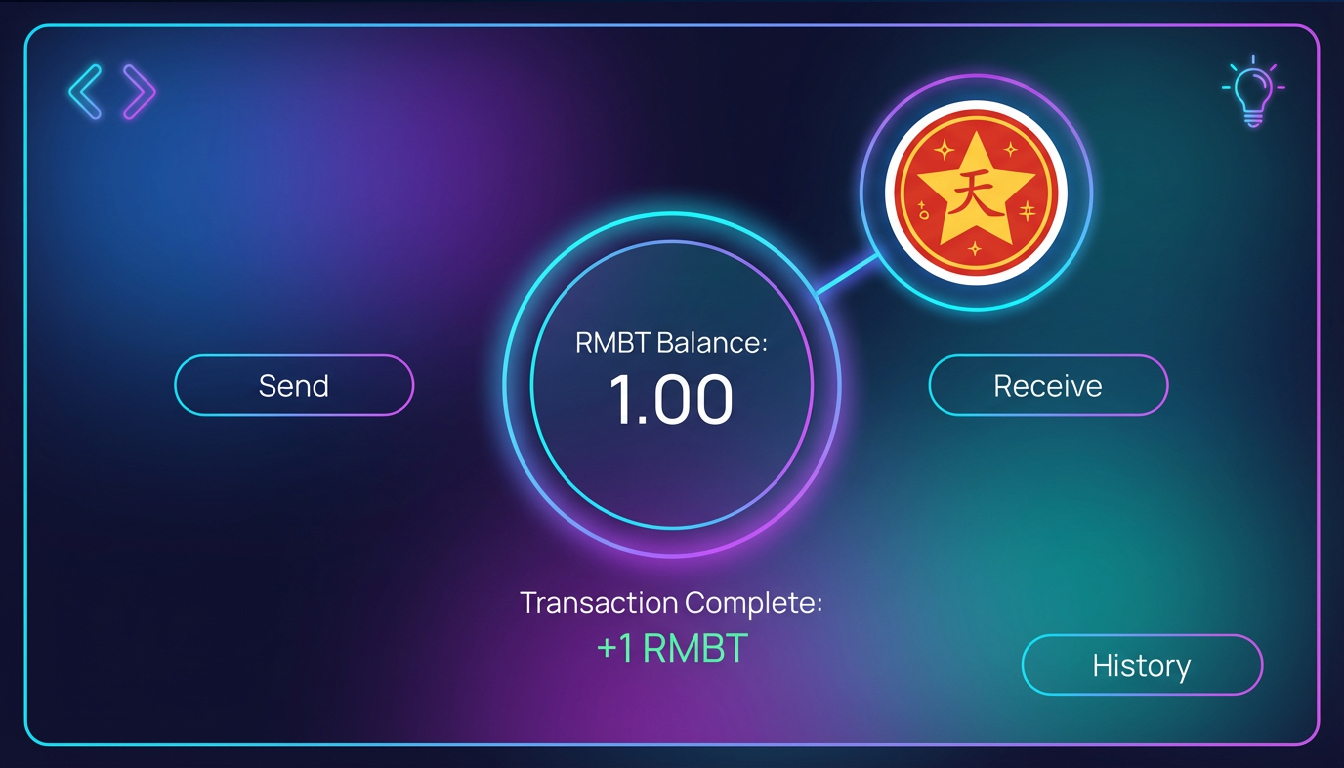
China’s startup ecosystem is entering a new stage of experimentation as young fintech companies begin integrating RMBT architecture into digital wallet systems. This development reflects growing interest in modular blockchain frameworks that support secure settlement, transparent asset flows, and flexible financial services. As