中国快讯 (China Crunch) 为中国读者提供及时的加密新闻、市场洞察和监管动态。
China’s chip supply faces helium shock risks
China semiconductor supply risks rise as Middle East conflict tightens helium availability, pressuring fabs, equipment uptime and tech output planning.


China semiconductor supply risks rise as Middle East conflict tightens helium availability, pressuring fabs, equipment uptime and tech output planning.

China has signaled it may take retaliatory action against Mexico following a formal review of tariffs imposed on a wide range of Chinese goods, intensifying tensions between the two economies. The dispute centers on import duties introduced by Mexico earlier this year, which

China’s leading lidar manufacturers are accelerating their transition into robotics, signaling a strategic pivot as the country strengthens its position in the global supply chain for next generation automation technologies. Hesai Group and RoboSense Technology, both major players in automotive sensing systems, are

China’s semiconductor industry is accelerating faster than expected as the global race to build artificial intelligence infrastructure fuels a sharp rise in demand for chips. Executives and industry participants at a major Shanghai semiconductor event highlighted that growth is being driven by the

Australia and the European Union have finalized a major trade agreement aimed at strengthening cooperation in critical minerals and reducing dependence on China’s dominant supply chains. The deal removes tariffs on nearly all Australian exports of key resources, including rare earth elements that

A proposed United States move to restrict imports of foreign made consumer routers is drawing scrutiny from analysts who warn that efforts to force supply chain onshoring may prove difficult to execute. The policy, driven by national security concerns, reflects a broader shift
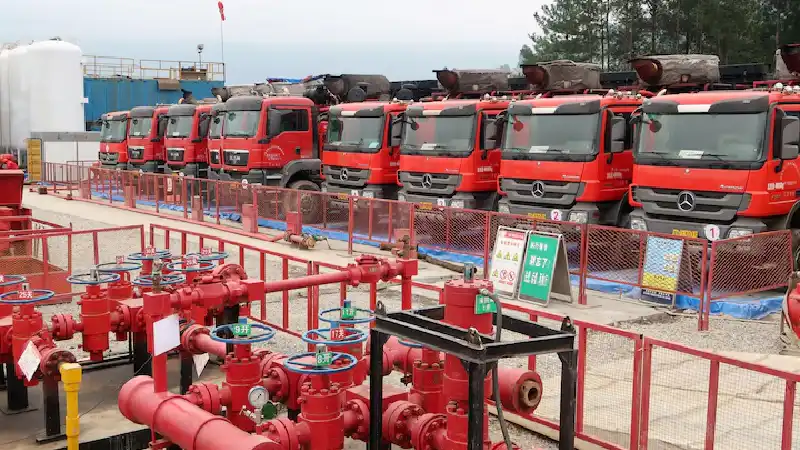
China has reached a turning point in its domestic oil production strategy after years of aggressive expansion, with output now approaching the upper limits of what is economically and technically achievable. The country recorded a peak in production last year, driven by intensified
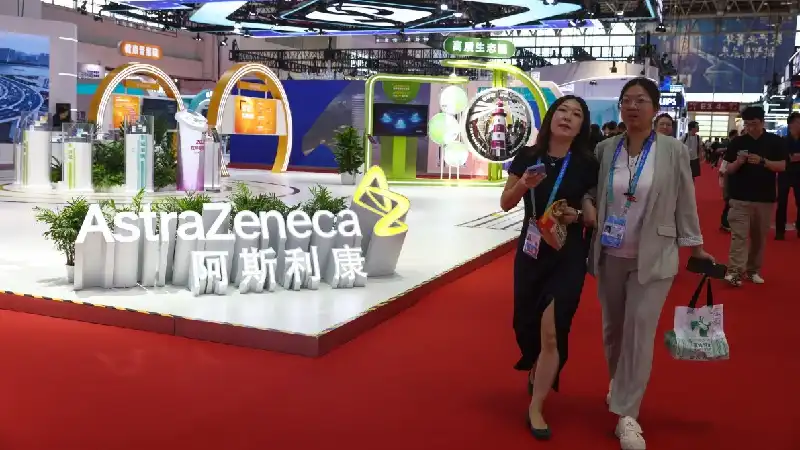
Major international pharmaceutical companies are accelerating their expansion in China, signaling a strategic shift toward localized production as global supply chains become more fragmented. AstraZeneca has announced plans to establish new drug manufacturing facilities in Guangzhou and Shanghai, alongside a dedicated innovation centre

China’s secondary memory chip market is entering a strained period marked by rising prices and fading demand, creating an uneasy environment for traders and manufacturers alike. While global supply constraints are pushing costs higher, the lack of buyer appetite is exposing deeper weaknesses
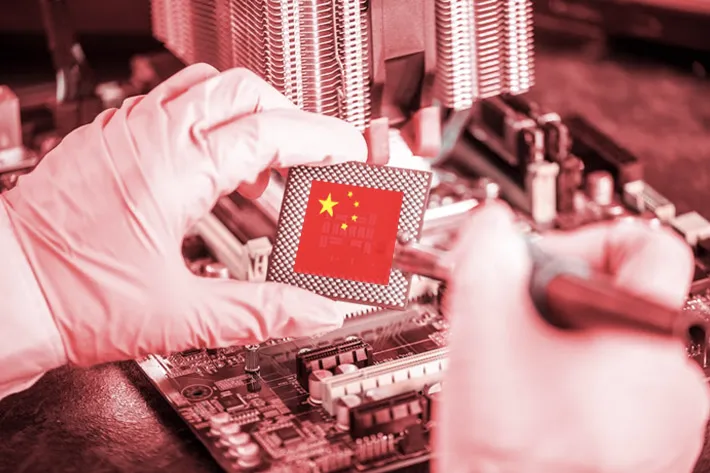
How Beijing is adapting to chip restrictions with local innovation and supply chain redesign. The Sanctions Shock In 2019, U.S. sanctions cut Chinese firms off from advanced chips and the equipment needed to make them. The move was designed to choke China’s technological

