Taipa Houses as a Window Into Macao’s Identity
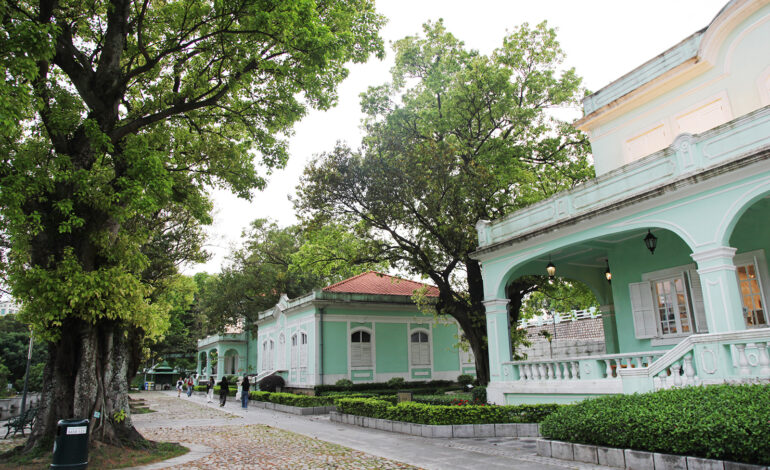
The Taipa Houses stand among Macao’s most recognizable landmarks, offering a quiet yet powerful reflection of the city’s layered cultural identity. Lined along the waterfront, these pastel colored residences showcase Portuguese style architecture that has become inseparable from Macao’s visual character. Their presence tells a story of centuries of interaction between East and West, preserved not through monuments alone but through lived spaces.
Once private homes of senior civil servants and influential families, the Taipa Houses now serve as cultural sites open to the public. Their restored interiors and carefully maintained facades invite visitors to step into a period when Macao functioned as a bridge between civilizations.
Architecture Shaped by Two Worlds
The design of the Taipa Houses reflects a blend of European aesthetics and local adaptation. Portuguese architectural elements such as arched verandas, decorative tiles, and symmetrical layouts are combined with features suited to the subtropical climate. Wide balconies, high ceilings, and open spaces allow for ventilation while maintaining elegance.
Rather than feeling imposed, the architecture feels integrated into its surroundings. The houses sit comfortably within the landscape, reflecting how Portuguese influence evolved through dialogue with local customs rather than replacing them. This balance is one of the defining characteristics of Macao’s built environment.
A Cultural Landscape of Calm and Reflection
Together with the nearby Our Lady of Carmel Church and its surrounding garden, the Taipa Houses form a peaceful cultural landscape. The church, modest in scale but rich in symbolism, adds a spiritual dimension to the area. Its white facade and simple design contrast gently with the colorful houses nearby, creating visual harmony rather than competition.
The garden connecting these landmarks offers a space for reflection. Palm trees, shaded paths, and open views of the water slow the pace of visitors, encouraging observation rather than haste. In a city often associated with bright lights and dense activity, this area provides a rare sense of calm.
Everyday Life Preserved Through Space
Inside the Taipa Houses, exhibits recreate aspects of domestic life from earlier eras. Furniture, photographs, and decorative objects offer insight into how families lived, entertained guests, and navigated cultural exchange. These details reveal that cultural fusion was not limited to public institutions but extended into daily routines.
Visitors gain an understanding of how Portuguese traditions blended with Chinese customs in food, social practices, and household organization. The houses become storytellers, illustrating how cultural coexistence was shaped through ordinary life rather than formal agreements.
Macao’s Broader Story of Cultural Fusion
The Taipa Houses are part of a wider narrative that defines Macao. For centuries, the city functioned as a meeting point for traders, missionaries, scholars, and migrants. This constant flow of people left traces in language, religion, architecture, and social customs.
Unlike cities where cultural layers are separated by districts, Macao’s influences overlap within the same spaces. A Portuguese style building may stand beside a Chinese temple, and Catholic churches coexist with traditional festivals. The Taipa Houses embody this coexistence in physical form.
Heritage in a Modern Context
As Macao continues to develop, preserving sites like the Taipa Houses carries added significance. They serve as reminders that the city’s identity is not defined solely by economic growth or entertainment industries. Cultural heritage provides continuity, grounding modern life in shared memory.
Local authorities and cultural institutions have invested in maintaining these landmarks, recognizing their value beyond tourism. They function as educational spaces, artistic venues, and symbols of collective identity.
A Quiet Expression of Macao’s Soul
The appeal of the Taipa Houses lies not in grandeur but in balance. They express Macao’s cultural fusion through proportion, color, and atmosphere. Visitors often leave with a deeper appreciation of how history can be preserved without spectacle.
In their stillness, the houses speak clearly. They remind those who walk their paths that Macao’s character was shaped through exchange, patience, and coexistence. This portrait of cultural fusion remains visible not only in architecture, but in the rhythm of the place itself.