Taiwan Opposition Leader Says Strong China Ties Can Coexist With US Relations
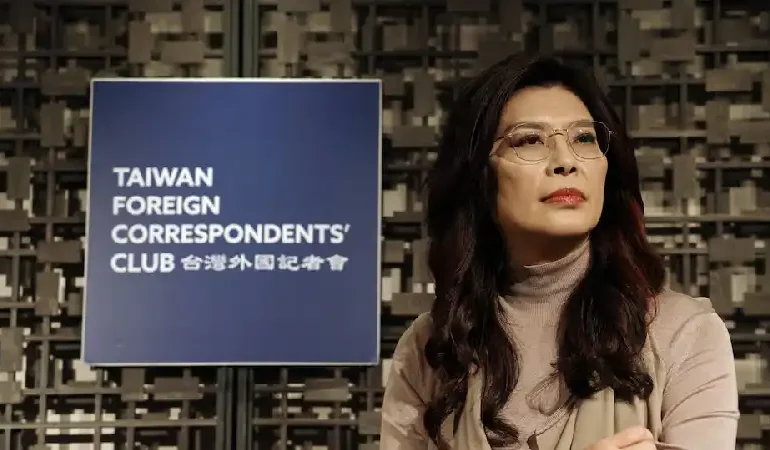
Taiwan’s opposition leadership has stated that improving relations with Beijing does not require distancing from the United States, as political debate intensifies over the island’s strategic direction. The comments come at a time of heightened cross strait tensions and growing geopolitical focus on Taiwan’s role in regional stability. The position reflects an attempt to balance economic and security interests, with leaders emphasizing that maintaining open channels with both major powers is essential for long term stability and national resilience.
The leader of Taiwan’s largest opposition party has reiterated that closer engagement with mainland China is necessary to ensure peace and reduce risks of escalation. At the same time, she emphasized continued support for defense cooperation with the United States, including arms procurement and security partnerships. This dual approach aims to position Taiwan as both economically connected to China and strategically aligned with the US, a balancing act that has become increasingly complex as tensions between Washington and Beijing continue to shape regional dynamics.
The political stance highlights a broader debate within Taiwan about how to navigate relations with two competing global powers. While the current government maintains a more cautious approach toward Beijing, opposition figures argue that dialogue and engagement are critical for preventing misunderstandings and reducing the likelihood of conflict. The discussion also reflects differing views on how Taiwan can preserve its autonomy while managing economic interdependence with China, which remains a key trading partner despite political disagreements.
China continues to view Taiwan as part of its territory and has not ruled out the use of force to achieve unification, adding pressure to the island’s political landscape. At the same time, Beijing has shown willingness to engage with opposition figures, creating a diplomatic channel that contrasts with its stance toward the current administration. This dynamic has fueled domestic political debate, with critics accusing the opposition of being too accommodating, while supporters argue that pragmatic engagement is necessary for stability.
The evolving political environment is also shaped by upcoming local elections, which are seen as an important indicator of public sentiment ahead of future national polls. Opposition parties currently hold a strong position in the legislature, giving them influence over policy decisions and budget approvals. Their approach to cross strait relations is expected to remain a central campaign issue, particularly as voters weigh economic priorities against security concerns in an increasingly uncertain regional context.
Economic considerations remain a key factor in the discussion, as stable relations with China are seen as beneficial for trade and investment flows. At the same time, maintaining strong ties with the United States is viewed as essential for security and international support. Balancing these interests requires careful policy coordination, as shifts in either direction could have significant implications for Taiwan’s economic performance and geopolitical standing.
The broader regional environment continues to add complexity to Taiwan’s strategic choices, with rising military activity and diplomatic tensions influencing policy decisions. Both Beijing and Washington are closely monitoring developments, while Taiwan’s political leaders seek to navigate a path that minimizes risk and maximizes stability. The debate over how to manage these relationships reflects the island’s unique position at the center of global geopolitical competition.
As discussions continue, the emphasis remains on maintaining peace and stability across the Taiwan Strait while preserving Taiwan’s economic and security interests. The approach advocated by opposition leaders highlights the possibility of pursuing balanced relations, even as geopolitical pressures intensify. How this strategy resonates with voters and policymakers will shape Taiwan’s future direction in an increasingly complex international environment.