
Taiwan Suspends F-16 Training After Pilot and Fighter Jet Go Missing
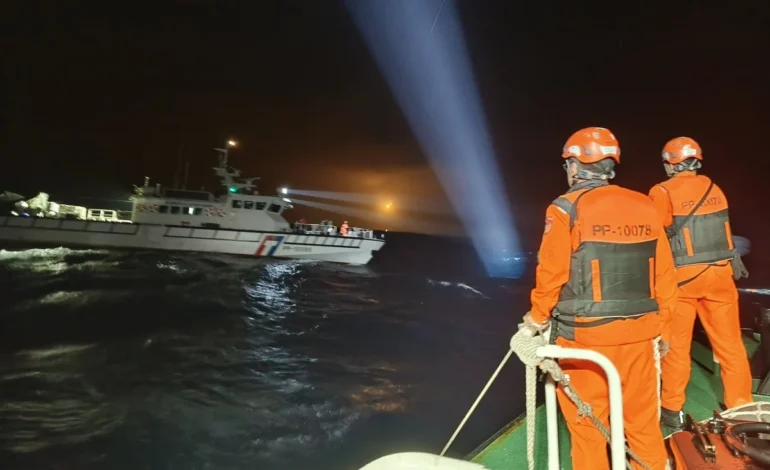
Taiwan’s air force has suspended all training missions involving its F-16 fighter jets after a pilot and aircraft went missing during a routine exercise, prompting a large scale search operation and a comprehensive safety review of the fleet.
The incident occurred during a scheduled training mission when contact was lost with an F-16 operated by the Republic of China Air Force. Initial reports indicate that the pilot may have parachuted from the aircraft before it disappeared from radar. Search and rescue teams were immediately deployed to locate the missing pilot and assess the fate of the jet.
In response, the air force ordered a temporary halt to training flights across its F-16 fleet. Officials said the pause would allow for precautionary inspections and maintenance checks to determine whether mechanical failure or other technical issues played a role. Safety reviews are standard procedure following serious aviation incidents, particularly involving frontline combat aircraft.
The missing aircraft is part of Taiwan’s extensive F-16 force, which forms the backbone of the island’s air defense capabilities. Taiwan operates a mix of older and upgraded F-16 variants, many of which have undergone modernization to enhance radar, avionics and weapons systems as part of long term efforts to strengthen deterrence.
Military authorities said search efforts are focused on the area where the aircraft was last detected. Air, sea and ground units have been mobilised, with helicopters, patrol vessels and radar assets assisting in the operation. Officials declined to comment on the pilot’s identity or experience, citing family privacy and the ongoing nature of the investigation.
The air force emphasized that training missions are conducted under strict safety protocols, but acknowledged that flying high performance jets always carries inherent risks. Any indication that the pilot ejected suggests a serious emergency may have occurred mid flight, though investigators have not yet confirmed the sequence of events.
Taiwan’s defense ministry said it would cooperate fully with technical investigators to establish the cause of the disappearance. Maintenance logs, flight data and communications records are expected to be reviewed as part of the inquiry. The ministry added that training would only resume once safety assessments are completed and risks are addressed.
The incident comes at a time of heightened military readiness for Taiwan. The island has increased the frequency and intensity of air force training in recent years as it responds to growing pressure from China, including frequent military activity near Taiwan’s airspace. F-16 fighters regularly conduct patrols, intercept missions and drills aimed at maintaining rapid response capability.
Loss of an aircraft and uncertainty surrounding a pilot’s fate can have both operational and psychological impact on an air force. Analysts note that while suspensions disrupt training schedules, they are crucial for restoring confidence among pilots and ground crews.
Past incidents involving fighter jets in the region have underscored the importance of maintenance standards and pilot training, particularly as aircraft age and operational tempo increases. Taiwan has invested heavily in upgrades and spare parts to keep its fleet mission ready, but challenges remain.
As the search continues, authorities urged the public to avoid speculation and rely on official updates. The air force said its priority remains locating the missing pilot and ensuring the safety of personnel.
The outcome of the investigation is expected to influence future training procedures and may lead to adjustments in maintenance practices. For now, the suspension of F-16 missions reflects a cautious approach as Taiwan balances operational readiness with pilot safety during a period of ongoing regional tension.



